Categories
Chlorine Dioxide

Chlorine Dioxide, Immune Signal Cascades Triggers Resolution

Every immune response begins with a signal. Not a symptom. Not inflammation. Not fatigue. A signal. Something is detected. A microbial fragment. An oxidative byproduct. A disrupted oxygen gradient. A damaged protein. An inflammatory residue not fully cleared. The body does not react randomly. It reacts to input.

Step 1: Detection

Immune receptors recognize molecular patterns.
These receptors do not distinguish between “large threat” and “persistent background irritant.” They only detect deviation.

If deviation persists, signaling persists. Low-level detection → low-level signaling. Not enough to cause acute illness. Enough to alter baseline.

Step 2: Amplification

Once detection occurs, signaling molecules are released:

Cytokines.
Chemokines.
Reactive oxygen species.
Stress mediators.

These signals recruit additional immune activity. They increase metabolic demand. They shift redox balance. They alter mitochondrial output.

Amplification is protective — if temporary. If input continues, amplification becomes sustained.

Step 3: Systemic Spillover

Persistent immune signaling does not stay local.

It influences:

  • autonomic tone
  • cortisol release
  • glucose allocation
  • oxygen consumption
  • mitochondrial respiration
  • inflammatory threshold
  • tissue repair speed

This is why small irritants can produce systemic fatigue.

The body reallocates energy toward vigilance.

Step 4: Feedback Reinforcement

Chronic signaling increases oxidative chemistry.

Oxidative chemistry increases redox instability.

Redox instability alters cellular signaling.

Altered signaling sustains immune detection sensitivity.

The chain reinforces itself.

Signal → response → chemistry → altered baseline → continued signal.

The cascade continues not because the body is malfunctioning, but because input remains.

Step 5: Resolution (When It Happens)

Resolution requires:

  • reduction of triggering input
  • clearance of inflammatory debris
  • stabilization of redox balance
  • normalization of oxygen gradients
  • restoration of mitochondrial efficiency
  • cessation of amplification signals

When input quiets, the chain unwinds.

Detection falls.
Amplification lowers.
Spillover recedes.
Baseline restores.

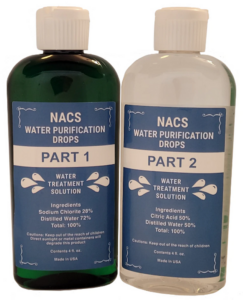
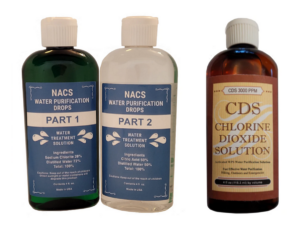
Chlorine Dioxide 2-Part Kit

Where Chlorine Dioxide Fits in the Chain

Chlorine dioxide is not an immune suppressor.

It does not block cytokines directly.
It does not override receptor signaling.
It does not sedate inflammatory chemistry.

Its proposed role in alternative terrain-based models relates primarily to upstream input modification.

If microbial burden declines, detection events decrease.
If biofilms weaken, concealed triggers reduce.
If oxidative debris lowers, false danger signals diminish.
If redox balance stabilizes, amplification thresholds normalize.

The chain shortens because the initial signal weakens.

When fewer signals begin the cascade, fewer cascades sustain.

Why This Matters for Longevity

Immune cascades are efficient when short.

They are aging when chronic.

Persistent low-grade signaling:

  • increases oxidative wear
  • reduces metabolic flexibility
  • elevates baseline inflammation
  • sustains sympathetic tone
  • slows tissue repair
  • increases cumulative biological friction

Shortening cascades reduces cumulative load.

Resolution reduces wear.

Conceptual Application (Informational Only)

Rather than asking, “How do we suppress inflammation?”

A more useful question becomes:

“What keeps triggering the first signal?”

Some approaches emphasize:

  • reducing microbial persistence
  • weakening biofilm environments
  • supporting clearance pathways
  • stabilizing redox cycling
  • improving oxygen distribution
  • lowering background irritant load

As upstream input decreases, downstream cascades soften.

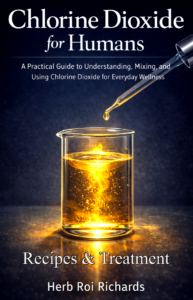
Chlorine Dioxide Book

The immune system is not the enemy. The cascade is not the enemy. The problem is unfinished signaling. When the first signal quiets, the rest of the chain often follows.

Disclaimer
This article is for informational and research purposes only. Chlorine dioxide is not approved for internal therapeutic use by regulatory agencies. Immune physiology is complex and requires professional guidance before making health-related decisions.


Categories
Chlorine Dioxide

Chlorine Dioxide, Redox Balance, and the Chemistry of Resilience

Redox balance is the ongoing exchange between oxidation and reduction, the controlled transfer of electrons that powers metabolism, immunity, detoxification, and repair. It is not the same as “oxidative stress,” though oxidative stress is what happens when the balance tips too far in one direction.

Every breath we take creates reactive oxygen species. Every immune response generates oxidative chemistry. Every metabolic reaction involves electron movement. This is not damage. This is biology.

The issue arises when oxidative signals do not resolve, when electron flow becomes disorganized, inefficient, or excessive. That’s when recovery slows, inflammation lingers, and tissues behave as if under constant low-level threat.

Case one:
A man in his late forties reports that small stressors linger too long. A minor cold turns into weeks of fatigue. A tough workout produces disproportionate soreness. Recovery feels delayed — not dramatic, just slow.

Case two:
A woman in her early fifties notices that her skin reacts unpredictably. Small irritants cause outsized redness. Sleep disruption leaves her inflamed for days. Antioxidant supplements help briefly, then plateau.

Case three:
An otherwise healthy individual develops increasing sensitivity to foods, chemicals, temperature changes, and even emotional stress. Nothing is catastrophic. Everything is amplified.

The labs, again, are mostly unremarkable, but there is a common thread: redox imbalance.

Redox imbalance is rarely caused solely by a lack of antioxidants.

More often, it reflects:

  • persistent microbial burden generating oxidative byproducts
  • biofilms trapping reactive waste
  • iron mismanagement catalyzing excess oxidation
  • mitochondrial inefficiency leaking electrons
  • disrupted oxygen gradients, altering redox signaling
  • incomplete inflammation cycles, leaving chemical residue

In these conditions, adding antioxidants is like mopping a floor while the tap is still running.

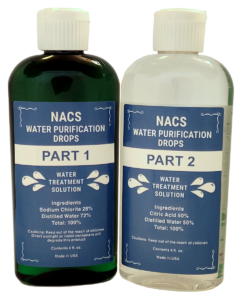
Chlorine Dioxide Kit

In alternative health discussions, chlorine dioxide is often misunderstood as simply an oxidizing agent. That label misses nuance. Its proposed relevance to redox balance lies not in “adding oxidation,” but in altering the conditions that distort redox cycling in the first place.

If                                                      then

microbial triggers decrease oxidative burden drops
biofilms weaken trapped reactive species disperse
intracellular waste clears electron flow stabilizes
inflammation resolves fully redox signals quiet
mitochondrial function improves electron leakage decreases

Redox balance is not achieved by suppressing oxidation; it is restored when oxidation and reduction return to rhythm. One of the more subtle markers of improving redox balance is resilience.

Not energy spikes, dramatic detox reactions, or sudden breakthroughs.

Instead:

  • stress that passes more quickly
  • soreness that resolves on schedule
  • skin that calms faster
  • sleep that restores more deeply
  • immune responses that complete without lingering
  • emotional stress that doesn’t inflame the body

Redox balance does not make you invincible. It makes you responsive. This is where resilience and longevity intersect.

A body that can tolerate oxidation without spiraling into chronic stress is a body that ages more slowly. A system that can generate oxidative chemistry when needed, and shut it down when finished, accumulates less micro-damage over time.

Aging accelerates when redox loops stay open. Resilience returns when they close.

Chlorine Dioxide Book

A practical perspective:

Rather than chasing antioxidant capacity endlessly, many people explore restoring redox balance by:

  • reducing ongoing oxidative triggers
  • supporting microbial load reduction
  • improving oxygen distribution
  • reopening detox pathways
  • restoring mitochondrial efficiency
  • allowing inflammatory cycles to resolve fully

When the environment stabilizes, redox chemistry often follows. Resilience is chemistry behaving properly. Not suppressed or amplified; balanced. And when that balance returns, the body tends to feel less fragile, not because it is protected from stress, but because it can process stress cleanly.

Disclaimer

This article is for informational and research purposes only. It does not diagnose, treat, cure, or prevent disease. Chlorine dioxide is not approved for internal therapeutic use by regulatory agencies. Redox biology is complex; consult qualified professionals before making health-related decisions.


Categories
Chlorine Dioxide

Chlorine Dioxide Water Purification Drops Erase Inflammation

Chronic inflammation is one of the most damaging and misunderstood drivers of disease and accelerated aging. Unlike acute inflammation, which is short-lived and protective, chronic inflammation lingers. It quietly erodes tissues, disrupts metabolism, accelerates aging, and drains energy.

What makes chronic inflammation especially difficult to resolve is that it is often not caused by injury, but by persistent internal triggers: microbial debris, biofilms, oxidative waste, iron mismanagement, toxin accumulation, and poor oxygen delivery.

Chlorine dioxide (CD/CDS) is being explored in alternative health research as a supportive upstream tool for addressing chronic inflammation, not by suppressing immune responses, but by removing the ongoing irritants that keep inflammation switched on.

This article examines how chronic inflammation becomes self-perpetuating, and how reducing its root drivers may allow the body to finally return to balance.

  1. What Is Chronic Inflammation?

Chronic inflammation is a prolonged, low-grade immune activation that persists even when there is no acute injury.

Common signs include:

      • persistent fatigue
      • joint stiffness
      • muscle aches
      • brain fog
      • digestive discomfort
      • skin issues
      • mood instability
      • poor sleep
      • frequent illness
      • slow healing
      • accelerated aging

Unlike acute inflammation, chronic inflammation does not resolve on its own; it must be disarmed by removing its triggers.

  1. Why Does Inflammation Become Chronic?

Inflammation becomes chronic when the immune system is continuously provoked by internal stressors.

Key contributors include:

    • Persistent Microbial Burden
      • Bacteria, fungi, viruses, and parasites shed inflammatory debris even at low levels.
    • Biofilms
      • `Biofilms act as reservoirs of toxins that continuously irritate tissues.
    • Oxidative Waste Accumulation
      • Uncleared metabolic waste keeps inflammatory pathways active.
    • Iron and Metal Mismanagement
      • Excess or misplaced iron catalyzes oxidative damage.
    • Gut Barrier Breakdown
      • Endotoxins leak into circulation, activating immune responses.
    • Poor Oxygenation
      • Low oxygen environments favor inflammatory metabolism.
    • Lymphatic Congestion
      • Inflammatory waste cannot be cleared efficiently.

Together, these factors create a feedback loop that keeps inflammation alive long after its original cause.

  1. Who Is Most Affected by Chronic Inflammation?

People with:

      • autoimmune-like symptoms
      • chronic pain
      • metabolic dysfunction
      • cardiovascular issues
      • neuroinflammation
      • hormonal imbalance
      • post-infection syndromes
      • environmental toxin exposure
      • mold-related illness
      • accelerated aging

Many individuals treat inflammation for years without realizing the original irritant remains present.

  1. Where Does Chlorine Dioxide Fit In?

Chlorine dioxide does not suppress inflammation directly and does not act like an anti-inflammatory drug.

Its proposed role is irritant removal:

  • Reducing Microbial Load

Fewer microbes = fewer inflammatory signals.

    • Weakening Biofilms
      • Disrupts toxin reservoirs that perpetuate immune activation.
    • Oxidizing Organic Waste
      • Breaks down inflammatory debris into simpler compounds.
    • Supporting Oxygen Balance
      • Improved oxygenation reduces inflammatory metabolism.
    • Lowering Oxidative Stress
      • Cleaner tissues generate fewer inflammatory free radicals.
    • Improving Lymphatic Clearance
      • Allows inflammatory byproducts to exit tissues.

CD helps turn off inflammation by removing what keeps turning it on.

  1. When Does Inflammation Erasure Become Possible?

True inflammation resolution often occurs:

      • after chronic infections are addressed
      • after biofilms are reduced
      • after lymphatic flow improves
      • after iron mismanagement is corrected
      • after oxidative waste is lowered
      • after detox pathways reopen

Many people report that inflammation resolves suddenly, not gradually—once the final trigger is removed.

Chlorine Dioxide Kit or CDS 3000

How Chlorine Dioxide Supports Inflammation Resolution

  1. Reducing Continuous Immune Provocation
    • Fewer irritants mean the immune system can finally stand down.
  1. Interrupting Inflammatory Feedback Loops
    • By reducing toxins, inflammation no longer fuels itself.
  1. Supporting Mitochondrial Energy Balance
    • Efficient mitochondria reduce inflammatory signaling.
  1. Improving Oxygen and Nutrient Delivery
    • Healthier tissues require less immune intervention.
  1. Supporting Gut and Barrier Integrity
    • Cleaner environments reduce endotoxin leakage.
  1. Enhancing Lymphatic Drainage
    • Inflammatory waste exits more efficiently.
  1. Reducing Oxidative Iron Reactions
    • Lower oxidative stress calms inflammatory pathways.

Inflammation “Erasure” vs Suppression

Most anti-inflammatory strategies attempt to suppress symptoms. True resolution occurs when the immune system no longer detects a threat.

When chronic triggers are removed, inflammation often:

  • drops rapidly
  • resolves deeply
  • stays resolved
  • no longer rebounds

This creates a foundation for:

  • tissue repair
  • metabolic recovery
  • improved energy
  • clearer cognition
  • slower aging


Chlorine Dioxide Book

Quick How-To Guide

  1. Identify Chronic Triggers
    • Inflammation persists only while irritants remain.
  1. Reduce Microbial and Biofilm Burden
    • Many explore CD as part of upstream cleanup.
  1. Support Drainage
    • Hydration, minerals, and movement help clear inflammatory debris.
  1. Avoid Over-Suppression
    • Blunting inflammation without removing causes delays resolution.
  1. Observe Symptom Shifts

People often notice:

      • reduced pain
      • improved energy
      • better sleep
      • calmer mood
      • clearer thinking


Disclaimer

This article is for informational and research purposes only. It does not diagnose, treat, cure, or prevent disease. Chlorine dioxide is not approved for internal therapeutic use by regulatory agencies. Chronic inflammation has many causes; consult qualified professionals before making health decisions.