Many people live with long-term health problems like diabetes, cancer, chronic fatigue, memory loss, and other conditions that seem difficult to improve. When treatments don’t bring the results they hoped for, many people naturally begin looking for other ideas and asking new questions.
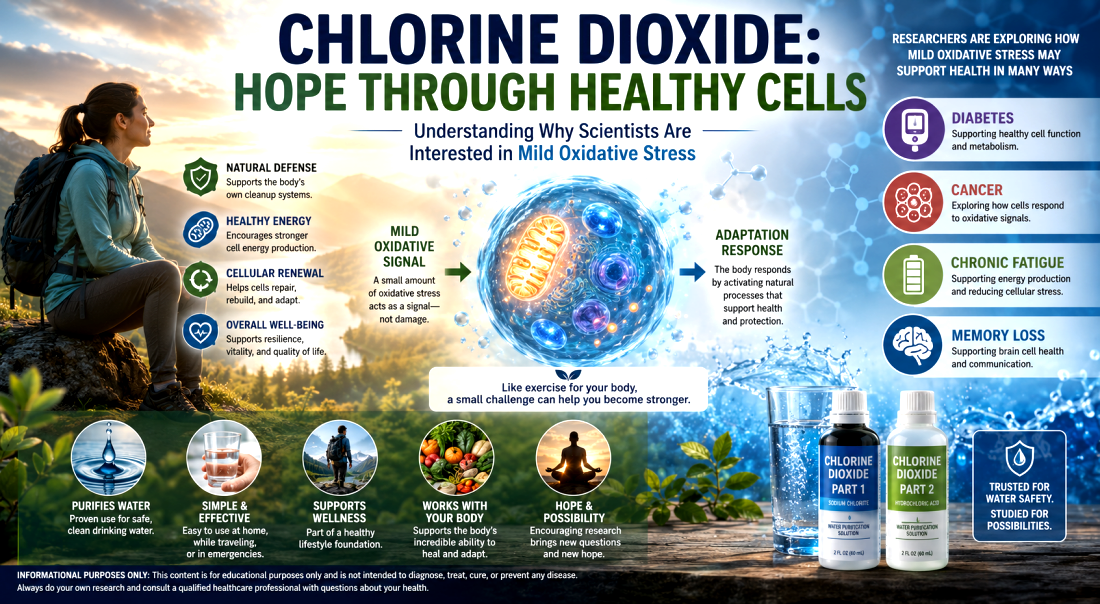
One subject that has attracted attention is chlorine dioxide.
Most people know chlorine dioxide as a way to purify drinking water. It has been used for many years to help make water safer by reducing harmful germs. But some researchers are also interested in another question: Could the same process that helps clean water also encourage the body’s own natural cleanup systems? That question is still being studied.
Your Body Is Always Working
Your body is constantly repairing itself. Every day it replaces old cells, removes waste, and makes new energy. Most of this happens without us ever thinking about it.
Sometimes, however, these natural systems don’t work as well as they once did. As we get older, or after years of stress, poor diet, illness, or exposure to harmful substances, our bodies may not clean up and repair themselves as efficiently.
Scientists continue to study ways to support these natural processes.
Sometimes a Small Challenge Makes Us Stronger
Think about exercise. When you lift weights or go for a brisk walk, your muscles are challenged. At first they become tired. Then something amazing happens. Your body responds by becoming stronger.
The same idea appears in many parts of nature. A small challenge can sometimes encourage living things to adapt and become more resilient.
Some scientists believe that very small amounts of oxidation may act in a similar way inside the body by encouraging normal repair and maintenance systems.
This idea is an active area of research.
The Body Has Its Own Cleanup Crew
Our cells have ways of cleaning house. They can break down worn-out parts, recycle useful materials, and replace damaged pieces with new ones. This helps cells stay healthy and continue doing their jobs.
Researchers are studying whether mild oxidative signals may encourage these natural cleanup systems to work more efficiently.
The goal isn’t to damage the body. The goal is to understand how the body responds to small challenges by protecting and renewing itself.
Healthy Energy Matters
Inside almost every cell are tiny structures that produce energy. When these energy centers work well, cells have the power they need to perform their jobs.
Scientists have found that supporting healthy energy production is important for many parts of the body, including the brain, muscles, heart, and immune system.
Researchers continue exploring how different lifestyle choices—and possibly certain types of mild cellular stress—may influence these natural processes.
More Questions Than Answers
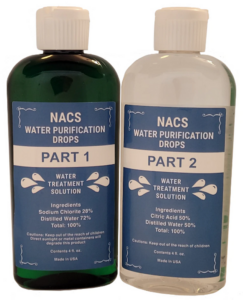
Many people have shared personal stories describing improvements after using chlorine dioxide. These stories are interesting because they raise questions worth studying.
However, personal experiences cannot tell us whether chlorine dioxide caused those improvements. Many things can affect health, including diet, exercise, medications, stress, sleep, and the natural course of an illness.
That is why scientists perform carefully designed studies before reaching conclusions.
Why Research Matters
Nearly every major medical discovery began with someone asking a question. Observation comes first. Research follows.
Then careful testing helps determine what is true, what is partly true, and what simply appeared promising at first.
That same process should be used whenever new health ideas are explored.

Hope is important. Curiosity is important. Good science is important.
People facing difficult health challenges deserve honest information, compassionate support, and continued scientific research into ideas that may improve health and quality of life.
Whether future research confirms or challenges today’s ideas, asking thoughtful questions is how better answers are found.
Informational Notice
This article is provided for educational and informational purposes only. It is not medical advice and should not be used to diagnose, treat, cure, or prevent any disease. Chlorine dioxide has established uses in water purification, but its use for human diseases has not been established through high-quality clinical evidence. If you are interested in this topic, read broadly, evaluate the available research, discuss questions with qualified healthcare professionals, and draw your own informed conclusions.