Categories
Chlorine Dioxide

Sciatica – Nerve Irritation, Structural Pressure, and the Search for Relief

Sciatica is one of those conditions that can range from mildly irritating to completely life-disrupting. For some people, it appears as an occasional ache running down the leg. For others, it becomes a sharp, burning, or electric-type pain that affects standing, walking, sleeping, and even simple daily movement.

What makes sciatica unique is that the pain is often felt far away from where the irritation actually begins.

The condition generally involves irritation, compression, or inflammation affecting the sciatic nerve, the large nerve pathway that travels from the lower back through the hips and down each leg. The pain itself is often only part of the story.

What Commonly Contributes to Sciatica

Sciatica is not usually considered a condition by itself, but rather a pattern resulting from pressure, irritation, or inflammation around the nerve pathway.

Common contributors may include:

  • disc bulging or herniation
  • spinal narrowing or degeneration
  • muscle tightness, especially involving the piriformis region
  • inflammation surrounding nerve tissues
  • postural imbalance or repetitive strain
  • injury or compression patterns in the lower back and hips

Some cases appear suddenly. Others develop slowly over time.

Common Symptoms

People experiencing sciatica often describe:

  • sharp pain radiating from the lower back into the leg
  • burning or electric sensations
  • numbness or tingling
  • weakness in parts of the leg or foot
  • pain that worsens with sitting or certain movements
  • discomfort that shifts depending on posture or activity

One of the more frustrating aspects is inconsistency.

Some days may feel manageable. Other days, the nerve becomes highly reactive, making even small movements uncomfortable.

What the Body Appears to Be Doing

From a systems perspective, sciatica often reflects a combination of:

  • mechanical pressure
  • inflammatory signaling
  • muscular compensation
  • nerve sensitivity

When tissue surrounding a nerve becomes irritated, the body responds protectively. Muscles tighten. Inflammation increases. Movement patterns change.

Unfortunately, these protective responses can sometimes create additional pressure or imbalance, prolonging the cycle.

Over time, the body may become locked into a pattern of:

  • guarding
  • compensation
  • incomplete recovery

The Role of Inflammation and Recovery

In many cases, inflammation appears to play a meaningful role in how intense sciatic symptoms become.

A nerve under pressure may become even more reactive when surrounding tissues are inflamed.

This is one reason symptoms may fluctuate depending on:

  • activity level
  • hydration
  • stress
  • sleep quality
  • overall systemic inflammation

For some individuals, reducing overall burden within the body appears just as important as addressing structural pressure itself.

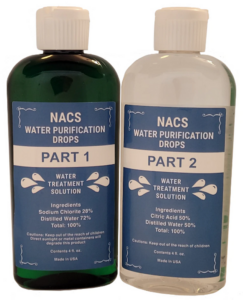
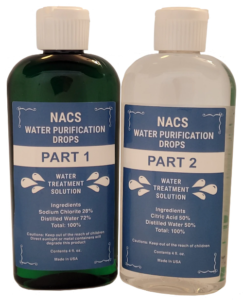
2-Part Chlorine Dioxide Kit

Alternative Discussions and Chlorine Dioxide

In alternative health circles, chlorine dioxide is discussed in relation to broader patterns involving:

  • inflammation
  • tissue irritation
  • microbial burden
  • oxidative balance
  • recovery and internal environmental stress

Many individuals with sciatica report exploring chlorine dioxide while paying attention to changes in:

  • overall inflammation patterns
  • muscle tension and stiffness
  • recovery between flare-ups
  • mobility and comfort over time

reporting significant changes and improvements. These experiences are anecdotal and vary widely from person to person.

Why Experiences Differ

One reason experiences vary so much is that sciatica itself can arise from very different underlying causes.

A person dealing with:

  • structural disc compression
    may have a very different experience from someone dealing primarily with:
  • inflammatory irritation or muscular impingement

This makes “one-size-fits-all” explanations difficult.

It also explains why people often explore multiple approaches simultaneously, including:

  • stretching and movement work
  • massage or bodywork
  • hydration and nutrition changes
  • anti-inflammatory strategies
  • heat, cold, or supportive therapies

In many cases, people are not looking for a single magic answer. They are trying to reduce enough burden that the body can regain balance.

The Question of Movement

One thing that repeatedly appears in discussions around sciatica is movement. Too much movement can aggravate symptoms. Too little movement can increase stiffness and compensation.

Many people eventually find that gentle, consistent mobility tends to support recovery better than extremes in either direction.

The body often responds best to:

  • gradual adjustment
  • patience
  • reduced irritation over time

rather than aggressive force.

A Balanced Perspective

Conventional medicine often approaches sciatica through:

  • imaging and structural evaluation
  • physical therapy
  • anti-inflammatory medications
  • injections or surgical intervention in severe cases

Alternative perspectives may place more emphasis on:

  • systemic inflammation
  • tissue environment
  • recovery capacity
  • whole-body balance

Both frameworks are attempting to understand the same reality from different angles.

Chlorine Dioxide for Humans Book

Sciatica has a way of teaching people how interconnected the body really is. A small point of irritation in one place can affect movement, sleep, energy, posture, and emotional resilience throughout the entire system. For that reason, many people end up exploring more than one path.

Some focus on structure. Some focus on inflammation. Some focus on the body’s overall environment and recovery capacity.

In the end, the most useful approach is often not the loudest one, but the one that helps reduce burden while allowing the body to regain balance over time.


Important Note

This article is for informational purposes only. Sciatica and nerve-related pain can have multiple underlying causes requiring professional evaluation. Chlorine dioxide is not approved for internal therapeutic use by regulatory agencies. Health decisions should be made in consultation with qualified professionals.


Categories
Chlorine Dioxide

Chlorine Dioxide Influenza, Pneumonia and Respiratory Health

Influenza and pneumonia are often grouped together in conversation, but they are not the same condition. Influenza is typically a fast-moving, system-wide response. The body reacts quickly, often with fever, fatigue, muscle aches, and respiratory irritation. In many cases, it is intense but short-lived. Pneumonia tends to involve deeper engagement of the lungs. It is less about speed and more about burden—fluid, inflammatory material, and reduced efficiency in oxygen exchange. The system is working harder just to maintain basic function.

In both cases, what stands out is not only the presence of a pathogen, but the condition of the environment in which the body is responding.

Common Observations

People often describe:

  • elevated temperature or fever
  • persistent fatigue or low energy
  • congestion or pressure in the chest
  • coughing, sometimes productive
  • shortness of breath in more advanced cases
  • a feeling that recovery is uneven or incomplete

In influenza, the body tends to surge and then settle.

In pneumonia, the system may feel as though it is carrying weight for a longer period of time.

What the Body Appears to Be Doing

From a systems perspective, the body is engaged in several processes at once:

  • identifying and responding to microbial presence
  • increasing fluid and immune activity in the lungs
  • managing oxidative chemistry as part of the response
  • attempting to maintain oxygen exchange under load
  • allocating energy toward defense rather than repair

When everything lines up, the system moves through these phases and resolves.

When something lingers—whether debris, fluid, or low-level irritation—the process can extend.

2-Part Chlorine Dioxide Kit

Field Perspective on Chlorine Dioxide

In some circles, chlorine dioxide has been discussed in relation to internal environmental conditions, particularly where there is concern about persistent microbial activity or incomplete resolution.

It is not generally framed, in these discussions, as something that forces the body to respond. Rather, it is often described in terms of how it may influence what remains in the system after an initial response has already begun.

Some individuals report that, when exploring chlorine dioxide in a cautious and measured way, they are paying attention to:

  • how quickly their system seems to move from active response toward resolution
  • whether congestion begins to feel lighter or less persistent over time
  • how their energy returns after the acute phase
  • whether recovery feels more complete rather than partial

These are observations, not conclusions.

Different people approach this from different angles, and there is no single pattern that applies to everyone.

Variation in Approach

One thing that becomes clear quickly is that there are many different viewpoints.

Some people take a very structured approach.
Others take a more observational path.
Some focus on timing.
Others focus on environmental factors.

What tends to matter most, from a practical standpoint, is not the method itself, but the awareness brought to the process.

Those who approach cautiously often describe:

  • starting with very small exposures
  • observing how the body responds before changing anything
  • allowing time between adjustments
  • paying attention to overall patterns rather than isolated reactions

There is no single “correct” approach that applies universally.

There is, however, a difference between measured observation and forcing outcomes.

Supportive Considerations Often Noted

Alongside any exploration, people frequently mention simple, foundational supports:

  • maintaining hydration
  • allowing adequate rest
  • supporting clear breathing environments
  • giving the body time to complete its response

These may seem basic, but they often influence how efficiently the system moves through its phases.

A Note on Perspective

Respiratory conditions can range from mild to serious.

Influenza may pass quickly for some and linger for others.
Pneumonia, in particular, can become severe and should not be taken lightly.

Regardless of the approach someone chooses to explore, it is important to recognize when additional medical evaluation is appropriate.

Chlorine Dioxide for Humans Book

In working with the body, one begins to see that recovery is rarely about a single action.

It is about how the system moves through a sequence:

  • activation
  • response
  • clearing
  • restoration

Some people explore chlorine dioxide within that sequence, not as a replacement for it, but as something they believe may influence the environment in which that sequence unfolds.

The key, as always, is attention.

Not just to what is done, but to how the body responds over time.


Important Note

This material is presented for informational purposes only. Influenza and pneumonia can be serious conditions that require appropriate medical care. Chlorine dioxide is not approved for internal therapeutic use by regulatory agencies. Decisions regarding health should be made in consultation with qualified professionals.


Categories
Chlorine Dioxide

How the Body Reallocates Energy Under Stress Chlorine Dioxide and Adaptive Trade-Offs

Biological systems rarely fail suddenly. More often, they adjust. When the body encounters persistent stress, whether microbial, metabolic, inflammatory, or environmental, it does not immediately collapse. Instead, it begins reallocating resources to maintain short-term stability. This process is known as adaptive trade-off.

The body shifts energy, nutrients, and signaling priorities from one function to another. In the short term, these adjustments are protective. Over time, however, repeated trade-offs can slowly reshape how the body operates.

Understanding these trade-offs helps explain why chronic stressors—especially subtle, persistent ones—can influence energy, immunity, and longevity.

The Economy of Cellular Energy

Every cell operates within a metabolic budget.

Energy generated by mitochondria must support a wide range of biological processes, including:

    • immune surveillance
    • tissue repair
    • detoxification and waste clearance
    • hormone production
    • neurological signaling
    • physical movement
    • temperature regulation

When conditions are stable, energy allocation is balanced across these systems. Repair cycles complete efficiently, immune responses resolve, and metabolic activity remains flexible.

However, when the body detects ongoing disturbance, priorities shift.

When Defense Takes Priority

Persistent irritants, such as microbial fragments, inflammatory signals, or oxidative imbalance, can activate low-level immune vigilance.

Even when symptoms are mild, the immune system may remain partially engaged.

Maintaining this readiness requires resources. Immune cells increase metabolic demand, produce signaling molecules, and sustain inflammatory surveillance across tissues.

As a result, energy that would normally support restoration and regeneration becomes redirected toward defense.

This trade-off is subtle but meaningful.

Over time, it may manifest as:

    • slower recovery from exertion
    • lingering fatigue after illness
    • delayed tissue repair
    • fluctuating metabolic performance
    • reduced stress tolerance

None of these symptoms necessarily indicate catastrophic dysfunction. Instead, they often reflect a system operating under reallocated priorities.

The Mitochondrial Adjustment

Mitochondria play a central role in managing adaptive trade-offs.

When immune signaling increases, mitochondria shift toward supporting defensive chemistry. This includes increased production of reactive oxygen species and altered electron transport dynamics.

While these changes help neutralize perceived threats, they can also elevate oxidative pressure inside cells.

If this defensive state persists, mitochondrial efficiency may gradually decline. More energy becomes necessary to produce the same physiological output.

In this way, the body maintains stability—but at a higher energetic cost.

The Role of Redox Balance

Redox chemistry acts as a communication network between cellular systems.

When oxidative signals rise, they inform the immune system that increased vigilance may be necessary. When those signals resolve, normal metabolic activity resumes.

However, when oxidative residue or microbial irritants remain present, redox signals may stay elevated.

This prolongs the defensive trade-off.

Repair pathways slow, metabolic flexibility narrows, and baseline inflammation may remain slightly increased.

Chlorine Dioxide Kit (L) CDS 3000 (R)

Chlorine Dioxide

Within terrain-oriented discussions, chlorine dioxide is not typically described as enhancing energy production directly.

Instead, its relevance is considered upstream.

If microbial persistence decreases, immune vigilance may decline.
If biofilm environments weaken, hidden irritants may lose stability.
If oxidative residue lowers, redox signals may normalize.
If inflammatory loops complete more efficiently, metabolic allocation can rebalance.

By reducing persistent background disturbances, the body may gradually shift away from defense-heavy energy allocation.

The goal is not to stimulate metabolism artificially.

It is to remove factors that keep the system in defensive mode.

Longevity and the Cost of Trade-Offs

Adaptive trade-offs are useful in the short term.

They allow the body to respond quickly to threats and maintain survival under changing conditions.

However, when these adjustments persist for months or years, they may gradually narrow biological margin.

Repair slows.
Inflammation lingers.
Energy efficiency declines.
Resilience becomes less predictable.

Longevity depends not only on responding to stress, but on returning fully to baseline afterward.

Reducing persistent disturbances allows biological priorities to rebalance.

Informational Orientation

Approaches aimed at reducing chronic defensive trade-offs often emphasize:

    • lowering persistent microbial burden
    • weakening biofilm-protected irritants
    • stabilizing redox chemistry
    • supporting oxygen diffusion
    • improving intracellular clearance pathways

As background stressors decline, the body may redirect energy toward restoration rather than continuous vigilance.

Chlorine Dioxide for Humans Book

The body constantly negotiates trade-offs.

In moments of danger, defense takes precedence over repair. But when the threat fades, recovery must reclaim its place.

When underlying interference declines, the biological economy shifts again.

Energy once spent on vigilance becomes available for renewal.

And in that quiet rebalancing, resilience begins to return.

Disclaimer:
This article is for informational and research purposes only. Chlorine dioxide is not approved for internal therapeutic use by regulatory agencies. Immune and metabolic processes are complex and should be evaluated with appropriate professional guidance.


Categories
Chlorine Dioxide

Chlorine Dioxide, Immune Signal Cascades Triggers Resolution

Every immune response begins with a signal. Not a symptom. Not inflammation. Not fatigue. A signal. Something is detected. A microbial fragment. An oxidative byproduct. A disrupted oxygen gradient. A damaged protein. An inflammatory residue not fully cleared. The body does not react randomly. It reacts to input.

Step 1: Detection

Immune receptors recognize molecular patterns.
These receptors do not distinguish between “large threat” and “persistent background irritant.” They only detect deviation.

If deviation persists, signaling persists. Low-level detection → low-level signaling. Not enough to cause acute illness. Enough to alter baseline.

Step 2: Amplification

Once detection occurs, signaling molecules are released:

Cytokines.
Chemokines.
Reactive oxygen species.
Stress mediators.

These signals recruit additional immune activity. They increase metabolic demand. They shift redox balance. They alter mitochondrial output.

Amplification is protective — if temporary. If input continues, amplification becomes sustained.

Step 3: Systemic Spillover

Persistent immune signaling does not stay local.

It influences:

  • autonomic tone
  • cortisol release
  • glucose allocation
  • oxygen consumption
  • mitochondrial respiration
  • inflammatory threshold
  • tissue repair speed

This is why small irritants can produce systemic fatigue.

The body reallocates energy toward vigilance.

Step 4: Feedback Reinforcement

Chronic signaling increases oxidative chemistry.

Oxidative chemistry increases redox instability.

Redox instability alters cellular signaling.

Altered signaling sustains immune detection sensitivity.

The chain reinforces itself.

Signal → response → chemistry → altered baseline → continued signal.

The cascade continues not because the body is malfunctioning, but because input remains.

Step 5: Resolution (When It Happens)

Resolution requires:

  • reduction of triggering input
  • clearance of inflammatory debris
  • stabilization of redox balance
  • normalization of oxygen gradients
  • restoration of mitochondrial efficiency
  • cessation of amplification signals

When input quiets, the chain unwinds.

Detection falls.
Amplification lowers.
Spillover recedes.
Baseline restores.

Chlorine Dioxide 2-Part Kit

Where Chlorine Dioxide Fits in the Chain

Chlorine dioxide is not an immune suppressor.

It does not block cytokines directly.
It does not override receptor signaling.
It does not sedate inflammatory chemistry.

Its proposed role in alternative terrain-based models relates primarily to upstream input modification.

If microbial burden declines, detection events decrease.
If biofilms weaken, concealed triggers reduce.
If oxidative debris lowers, false danger signals diminish.
If redox balance stabilizes, amplification thresholds normalize.

The chain shortens because the initial signal weakens.

When fewer signals begin the cascade, fewer cascades sustain.

Why This Matters for Longevity

Immune cascades are efficient when short.

They are aging when chronic.

Persistent low-grade signaling:

  • increases oxidative wear
  • reduces metabolic flexibility
  • elevates baseline inflammation
  • sustains sympathetic tone
  • slows tissue repair
  • increases cumulative biological friction

Shortening cascades reduces cumulative load.

Resolution reduces wear.

Conceptual Application (Informational Only)

Rather than asking, “How do we suppress inflammation?”

A more useful question becomes:

“What keeps triggering the first signal?”

Some approaches emphasize:

  • reducing microbial persistence
  • weakening biofilm environments
  • supporting clearance pathways
  • stabilizing redox cycling
  • improving oxygen distribution
  • lowering background irritant load

As upstream input decreases, downstream cascades soften.

Chlorine Dioxide for Humans

The immune system is not the enemy. The cascade is not the enemy. The problem is unfinished signaling. When the first signal quiets, the rest of the chain often follows.

Disclaimer
This article is for informational and research purposes only. Chlorine dioxide is not approved for internal therapeutic use by regulatory agencies. Immune physiology is complex and requires professional guidance before making health-related decisions.


Categories
Chlorine Dioxide

Chlorine Dioxide, Redox Balance, and the Chemistry of Resilience

Redox balance is the ongoing exchange between oxidation and reduction, the controlled transfer of electrons that powers metabolism, immunity, detoxification, and repair. It is not the same as “oxidative stress,” though oxidative stress is what happens when the balance tips too far in one direction.

Every breath we take creates reactive oxygen species. Every immune response generates oxidative chemistry. Every metabolic reaction involves electron movement. This is not damage. This is biology.

The issue arises when oxidative signals do not resolve, when electron flow becomes disorganized, inefficient, or excessive. That’s when recovery slows, inflammation lingers, and tissues behave as if under constant low-level threat.

Case one:
A man in his late forties reports that small stressors linger too long. A minor cold turns into weeks of fatigue. A tough workout produces disproportionate soreness. Recovery feels delayed — not dramatic, just slow.

Case two:
A woman in her early fifties notices that her skin reacts unpredictably. Small irritants cause outsized redness. Sleep disruption leaves her inflamed for days. Antioxidant supplements help briefly, then plateau.

Case three:
An otherwise healthy individual develops increasing sensitivity to foods, chemicals, temperature changes, and even emotional stress. Nothing is catastrophic. Everything is amplified.

The labs, again, are mostly unremarkable, but there is a common thread: redox imbalance.

Redox imbalance is rarely caused solely by a lack of antioxidants.

More often, it reflects:

  • persistent microbial burden generating oxidative byproducts
  • biofilms trapping reactive waste
  • iron mismanagement catalyzing excess oxidation
  • mitochondrial inefficiency leaking electrons
  • disrupted oxygen gradients, altering redox signaling
  • incomplete inflammation cycles, leaving chemical residue

In these conditions, adding antioxidants is like mopping a floor while the tap is still running.

Chlorine Dioxide Kit

In alternative health discussions, chlorine dioxide is often misunderstood as simply an oxidizing agent. That label misses nuance. Its proposed relevance to redox balance lies not in “adding oxidation,” but in altering the conditions that distort redox cycling in the first place.

If                                                      then

microbial triggers decrease oxidative burden drops
biofilms weaken trapped reactive species disperse
intracellular waste clears electron flow stabilizes
inflammation resolves fully redox signals quiet
mitochondrial function improves electron leakage decreases

Redox balance is not achieved by suppressing oxidation; it is restored when oxidation and reduction return to rhythm. One of the more subtle markers of improving redox balance is resilience.

Not energy spikes, dramatic detox reactions, or sudden breakthroughs.

Instead:

  • stress that passes more quickly
  • soreness that resolves on schedule
  • skin that calms faster
  • sleep that restores more deeply
  • immune responses that complete without lingering
  • emotional stress that doesn’t inflame the body

Redox balance does not make you invincible. It makes you responsive. This is where resilience and longevity intersect.

A body that can tolerate oxidation without spiraling into chronic stress is a body that ages more slowly. A system that can generate oxidative chemistry when needed, and shut it down when finished, accumulates less micro-damage over time.

Aging accelerates when redox loops stay open. Resilience returns when they close.

Chlorine Dioxide for Humans Book

A practical perspective:

Rather than chasing antioxidant capacity endlessly, many people explore restoring redox balance by:

  • reducing ongoing oxidative triggers
  • supporting microbial load reduction
  • improving oxygen distribution
  • reopening detox pathways
  • restoring mitochondrial efficiency
  • allowing inflammatory cycles to resolve fully

When the environment stabilizes, redox chemistry often follows. Resilience is chemistry behaving properly. Not suppressed or amplified; balanced. And when that balance returns, the body tends to feel less fragile, not because it is protected from stress, but because it can process stress cleanly.

Disclaimer

This article is for informational and research purposes only. It does not diagnose, treat, cure, or prevent disease. Chlorine dioxide is not approved for internal therapeutic use by regulatory agencies. Redox biology is complex; consult qualified professionals before making health-related decisions.


Categories
Chlorine Dioxide

Chlorine Dioxide and Cellular Communication Restoration

Health depends on communication. Every cell in the body constantly exchanges signals, chemical, electrical, mechanical, and metabolic, that coordinate growth, repair, immunity, energy production, and adaptation. When communication is clear, the body behaves like an intelligent system. When communication is distorted, systems fall out of sync.

Many chronic conditions are not the result of missing nutrients or broken organs, but of communication failure at the cellular level. Inflammation, microbial debris, biofilms, oxidative waste, poor oxygen delivery, and extracellular congestion all interfere with how cells send, receive, and interpret signals.

Chlorine dioxide (CD/CDS) is being explored in alternative health research as a supportive upstream intervention for restoring cellular communication, not by forcing signaling, but by removing the noise that prevents signals from being transmitted accurately.

This article explores why cellular miscommunication underlies many chronic symptoms, and how restoring signal clarity may allow systems to self-correct.

  1. What Is Cellular Communication?

Cellular communication is the coordinated exchange of information that allows cells to:

    • respond to stress
    • regulate inflammation
    • manage energy production
    • coordinate immune responses
    • maintain tissue structure
    • adapt to environmental changes
    • initiate repair or regeneration

Key communication channels include:

    • cytokines and signaling molecules
    • electrical gradients and membrane potentials
    • ion channels
    • receptor–ligand interactions
    • extracellular matrix signaling
    • metabolic feedback loops

When these channels function properly, the body maintains balance. When they are disrupted, confusion spreads system-wide.

  1. Why Does Cellular Communication Break Down?

Cells do not stop communicating—they communicate poorly when interference accumulates.

Primary disruptors include:

    • Chronic Inflammation: Inflammatory signals drown out regulatory messages.
    • Microbial Byproducts: Toxins distort receptor sensitivity and signal interpretation.
    • Biofilms: Biofilms physically and chemically block signal diffusion.
    • Oxidative Waste: Excess debris interferes with receptor function.
    • Poor Oxygenation: Low oxygen alters metabolic signaling priorities.
    • Extracellular Matrix Congestion: A stiff, acidic matrix disrupts mechanical and chemical cues.
    • Mitochondrial Inefficiency: Energy scarcity limits signal processing.

When this interference persists, cells act independently instead of cooperatively.

  1. Who Is Most Affected by Cellular Miscommunication?

Individuals experiencing:

    • chronic inflammation
    • autoimmune-like symptoms
    • fatigue without clear cause
    • hormonal imbalance
    • poor recovery from stress
    • cognitive fog
    • digestive dysregulation
    • chronic pain
    • slow healing
    • accelerated aging

These symptoms often reflect signal distortion, not structural damage.

  1. Where Does Chlorine Dioxide Fit In?

Chlorine dioxide does not act as a signaling molecule and does not stimulate receptors directly.

Its proposed role is signal environment cleanup:

    • Reducing Microbial Signal Interference: Fewer toxins means clearer receptor input.
    • Weakening Biofilms: Improves diffusion of chemical and electrical signals.
    • Lowering Inflammatory Background Noise: Allows regulatory signals to be detected again.
    • Supporting Oxygen Balance: Restores proper metabolic signaling priorities.
    • Cleaning the Extracellular Matrix: Improves mechanical and biochemical communication.
    • Supporting Mitochondrial Recovery: Energy availability improves signal processing.

CD helps restore communication by quieting the static on the line.

  1. When Does Cellular Communication Begin to Restore?

Signal clarity often returns:

    • after inflammation subsides
    • after microbial load decreases
    • after intracellular waste clearance improves
    • after mitochondrial efficiency increases
    • after lymphatic flow resumes
    • after oxygen delivery stabilizes

Many people experience nonlinear improvement—multiple systems begin improving simultaneously once communication normalizes.

Chlorine Dioxide – CDS 3000

How Chlorine Dioxide May Support Cellular Communication Restoration

  1. Reducing Signal Distortion: Lower toxin levels improve receptor accuracy.
  1. Improving Signal-to-Noise Ratio: Regulatory signals become detectable again.
  1. Restoring Electrical Gradients: Cleaner membranes support proper ion flow.
  1. Supporting Metabolic Feedback Loops: Cells can respond appropriately to nutrient and energy cues.
  1. Improving Tissue Coordination: Cells act cooperatively rather than defensively.
  1. Supporting Immune Resolution Signals: Clearer communication allows inflammation to resolve.
  1. Enhancing Regenerative Messaging: Repair instructions propagate more effectively.

Why Communication Restoration Changes Everything

When cellular communication improves, symptoms often resolve in unexpected clusters:

  • inflammation declines
  • energy stabilizes
  • digestion improves
  • cognition sharpens
  • sleep deepens
  • mood calms
  • healing accelerates

This is because communication governs coordination, and coordination governs health.

Rather than chasing symptoms system by system, restoring communication allows the body to self-organize back toward balance.

Chlorine Dioxide for Humans Book

Quick How-To Guide

  1. Reduce Interference First: Signal clarity follows cleanup, not stimulation.
  1. Support Oxygen and Energy: Communication is energy-dependent.
  1. Hydration and Minerals: Ion signaling requires fluid balance.
  1. Support Lymphatic Flow: Signals must travel through clean pathways.
  1. Observe System-Wide Shifts: Signs of restored communication include:
    • multiple symptoms improving together
    • smoother stress responses
    • faster recovery
    • improved adaptability

Disclaimer

This article is for informational and research purposes only. It does not diagnose, treat, cure, or prevent disease. Chlorine dioxide is not approved for internal therapeutic use by regulatory agencies. Cellular signaling is complex; consult qualified professionals before making health-related decisions.


Categories
Chlorine Dioxide

Chlorine Dioxide Water Purification Drops Erase Inflammation

Chronic inflammation is one of the most damaging and misunderstood drivers of disease and accelerated aging. Unlike acute inflammation, which is short-lived and protective, chronic inflammation lingers. It quietly erodes tissues, disrupts metabolism, accelerates aging, and drains energy.

What makes chronic inflammation especially difficult to resolve is that it is often not caused by injury, but by persistent internal triggers: microbial debris, biofilms, oxidative waste, iron mismanagement, toxin accumulation, and poor oxygen delivery.

Chlorine dioxide (CD/CDS) is being explored in alternative health research as a supportive upstream tool for addressing chronic inflammation, not by suppressing immune responses, but by removing the ongoing irritants that keep inflammation switched on.

This article examines how chronic inflammation becomes self-perpetuating, and how reducing its root drivers may allow the body to finally return to balance.

  1. What Is Chronic Inflammation?

Chronic inflammation is a prolonged, low-grade immune activation that persists even when there is no acute injury.

Common signs include:

      • persistent fatigue
      • joint stiffness
      • muscle aches
      • brain fog
      • digestive discomfort
      • skin issues
      • mood instability
      • poor sleep
      • frequent illness
      • slow healing
      • accelerated aging

Unlike acute inflammation, chronic inflammation does not resolve on its own; it must be disarmed by removing its triggers.

  1. Why Does Inflammation Become Chronic?

Inflammation becomes chronic when the immune system is continuously provoked by internal stressors.

Key contributors include:

    • Persistent Microbial Burden
      • Bacteria, fungi, viruses, and parasites shed inflammatory debris even at low levels.
    • Biofilms
      • `Biofilms act as reservoirs of toxins that continuously irritate tissues.
    • Oxidative Waste Accumulation
      • Uncleared metabolic waste keeps inflammatory pathways active.
    • Iron and Metal Mismanagement
      • Excess or misplaced iron catalyzes oxidative damage.
    • Gut Barrier Breakdown
      • Endotoxins leak into circulation, activating immune responses.
    • Poor Oxygenation
      • Low oxygen environments favor inflammatory metabolism.
    • Lymphatic Congestion
      • Inflammatory waste cannot be cleared efficiently.

Together, these factors create a feedback loop that keeps inflammation alive long after its original cause.

  1. Who Is Most Affected by Chronic Inflammation?

People with:

      • autoimmune-like symptoms
      • chronic pain
      • metabolic dysfunction
      • cardiovascular issues
      • neuroinflammation
      • hormonal imbalance
      • post-infection syndromes
      • environmental toxin exposure
      • mold-related illness
      • accelerated aging

Many individuals treat inflammation for years without realizing the original irritant remains present.

  1. Where Does Chlorine Dioxide Fit In?

Chlorine dioxide does not suppress inflammation directly and does not act like an anti-inflammatory drug.

Its proposed role is irritant removal:

  • Reducing Microbial Load

Fewer microbes = fewer inflammatory signals.

    • Weakening Biofilms
      • Disrupts toxin reservoirs that perpetuate immune activation.
    • Oxidizing Organic Waste
      • Breaks down inflammatory debris into simpler compounds.
    • Supporting Oxygen Balance
      • Improved oxygenation reduces inflammatory metabolism.
    • Lowering Oxidative Stress
      • Cleaner tissues generate fewer inflammatory free radicals.
    • Improving Lymphatic Clearance
      • Allows inflammatory byproducts to exit tissues.

CD helps turn off inflammation by removing what keeps turning it on.

  1. When Does Inflammation Erasure Become Possible?

True inflammation resolution often occurs:

      • after chronic infections are addressed
      • after biofilms are reduced
      • after lymphatic flow improves
      • after iron mismanagement is corrected
      • after oxidative waste is lowered
      • after detox pathways reopen

Many people report that inflammation resolves suddenly, not gradually—once the final trigger is removed.

Chlorine Dioxide Kit or CDS 3000

How Chlorine Dioxide Supports Inflammation Resolution

  1. Reducing Continuous Immune Provocation
    • Fewer irritants mean the immune system can finally stand down.
  1. Interrupting Inflammatory Feedback Loops
    • By reducing toxins, inflammation no longer fuels itself.
  1. Supporting Mitochondrial Energy Balance
    • Efficient mitochondria reduce inflammatory signaling.
  1. Improving Oxygen and Nutrient Delivery
    • Healthier tissues require less immune intervention.
  1. Supporting Gut and Barrier Integrity
    • Cleaner environments reduce endotoxin leakage.
  1. Enhancing Lymphatic Drainage
    • Inflammatory waste exits more efficiently.
  1. Reducing Oxidative Iron Reactions
    • Lower oxidative stress calms inflammatory pathways.

Inflammation “Erasure” vs Suppression

Most anti-inflammatory strategies attempt to suppress symptoms. True resolution occurs when the immune system no longer detects a threat.

When chronic triggers are removed, inflammation often:

  • drops rapidly
  • resolves deeply
  • stays resolved
  • no longer rebounds

This creates a foundation for:

  • tissue repair
  • metabolic recovery
  • improved energy
  • clearer cognition
  • slower aging
Chlorine Dioxide for Humans Book

Quick How-To Guide

  1. Identify Chronic Triggers
    • Inflammation persists only while irritants remain.
  1. Reduce Microbial and Biofilm Burden
    • Many explore CD as part of upstream cleanup.
  1. Support Drainage
    • Hydration, minerals, and movement help clear inflammatory debris.
  1. Avoid Over-Suppression
    • Blunting inflammation without removing causes delays resolution.
  1. Observe Symptom Shifts

People often notice:

      • reduced pain
      • improved energy
      • better sleep
      • calmer mood
      • clearer thinking


Disclaimer

This article is for informational and research purposes only. It does not diagnose, treat, cure, or prevent disease. Chlorine dioxide is not approved for internal therapeutic use by regulatory agencies. Chronic inflammation has many causes; consult qualified professionals before making health decisions.


Categories
Chlorine Dioxide

Chlorine Dioxide for Eye Health and Vision Preservation News

The eyes are among the most delicate and metabolically active organs in the human body. They rely heavily on oxygenation, hydration, nutrient flow, lymphatic drainage, and the cleanliness of surrounding tissues. Yet the eyes are constantly exposed to:

    • microbes
    • allergens
    • biofilms
    • environmental toxins
    • inflammation
    • oxidative stress

Over time, these hidden irritants can contribute to:

    • dry eye
    • blurry vision
    • floaters
    • inflammation
    • eyelid congestion
    • recurrent infections
    • premature aging of ocular tissues

Chlorine dioxide (CD/CDS), known for its ability to selectively oxidize pathogens and biofilms while leaving healthy tissue unaltered at low concentrations, is emerging as an area of interest for supporting eye health and vision preservation, not through internal eyeball application, but through indirect pathways that reduce microbial and toxic burden affecting the eyes.

Let’s explore how CD may support ocular vitality by improving the surrounding environment that influences eye function.

  1. What Are the Main Causes of Vision Decline?

Most non-genetic eye problems stem from:

    • chronic inflammation
    • sinus congestion
    • eyelid biofilms
    • microbial imbalance
    • oxidative stress
    • poor circulation
    • lymphatic stagnation
    • environmental irritants
    • metabolic waste accumulation

These factors affect not just the eyes themselves, but also the tissues surrounding them.

  1. Why Do Eyes Suffer From Hidden Biofilms and Microbes?

The eyes and eyelids provide an ideal environment for microbial growth:

    • moisture
    • warmth
    • natural oils
    • limited oxygen
    • exposure to environmental debris
    • touching the eyes during the day

Biofilms commonly develop:

    • along the eyelash base
    • inside the eyelid margin
    • in tear ducts
    • in sinus channels that drain into the eyes

These biofilms contribute to:

    • blepharitis
    • chronic styes
    • meibomian gland dysfunction
    • dry eye
    • eye fatigue
    • inflammation
    • blurry vision due to tear-film irregularities
  1. Who Might Explore CD for Eye Health Support?

Individuals who experience:

    • chronic dry eyes
    • recurring irritation
    • eyelid inflammation
    • redness
    • frequent styes
    • allergy-like discomfort
    • eye fatigue
    • cloudy vision from sinus congestion
    • age-related vision changes
    • pressure or heaviness around the eyes

Those recovering from long-term infections or inflammation often experience ocular symptoms as part of the overall burden.

  1. Where Does CD Influence Eye Health?

Chlorine dioxide is not applied directly into the eyes.
Instead, CD influences multiple systems connected to ocular function:

    • Sinus Pathways
      • Sinus infections and biofilms drain into tear ducts and affect vision clarity.
    • Eyelid Margins
      • CD can help reduce microbial load around eyelid skin and lash follicles when used topically on surrounding tissue (not inside the eye).
    • Lymphatic Drainage
      • The eyes depend on a healthy lymphatic system to reduce swelling and inflammation.
    • Gut Microbiome
      • The gut influences inflammation throughout the body, including the eyes.
    • Systemic Microbial Burden
      • Lower pathogen load = less inflammatory debris reaching ocular tissues.
    • Skin Around the Eyes
      • Biofilm buildup here is a major cause of persistent irritation.
  1. When Does CD Become Relevant for Eye Health?

CD becomes especially interesting when vision changes appear alongside:

    • sinus congestion
    • allergies
    • chronic inflammation
    • fatigue
    • headaches
    • toxin exposure
    • infection history
    • biofilm-related symptoms
    • aging-related dryness and irritation

CD is often explored when standard eye treatments provide temporary relief, but the underlying congestion or microbial imbalance returns.

Chlorine Dioxide Kit or CDS 3000

How Chlorine Dioxide Supports Vision and Ocular Comfort

  1. CD Reduces Microbial Load Around the Eyes

Overgrowth of bacteria, fungi, and mites (like Demodex) contributes to eyelid inflammation.

CD helps reduce external microbial debris.

  1. CD Breaks Down Biofilms on the Skin and Lash Follicles

Eyelid biofilms are a major cause of dry eye and chronic redness.

Breaking biofilms allows natural oils to flow properly.

  1. CD Helps Reduce Sinus Biofilms

Since sinus congestion directly affects tear ducts, reducing sinus biofilm load often improves eye comfort.

  1. CD Lowers Systemic Inflammation

Inflammation contributes to dry eye, vision fatigue, and redness.

  1. CD Supports Better Oxygenation

Better tissue oxygenation allows the tear glands and surrounding muscles to function more efficiently.

  1. CD Improves Lymphatic Flow

Reducing debris and inflammation improves lymphatic drainage behind the eyes.

  1. CD Helps Clear Environmental Toxins

Cleaner tissue fields reduce stress on delicate ocular structures.

A Natural Vision Preservation Concept

Vision decline is often the result of contamination, not just age.

By reducing:

    • biofilms
    • microbes
    • sinus blockages
    • lymph stagnation
    • inflammation
    • oxidative waste

CD may help restore the conditions required for clearer, more comfortable vision by indirectly supporting the eyes through the systems that surround and influence them.

Chlorine Dioxide for Humans Book

Quick How-To Guide

  1. Sinus Steam With Diluted CD

Never near the eyes, only for sinus mist.

  1. Skin Cleansing Around the Eyes

Apply a very diluted CD to the outer eyelid skin; never apply it inside the eye.

  1. Oral Microdosing

Supports systemic microbial reduction.

  1. Hydration

Improves tear-film consistency.

  1. Magnesium and Trace Minerals

Support nerve and ocular function.

  1. Reduce Sugar

Glycation damages the lens and retina.

  1. Gentle Lymphatic Stimulation

Helps drain toxins from behind the eyes.


Disclaimer

This article is for informational and research purposes only. It does not diagnose, treat, cure, or prevent disease. Chlorine dioxide must never be applied into the eyes. CD is not approved for internal therapeutic use by regulatory agencies. Always consult qualified professionals regarding eye or vision concerns.


Categories
Chlorine Dioxide

Chlorine Dioxide as a Mitochondrial Unburdening Agent May Restore Energy and Slow Aging

Mitochondria are the power generators of the human body. They produce ATP, the molecule that fuels every cell. When mitochondria become overwhelmed by pathogens, toxins, biofilms, inflammation, and metabolic waste, their output drops dramatically. This leads to low energy, accelerated aging, and reduced resilience.

While chlorine dioxide (CD) is not a mitochondrial drug or therapy, a growing body of research suggests that reducing microbial burden and breaking down biofilms, two well-documented actions of chlorine dioxide, may indirectly support mitochondrial function.

  1. What Is Mitochondrial Unburdening?

Mitochondrial unburdening is the process of reducing internal stressors, particularly microbial and inflammatory stress, that interfere with mitochondrial ATP production.

Research shows that:

    • pathogens generate toxins that damage mitochondria
    • biofilms trigger chronic immune activation
    • inflammation suppresses mitochondrial oxidative phosphorylation
    • toxins impair electron transport chain function

Supporting Studies

    • Pathogens impair mitochondrial function:
      “Pathogen-derived toxins disrupt mitochondrial respiration and ATP production.”—Kaufmann & Dorhoi, Nature Reviews Immunology (2013)
    • Inflammation suppresses mitochondrial energy production:
      “Pro-inflammatory cytokines inhibit mitochondrial oxidative metabolism.”—Tannahill et al., Cell (2013)
  1. Why Do Mitochondria Become Overloaded?

Mitochondria are compromised by:

a. Pathogenic Burden

Bacteria, fungi, viruses, and parasites compete for nutrients and oxygen.

    • “Mitochondria are highly sensitive to microbial metabolic interference.”—West et al., Nature (2011)

b. Biofilms

Biofilms create a constant inflammatory burden.

    • “Biofilms impose long-term metabolic stress on host tissues.”—Bjarnsholt, Trends in Microbiology (2013)

c. Oxidative Waste

Toxins released by pathogens damage mitochondrial DNA.

    • “Mitochondrial DNA is extremely vulnerable to oxidative microbial toxins.”—Yakes & Van Houten, PNAS (1997)

d. Immune Overactivation

The immune system diverts energy away from cellular metabolism.

    • “Chronic infections shift energy resources from mitochondria to immune response.”—Pearce et al., Nature Reviews Immunology (2013)
  1. Who Might Benefit From Mitochondrial Unburdening?

People with:

    • fatigue
    • poor stamina
    • chronic infection history
    • mold exposure
    • inflammation
    • hormonal decline
    • low resilience to environmental stress
    • difficulty detoxing

Mitochondria lose efficiency with age, especially when microbial load increases.

    • “Mitochondrial decline is strongly associated with infection, inflammation, and increasing toxic load.”—Bratic & Larsson, Nature Reviews Molecular Cell Biology (2013)
  1. Where Does Chlorine Dioxide Act?

Chlorine dioxide does NOT act on mitochondria, but its known biochemical actions may help reduce the stressors that suppress mitochondria, including:

a. Biofilm Breakdown

CD oxidizes the polysaccharide matrix of biofilms.

    • “Chlorine dioxide effectively degrades biofilm architecture.”—Kim et al., American Journal of Infection Control (2008)

b. Pathogen Reduction

CD inactivates bacteria, fungi, and viruses through selective oxidation.

    • “ClO₂ is particularly effective against microbes due to its reactivity with specific amino acids.”—Ogata, Journal of General Virology (2007)

c. Toxin & Organic Waste Oxidation

CD oxidizes microbial byproducts and metabolic waste.

    • “ClO₂ shows rapid oxidation of organic biomolecules, altering microbial viability.” —López-Galindo et al., Food Chemistry (2016)

d. Indirect Oxygen Support

After oxidizing organic substances, CD releases oxygen atoms.

    • “Chlorine dioxide contributes to oxygen availability following oxidative decay.”—Gates, Oxidation of Waterborne Contaminants (2010)

These actions may help the body:

    • reduce inflammation
    • free metabolic pathways
    • normalize oxygen use
    • redirect cellular energy back to ATP production
  1. When Does This Matter Most?

Mitochondria weaken as a result of chronic burden. This is especially relevant:

    • after long-term infections
    • in individuals with chronic fatigue
    • in the aging population
    • during toxin exposure
    • when inflammation is high
    • in biofilm-heavy conditions
    • when recovering from mold or environmental illness

“Age-related mitochondrial decline correlates with cumulative infectious and inflammatory stress.”—Nicholls, Biochemical Society Transactions (2013)

How Chlorine Dioxide Supports Mitochondrial Unburdening

  1. Reducing Pathogens That Steal Cellular Resources

Microbes consume oxygen and nutrients that mitochondria need.

    • “Microbial metabolism directly competes with host cell respiration.”—Abuaita et al., Cell Host & Microbe (2018)
  1. Breaking Down Biofilms That Drain Immune Energy

Biofilms force constant immune activation.

    • “Host immune response to biofilms is metabolically exhausting and persistent.”—Flemming et al., Nature Reviews Microbiology (2016)

Chlorine dioxide disrupts biofilms, potentially reducing this energy drain.

  1. Reducing Oxidative Waste Products

Organic waste interferes with electron transport chain efficiency.

    • “Organic toxins impair mitochondrial ATP synthesis and increase ROS production.”—Murphy, Annual Review of Pharmacology and Toxicology (2009)

CD oxidizes these waste products into simpler, less harmful molecules.

  1. Improving Oxygen Availability

When fewer anaerobic microbes are present, oxygen can be used by mitochondria more efficiently.

    • “Oxygen competition between host and microbes is a defining feature of infection.”—Almeida et al., Nature Communications (2019)

CD helps reduce anaerobic microbial populations.

  1. Lowering Inflammation via Reduced Microbial Burden

Inflammation suppresses mitochondrial enzyme activity.

    • “Inflammatory cytokines inhibit mitochondrial complexes I and IV.”—Van Horssen et al., Biochimica et Biophysica Acta (2011)

With microbial triggers reduced, inflammation often falls.

2-Part Chlorine Dioxide Kit

Quick How-to Guide (For Research Purposes Only)

  1. Begin With a Mild Diluted CD

Many researchers start with low diluted amounts taken slowly throughout the day.

  1. Drink More Water

Cellular waste removal depends on hydration.

  1. Add Magnesium

Magnesium is essential for ATP production.

  1. Use Gentle Movement

Walking, stretching, sauna, or rebounding increases oxygen use and lymph flow.

  1. Track Energy Levels

Improvements often appear gradually as microbial overload decreases.

Disclaimer

This article is for informational and research purposes only and does not diagnose, treat, or prevent any disease. Chlorine dioxide is not approved for internal use by regulatory agencies. Seek professional guidance before making health decisions.

Chlorine Dioxide for Humans Book

REFERENCE LIST

  • Kaufmann, S.H.E. & Dorhoi, A. (2013). Nature Reviews Immunology.
  • Tannahill, G.M. et al. (2013). Cell.
  • West, A.P. et al. (2011). Nature.
  • Bjarnsholt, T. (2013). Trends in Microbiology.
  • Yakes, F.M. & Van Houten, B. (1997). PNAS.
  • Pearce, E.L. et al. (2013). Nature Reviews Immunology.
  • Bratic, I. & Larsson, N.G. (2013). Nature Reviews Molecular Cell Biology.
  • Nicholls, D.G. (2013). Biochemical Society Transactions.
  • Kim, S. et al. (2008). American Journal of Infection Control.
  • Ogata, N. (2007). Journal of General Virology.
  • López-Galindo, A. et al. (2016). Food Chemistry.
  • Gates, D. (2010). Oxidation of Waterborne Contaminants (Cambridge University Press).
  • Abuaita, B.H. et al. (2018). Cell Host & Microbe.
  • Flemming, H.C. et al. (2016). Nature Reviews Microbiology.
  • Murphy, M.P. (2009). Annual Review of Pharmacology and Toxicology.
  • Almeida, F.A. et al. (2019). Nature Communications.
  • Van Horssen, J. et al. (2011). Biochimica et Biophysica Acta.


Categories
Chlorine Dioxide

Is Chlorine Dioxide Effective Flea and Tick Treatment for Cats, Dogs, and Their Owners?

1. Is Chlorine Dioxide Effective Against Fleas and Their Eggs?

Yes — chlorine dioxide (ClO₂) has been shown to be effective against a broad range of small parasites, insects, and pathogens through oxidation, not poisoning. It destroys microorganisms and small parasites by oxidizing their outer membranes and proteins, effectively killing them or rendering them unable to reproduce.

Fleas and their eggs are particularly resilient because:

  • Eggs are often hidden in carpet fibers, bedding, or fur.
  • Larvae and pupae stages are resistant to many topical chemicals.

Chlorine dioxide can kill adult fleas and larvae on contact, but its ability to penetrate eggs depends on concentration and exposure time.
In practice, it has been reported to reduce infestations dramatically when used correctly.

2. Using Chlorine Dioxide for Pets (Cats and Dogs)

It’s very important to use proper dilution and application methods.
Veterinarians or natural practitioners familiar with chlorine dioxide recommend using very mild concentrations.

Topical Use

For cats or dogs:

  • Mix: 1–2 activated drops of chlorine dioxide (MMS or CDS equivalent ~10–20 ppm) in 1 cup (250 ml) of distilled water.
  • Application: Lightly mist on fur or wipe the coat with a damp cloth.
    • Avoid the eyes, nose, and mouth.
    • Focus around the neck, tail base, and belly (favorite flea areas).
  • Frequency: Once daily for 3–5 days, then once weekly for prevention.

Many pet owners report that fleas fall off or die within minutes. The oxidation is brief, and because chlorine dioxide breaks down into salt and oxygen, there’s no lasting residue.

Oral (Internal) Support

For detox or immune balance:

  • Add a trace amount (one drop of activated chlorine dioxide in 1 quart of water) to drinking water.
  • Allow pets to drink freely.
    This helps cleanse the bloodstream and may repel parasites naturally.

Note: Cats are more sensitive than dogs. Always start very low (half-drop equivalent per quart). Never give concentrated solutions orally.

3. Using Chlorine Dioxide for Humans Against Fleas

Humans can safely use low-dose topical chlorine dioxide solutions for external pests.

Topical Skin Application

  • Mix 1 activated drop per 4 oz (120 ml) of distilled water.
  • Use a spray bottle or a damp cloth to wipe legs, arms, and ankles (areas fleas bite).
  • Let air dry — the faint chlorine smell will dissipate quickly.

Some people also report benefits by:

  • Adding 2–4 activated drops into a bath of warm water (about 10 gallons) for a 10–15 minute soak, to calm itching and kill any residual fleas or eggs on the skin.

This also helps with bacterial skin irritation caused by flea bites.

4. Using Chlorine Dioxide Around the Home

This is where chlorine dioxide really shines. It can be used to disinfect surfaces, carpets, and bedding, killing fleas, larvae, bacteria, and odors all at once.

Household Spray

  • Mix 10 activated drops per quart (liter) of distilled water (around 100 ppm).
  • Spray lightly on:
    • Carpets
    • Pet bedding
    • Upholstery
    • Under furniture
  • Let it dry naturally (ClO₂ breaks down into salt and oxygen).

Mop or Wash Additive

  • Add 10–15 drops of activated to a gallon of mop water.
  • Wash floors or fabrics where pets rest.

Repeat every few days until no fleas are observed.

Chlorine dioxide also helps neutralize odors and molds, a bonus benefit.

5. What About Ticks?

Ticks are tougher than fleas, with thicker shells and stronger attachment mechanisms.
Chlorine dioxide can kill ticks on contact, but works best before attachment or shortly after removal.

For Ticks:

  • Apply a few drops of 10–20 ppm solution directly on the tick.
  • Wait 30–60 seconds — the tick will weaken and can be removed easily.
  • Clean the bite area with 1–2 activated drops in a tablespoon of water to disinfect.

Many people who live in tick-heavy areas also spray their socks, shoes, and pant legs with a light mist of chlorine dioxide before going outdoors.

6. How It Works (Simplified Chemistry)

Chlorine dioxide doesn’t poison pests — it oxidizes them:

  • It steals electrons from cell membranes, proteins, or parasites’ outer coatings.
  • This reaction neutralizes bacteria, viruses, and small parasites instantly, without leaving toxic residue.
  • It reverts to salt (NaCl) and oxygen (O₂) — safe end products.

This makes it one of the cleanest pest control agents when used correctly.

Chlorine Dioxide for Humans Book

Precautions

  • Always dilute properly. Concentrated chlorine dioxide can irritate skin, eyes, or lungs.
  • Do not spray near eyes, nose, or mouth (pets or humans).
  • Use in well-ventilated areas.
  • Store away from sunlight and heat.
  • Test a small skin patch before broader use.

Summary

Application Concentration Method Notes
Pet coat (cats/dogs) 10–20 ppm Light mist or wipe Avoid eyes/mouth
Drinking water (pets) <1 ppm 1 drop/quart Start very low
Human topical 10–20 ppm Spray or bath Soothes bites
Household use 50–100 ppm Spray/mop Kills fleas/larvae
Tick removal 10–20 ppm Apply on tick Wait 1 min, remove