Categories
Chlorine Dioxide

Chlorine Dioxide and Cellular Communication Restoration

Health depends on communication. Every cell in the body constantly exchanges signals, chemical, electrical, mechanical, and metabolic, that coordinate growth, repair, immunity, energy production, and adaptation. When communication is clear, the body behaves like an intelligent system. When communication is distorted, systems fall out of sync.
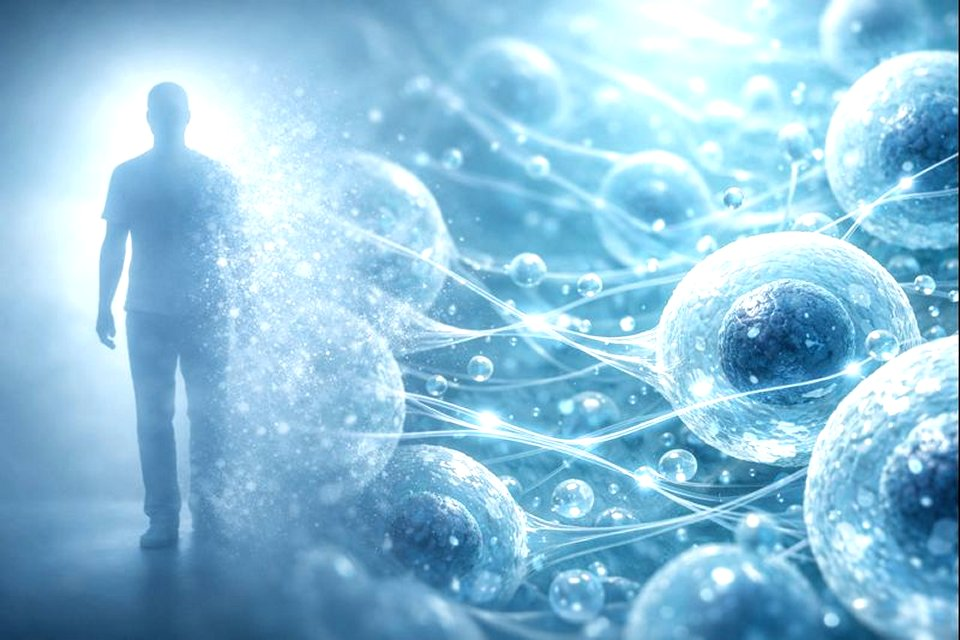
Many chronic conditions are not the result of missing nutrients or broken organs, but of communication failure at the cellular level. Inflammation, microbial debris, biofilms, oxidative waste, poor oxygen delivery, and extracellular congestion all interfere with how cells send, receive, and interpret signals.

Chlorine dioxide (CD/CDS) is being explored in alternative health research as a supportive upstream intervention for restoring cellular communication, not by forcing signaling, but by removing the noise that prevents signals from being transmitted accurately.

This article explores why cellular miscommunication underlies many chronic symptoms, and how restoring signal clarity may allow systems to self-correct.

  1. What Is Cellular Communication?

Cellular communication is the coordinated exchange of information that allows cells to:

    • respond to stress
    • regulate inflammation
    • manage energy production
    • coordinate immune responses
    • maintain tissue structure
    • adapt to environmental changes
    • initiate repair or regeneration

Key communication channels include:

    • cytokines and signaling molecules
    • electrical gradients and membrane potentials
    • ion channels
    • receptor–ligand interactions
    • extracellular matrix signaling
    • metabolic feedback loops

When these channels function properly, the body maintains balance. When they are disrupted, confusion spreads system-wide.

  1. Why Does Cellular Communication Break Down?

Cells do not stop communicating—they communicate poorly when interference accumulates.

Primary disruptors include:

    • Chronic Inflammation: Inflammatory signals drown out regulatory messages.
    • Microbial Byproducts: Toxins distort receptor sensitivity and signal interpretation.
    • Biofilms: Biofilms physically and chemically block signal diffusion.
    • Oxidative Waste: Excess debris interferes with receptor function.
    • Poor Oxygenation: Low oxygen alters metabolic signaling priorities.
    • Extracellular Matrix Congestion: A stiff, acidic matrix disrupts mechanical and chemical cues.
    • Mitochondrial Inefficiency: Energy scarcity limits signal processing.

When this interference persists, cells act independently instead of cooperatively.

  1. Who Is Most Affected by Cellular Miscommunication?

Individuals experiencing:

    • chronic inflammation
    • autoimmune-like symptoms
    • fatigue without clear cause
    • hormonal imbalance
    • poor recovery from stress
    • cognitive fog
    • digestive dysregulation
    • chronic pain
    • slow healing
    • accelerated aging

These symptoms often reflect signal distortion, not structural damage.

  1. Where Does Chlorine Dioxide Fit In?

Chlorine dioxide does not act as a signaling molecule and does not stimulate receptors directly.

Its proposed role is signal environment cleanup:

    • Reducing Microbial Signal Interference: Fewer toxins means clearer receptor input.
    • Weakening Biofilms: Improves diffusion of chemical and electrical signals.
    • Lowering Inflammatory Background Noise: Allows regulatory signals to be detected again.
    • Supporting Oxygen Balance: Restores proper metabolic signaling priorities.
    • Cleaning the Extracellular Matrix: Improves mechanical and biochemical communication.
    • Supporting Mitochondrial Recovery: Energy availability improves signal processing.

CD helps restore communication by quieting the static on the line.

  1. When Does Cellular Communication Begin to Restore?

Signal clarity often returns:

    • after inflammation subsides
    • after microbial load decreases
    • after intracellular waste clearance improves
    • after mitochondrial efficiency increases
    • after lymphatic flow resumes
    • after oxygen delivery stabilizes

Many people experience nonlinear improvement—multiple systems begin improving simultaneously once communication normalizes.
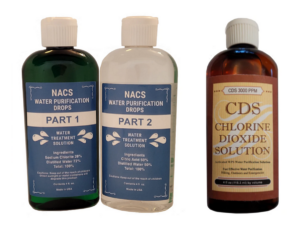
Chlorine Dioxide – CDS 3000

How Chlorine Dioxide May Support Cellular Communication Restoration

  1. Reducing Signal Distortion: Lower toxin levels improve receptor accuracy.
  1. Improving Signal-to-Noise Ratio: Regulatory signals become detectable again.
  1. Restoring Electrical Gradients: Cleaner membranes support proper ion flow.
  1. Supporting Metabolic Feedback Loops: Cells can respond appropriately to nutrient and energy cues.
  1. Improving Tissue Coordination: Cells act cooperatively rather than defensively.
  1. Supporting Immune Resolution Signals: Clearer communication allows inflammation to resolve.
  1. Enhancing Regenerative Messaging: Repair instructions propagate more effectively.

Why Communication Restoration Changes Everything

When cellular communication improves, symptoms often resolve in unexpected clusters:

  • inflammation declines
  • energy stabilizes
  • digestion improves
  • cognition sharpens
  • sleep deepens
  • mood calms
  • healing accelerates

This is because communication governs coordination, and coordination governs health.

Rather than chasing symptoms system by system, restoring communication allows the body to self-organize back toward balance.

Chlorine Dioxide Book

Quick How-To Guide

  1. Reduce Interference First: Signal clarity follows cleanup, not stimulation.
  1. Support Oxygen and Energy: Communication is energy-dependent.
  1. Hydration and Minerals: Ion signaling requires fluid balance.
  1. Support Lymphatic Flow: Signals must travel through clean pathways.
  1. Observe System-Wide Shifts: Signs of restored communication include:
    • multiple symptoms improving together
    • smoother stress responses
    • faster recovery
    • improved adaptability

Disclaimer

This article is for informational and research purposes only. It does not diagnose, treat, cure, or prevent disease. Chlorine dioxide is not approved for internal therapeutic use by regulatory agencies. Cellular signaling is complex; consult qualified professionals before making health-related decisions.
 

Categories
Chlorine Dioxide

Chlorine Dioxide Water Purification Drops Erase Inflammation

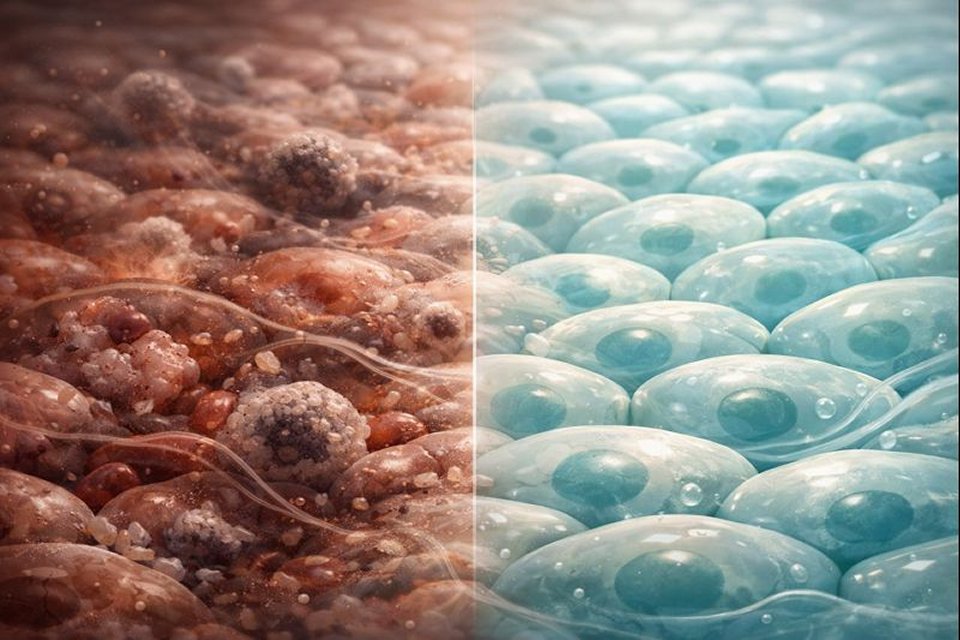
Chronic inflammation is one of the most damaging and misunderstood drivers of disease and accelerated aging. Unlike acute inflammation, which is short-lived and protective, chronic inflammation lingers. It quietly erodes tissues, disrupts metabolism, accelerates aging, and drains energy.

What makes chronic inflammation especially difficult to resolve is that it is often not caused by injury, but by persistent internal triggers: microbial debris, biofilms, oxidative waste, iron mismanagement, toxin accumulation, and poor oxygen delivery.

Chlorine dioxide (CD/CDS) is being explored in alternative health research as a supportive upstream tool for addressing chronic inflammation, not by suppressing immune responses, but by removing the ongoing irritants that keep inflammation switched on.

This article examines how chronic inflammation becomes self-perpetuating, and how reducing its root drivers may allow the body to finally return to balance.

  1. What Is Chronic Inflammation?

Chronic inflammation is a prolonged, low-grade immune activation that persists even when there is no acute injury.

Common signs include:

      • persistent fatigue
      • joint stiffness
      • muscle aches
      • brain fog
      • digestive discomfort
      • skin issues
      • mood instability
      • poor sleep
      • frequent illness
      • slow healing
      • accelerated aging

Unlike acute inflammation, chronic inflammation does not resolve on its own; it must be disarmed by removing its triggers.

  1. Why Does Inflammation Become Chronic?

Inflammation becomes chronic when the immune system is continuously provoked by internal stressors.

Key contributors include:

    • Persistent Microbial Burden
      • Bacteria, fungi, viruses, and parasites shed inflammatory debris even at low levels.
    • Biofilms
      • `Biofilms act as reservoirs of toxins that continuously irritate tissues.
    • Oxidative Waste Accumulation
      • Uncleared metabolic waste keeps inflammatory pathways active.
    • Iron and Metal Mismanagement
      • Excess or misplaced iron catalyzes oxidative damage.
    • Gut Barrier Breakdown
      • Endotoxins leak into circulation, activating immune responses.
    • Poor Oxygenation
      • Low oxygen environments favor inflammatory metabolism.
    • Lymphatic Congestion
      • Inflammatory waste cannot be cleared efficiently.

Together, these factors create a feedback loop that keeps inflammation alive long after its original cause.

  1. Who Is Most Affected by Chronic Inflammation?

People with:

      • autoimmune-like symptoms
      • chronic pain
      • metabolic dysfunction
      • cardiovascular issues
      • neuroinflammation
      • hormonal imbalance
      • post-infection syndromes
      • environmental toxin exposure
      • mold-related illness
      • accelerated aging

Many individuals treat inflammation for years without realizing the original irritant remains present.

  1. Where Does Chlorine Dioxide Fit In?

Chlorine dioxide does not suppress inflammation directly and does not act like an anti-inflammatory drug.

Its proposed role is irritant removal:

  • Reducing Microbial Load

Fewer microbes = fewer inflammatory signals.

    • Weakening Biofilms
      • Disrupts toxin reservoirs that perpetuate immune activation.
    • Oxidizing Organic Waste
      • Breaks down inflammatory debris into simpler compounds.
    • Supporting Oxygen Balance
      • Improved oxygenation reduces inflammatory metabolism.
    • Lowering Oxidative Stress
      • Cleaner tissues generate fewer inflammatory free radicals.
    • Improving Lymphatic Clearance
      • Allows inflammatory byproducts to exit tissues.

CD helps turn off inflammation by removing what keeps turning it on.

  1. When Does Inflammation Erasure Become Possible?

True inflammation resolution often occurs:

      • after chronic infections are addressed
      • after biofilms are reduced
      • after lymphatic flow improves
      • after iron mismanagement is corrected
      • after oxidative waste is lowered
      • after detox pathways reopen

Many people report that inflammation resolves suddenly, not gradually—once the final trigger is removed.

Chlorine Dioxide Kit or CDS 3000

How Chlorine Dioxide Supports Inflammation Resolution

  1. Reducing Continuous Immune Provocation
    • Fewer irritants mean the immune system can finally stand down.
  1. Interrupting Inflammatory Feedback Loops
    • By reducing toxins, inflammation no longer fuels itself.
  1. Supporting Mitochondrial Energy Balance
    • Efficient mitochondria reduce inflammatory signaling.
  1. Improving Oxygen and Nutrient Delivery
    • Healthier tissues require less immune intervention.
  1. Supporting Gut and Barrier Integrity
    • Cleaner environments reduce endotoxin leakage.
  1. Enhancing Lymphatic Drainage
    • Inflammatory waste exits more efficiently.
  1. Reducing Oxidative Iron Reactions
    • Lower oxidative stress calms inflammatory pathways.

Inflammation “Erasure” vs Suppression

Most anti-inflammatory strategies attempt to suppress symptoms. True resolution occurs when the immune system no longer detects a threat.

When chronic triggers are removed, inflammation often:

  • drops rapidly
  • resolves deeply
  • stays resolved
  • no longer rebounds

This creates a foundation for:

  • tissue repair
  • metabolic recovery
  • improved energy
  • clearer cognition
  • slower aging


Chlorine Dioxide Book

Quick How-To Guide

  1. Identify Chronic Triggers
    • Inflammation persists only while irritants remain.
  1. Reduce Microbial and Biofilm Burden
    • Many explore CD as part of upstream cleanup.
  1. Support Drainage
    • Hydration, minerals, and movement help clear inflammatory debris.
  1. Avoid Over-Suppression
    • Blunting inflammation without removing causes delays resolution.
  1. Observe Symptom Shifts

People often notice:

      • reduced pain
      • improved energy
      • better sleep
      • calmer mood
      • clearer thinking


Disclaimer

This article is for informational and research purposes only. It does not diagnose, treat, cure, or prevent disease. Chlorine dioxide is not approved for internal therapeutic use by regulatory agencies. Chronic inflammation has many causes; consult qualified professionals before making health decisions.