Every immune response begins with a signal. Not a symptom. Not inflammation. Not fatigue. A signal. Something is detected. A microbial fragment. An oxidative byproduct. A disrupted oxygen gradient. A damaged protein. An inflammatory residue not fully cleared. The body does not react randomly. It reacts to input.

Step 1: Detection
Immune receptors recognize molecular patterns.
These receptors do not distinguish between “large threat” and “persistent background irritant.” They only detect deviation.
If deviation persists, signaling persists. Low-level detection → low-level signaling. Not enough to cause acute illness. Enough to alter baseline.
Step 2: Amplification
Once detection occurs, signaling molecules are released:
Cytokines.
Chemokines.
Reactive oxygen species.
Stress mediators.
These signals recruit additional immune activity. They increase metabolic demand. They shift redox balance. They alter mitochondrial output.
Amplification is protective — if temporary. If input continues, amplification becomes sustained.
Step 3: Systemic Spillover
Persistent immune signaling does not stay local.
It influences:
- autonomic tone
- cortisol release
- glucose allocation
- oxygen consumption
- mitochondrial respiration
- inflammatory threshold
- tissue repair speed
This is why small irritants can produce systemic fatigue.
The body reallocates energy toward vigilance.
Step 4: Feedback Reinforcement
Chronic signaling increases oxidative chemistry.
Oxidative chemistry increases redox instability.
Redox instability alters cellular signaling.
Altered signaling sustains immune detection sensitivity.
The chain reinforces itself.
Signal → response → chemistry → altered baseline → continued signal.
The cascade continues not because the body is malfunctioning, but because input remains.
Step 5: Resolution (When It Happens)
Resolution requires:
- reduction of triggering input
- clearance of inflammatory debris
- stabilization of redox balance
- normalization of oxygen gradients
- restoration of mitochondrial efficiency
- cessation of amplification signals
When input quiets, the chain unwinds.
Detection falls.
Amplification lowers.
Spillover recedes.
Baseline restores.
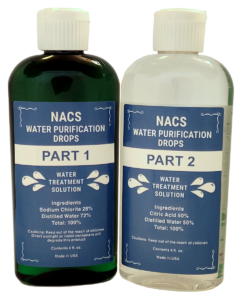
Where Chlorine Dioxide Fits in the Chain
Chlorine dioxide is not an immune suppressor.
It does not block cytokines directly.
It does not override receptor signaling.
It does not sedate inflammatory chemistry.
Its proposed role in alternative terrain-based models relates primarily to upstream input modification.
If microbial burden declines, detection events decrease.
If biofilms weaken, concealed triggers reduce.
If oxidative debris lowers, false danger signals diminish.
If redox balance stabilizes, amplification thresholds normalize.
The chain shortens because the initial signal weakens.
When fewer signals begin the cascade, fewer cascades sustain.
Why This Matters for Longevity
Immune cascades are efficient when short.
They are aging when chronic.
Persistent low-grade signaling:
- increases oxidative wear
- reduces metabolic flexibility
- elevates baseline inflammation
- sustains sympathetic tone
- slows tissue repair
- increases cumulative biological friction
Shortening cascades reduces cumulative load.
Resolution reduces wear.
Conceptual Application (Informational Only)
Rather than asking, “How do we suppress inflammation?”
A more useful question becomes:
“What keeps triggering the first signal?”
Some approaches emphasize:
- reducing microbial persistence
- weakening biofilm environments
- supporting clearance pathways
- stabilizing redox cycling
- improving oxygen distribution
- lowering background irritant load
As upstream input decreases, downstream cascades soften.

The immune system is not the enemy. The cascade is not the enemy. The problem is unfinished signaling. When the first signal quiets, the rest of the chain often follows.
Disclaimer
This article is for informational and research purposes only. Chlorine dioxide is not approved for internal therapeutic use by regulatory agencies. Immune physiology is complex and requires professional guidance before making health-related decisions.