Categories
Chlorine Dioxide

How the Body Reallocates Energy Under Stress Chlorine Dioxide and Adaptive Trade-Offs

Biological systems rarely fail suddenly. More often, they adjust. When the body encounters persistent stress, whether microbial, metabolic, inflammatory, or environmental, it does not immediately collapse. Instead, it begins reallocating resources to maintain short-term stability. This process is known as adaptive trade-off.

The body shifts energy, nutrients, and signaling priorities from one function to another. In the short term, these adjustments are protective. Over time, however, repeated trade-offs can slowly reshape how the body operates.

Understanding these trade-offs helps explain why chronic stressors—especially subtle, persistent ones—can influence energy, immunity, and longevity.

The Economy of Cellular Energy

Every cell operates within a metabolic budget.

Energy generated by mitochondria must support a wide range of biological processes, including:

    • immune surveillance
    • tissue repair
    • detoxification and waste clearance
    • hormone production
    • neurological signaling
    • physical movement
    • temperature regulation

When conditions are stable, energy allocation is balanced across these systems. Repair cycles complete efficiently, immune responses resolve, and metabolic activity remains flexible.

However, when the body detects ongoing disturbance, priorities shift.

When Defense Takes Priority

Persistent irritants, such as microbial fragments, inflammatory signals, or oxidative imbalance, can activate low-level immune vigilance.

Even when symptoms are mild, the immune system may remain partially engaged.

Maintaining this readiness requires resources. Immune cells increase metabolic demand, produce signaling molecules, and sustain inflammatory surveillance across tissues.

As a result, energy that would normally support restoration and regeneration becomes redirected toward defense.

This trade-off is subtle but meaningful.

Over time, it may manifest as:

    • slower recovery from exertion
    • lingering fatigue after illness
    • delayed tissue repair
    • fluctuating metabolic performance
    • reduced stress tolerance

None of these symptoms necessarily indicate catastrophic dysfunction. Instead, they often reflect a system operating under reallocated priorities.

The Mitochondrial Adjustment

Mitochondria play a central role in managing adaptive trade-offs.

When immune signaling increases, mitochondria shift toward supporting defensive chemistry. This includes increased production of reactive oxygen species and altered electron transport dynamics.

While these changes help neutralize perceived threats, they can also elevate oxidative pressure inside cells.

If this defensive state persists, mitochondrial efficiency may gradually decline. More energy becomes necessary to produce the same physiological output.

In this way, the body maintains stability—but at a higher energetic cost.

The Role of Redox Balance

Redox chemistry acts as a communication network between cellular systems.

When oxidative signals rise, they inform the immune system that increased vigilance may be necessary. When those signals resolve, normal metabolic activity resumes.

However, when oxidative residue or microbial irritants remain present, redox signals may stay elevated.

This prolongs the defensive trade-off.

Repair pathways slow, metabolic flexibility narrows, and baseline inflammation may remain slightly increased.

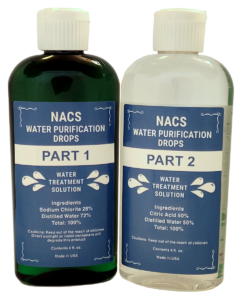
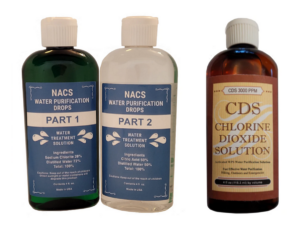
Chlorine Dioxide Kit (L) CDS 3000 (R)

Chlorine Dioxide

Within terrain-oriented discussions, chlorine dioxide is not typically described as enhancing energy production directly.

Instead, its relevance is considered upstream.

If microbial persistence decreases, immune vigilance may decline.
If biofilm environments weaken, hidden irritants may lose stability.
If oxidative residue lowers, redox signals may normalize.
If inflammatory loops complete more efficiently, metabolic allocation can rebalance.

By reducing persistent background disturbances, the body may gradually shift away from defense-heavy energy allocation.

The goal is not to stimulate metabolism artificially.

It is to remove factors that keep the system in defensive mode.

Longevity and the Cost of Trade-Offs

Adaptive trade-offs are useful in the short term.

They allow the body to respond quickly to threats and maintain survival under changing conditions.

However, when these adjustments persist for months or years, they may gradually narrow biological margin.

Repair slows.
Inflammation lingers.
Energy efficiency declines.
Resilience becomes less predictable.

Longevity depends not only on responding to stress, but on returning fully to baseline afterward.

Reducing persistent disturbances allows biological priorities to rebalance.

Informational Orientation

Approaches aimed at reducing chronic defensive trade-offs often emphasize:

    • lowering persistent microbial burden
    • weakening biofilm-protected irritants
    • stabilizing redox chemistry
    • supporting oxygen diffusion
    • improving intracellular clearance pathways

As background stressors decline, the body may redirect energy toward restoration rather than continuous vigilance.

Chlorine Dioxide Book

The body constantly negotiates trade-offs.

In moments of danger, defense takes precedence over repair. But when the threat fades, recovery must reclaim its place.

When underlying interference declines, the biological economy shifts again.

Energy once spent on vigilance becomes available for renewal.

And in that quiet rebalancing, resilience begins to return.

Disclaimer:
This article is for informational and research purposes only. Chlorine dioxide is not approved for internal therapeutic use by regulatory agencies. Immune and metabolic processes are complex and should be evaluated with appropriate professional guidance.


Categories
Chlorine Dioxide

Chlorine Dioxide, Immune Signal Cascades Triggers Resolution

Every immune response begins with a signal. Not a symptom. Not inflammation. Not fatigue. A signal. Something is detected. A microbial fragment. An oxidative byproduct. A disrupted oxygen gradient. A damaged protein. An inflammatory residue not fully cleared. The body does not react randomly. It reacts to input.

Step 1: Detection

Immune receptors recognize molecular patterns.
These receptors do not distinguish between “large threat” and “persistent background irritant.” They only detect deviation.

If deviation persists, signaling persists. Low-level detection → low-level signaling. Not enough to cause acute illness. Enough to alter baseline.

Step 2: Amplification

Once detection occurs, signaling molecules are released:

Cytokines.
Chemokines.
Reactive oxygen species.
Stress mediators.

These signals recruit additional immune activity. They increase metabolic demand. They shift redox balance. They alter mitochondrial output.

Amplification is protective — if temporary. If input continues, amplification becomes sustained.

Step 3: Systemic Spillover

Persistent immune signaling does not stay local.

It influences:

  • autonomic tone
  • cortisol release
  • glucose allocation
  • oxygen consumption
  • mitochondrial respiration
  • inflammatory threshold
  • tissue repair speed

This is why small irritants can produce systemic fatigue.

The body reallocates energy toward vigilance.

Step 4: Feedback Reinforcement

Chronic signaling increases oxidative chemistry.

Oxidative chemistry increases redox instability.

Redox instability alters cellular signaling.

Altered signaling sustains immune detection sensitivity.

The chain reinforces itself.

Signal → response → chemistry → altered baseline → continued signal.

The cascade continues not because the body is malfunctioning, but because input remains.

Step 5: Resolution (When It Happens)

Resolution requires:

  • reduction of triggering input
  • clearance of inflammatory debris
  • stabilization of redox balance
  • normalization of oxygen gradients
  • restoration of mitochondrial efficiency
  • cessation of amplification signals

When input quiets, the chain unwinds.

Detection falls.
Amplification lowers.
Spillover recedes.
Baseline restores.

Chlorine Dioxide 2-Part Kit

Where Chlorine Dioxide Fits in the Chain

Chlorine dioxide is not an immune suppressor.

It does not block cytokines directly.
It does not override receptor signaling.
It does not sedate inflammatory chemistry.

Its proposed role in alternative terrain-based models relates primarily to upstream input modification.

If microbial burden declines, detection events decrease.
If biofilms weaken, concealed triggers reduce.
If oxidative debris lowers, false danger signals diminish.
If redox balance stabilizes, amplification thresholds normalize.

The chain shortens because the initial signal weakens.

When fewer signals begin the cascade, fewer cascades sustain.

Why This Matters for Longevity

Immune cascades are efficient when short.

They are aging when chronic.

Persistent low-grade signaling:

  • increases oxidative wear
  • reduces metabolic flexibility
  • elevates baseline inflammation
  • sustains sympathetic tone
  • slows tissue repair
  • increases cumulative biological friction

Shortening cascades reduces cumulative load.

Resolution reduces wear.

Conceptual Application (Informational Only)

Rather than asking, “How do we suppress inflammation?”

A more useful question becomes:

“What keeps triggering the first signal?”

Some approaches emphasize:

  • reducing microbial persistence
  • weakening biofilm environments
  • supporting clearance pathways
  • stabilizing redox cycling
  • improving oxygen distribution
  • lowering background irritant load

As upstream input decreases, downstream cascades soften.

Chlorine Dioxide Book

The immune system is not the enemy. The cascade is not the enemy. The problem is unfinished signaling. When the first signal quiets, the rest of the chain often follows.

Disclaimer
This article is for informational and research purposes only. Chlorine dioxide is not approved for internal therapeutic use by regulatory agencies. Immune physiology is complex and requires professional guidance before making health-related decisions.


Categories
Chlorine Dioxide

Chlorine Dioxide, Redox Balance, and the Chemistry of Resilience

Redox balance is the ongoing exchange between oxidation and reduction, the controlled transfer of electrons that powers metabolism, immunity, detoxification, and repair. It is not the same as “oxidative stress,” though oxidative stress is what happens when the balance tips too far in one direction.

Every breath we take creates reactive oxygen species. Every immune response generates oxidative chemistry. Every metabolic reaction involves electron movement. This is not damage. This is biology.

The issue arises when oxidative signals do not resolve, when electron flow becomes disorganized, inefficient, or excessive. That’s when recovery slows, inflammation lingers, and tissues behave as if under constant low-level threat.

Case one:
A man in his late forties reports that small stressors linger too long. A minor cold turns into weeks of fatigue. A tough workout produces disproportionate soreness. Recovery feels delayed — not dramatic, just slow.

Case two:
A woman in her early fifties notices that her skin reacts unpredictably. Small irritants cause outsized redness. Sleep disruption leaves her inflamed for days. Antioxidant supplements help briefly, then plateau.

Case three:
An otherwise healthy individual develops increasing sensitivity to foods, chemicals, temperature changes, and even emotional stress. Nothing is catastrophic. Everything is amplified.

The labs, again, are mostly unremarkable, but there is a common thread: redox imbalance.

Redox imbalance is rarely caused solely by a lack of antioxidants.

More often, it reflects:

  • persistent microbial burden generating oxidative byproducts
  • biofilms trapping reactive waste
  • iron mismanagement catalyzing excess oxidation
  • mitochondrial inefficiency leaking electrons
  • disrupted oxygen gradients, altering redox signaling
  • incomplete inflammation cycles, leaving chemical residue

In these conditions, adding antioxidants is like mopping a floor while the tap is still running.

Chlorine Dioxide Kit

In alternative health discussions, chlorine dioxide is often misunderstood as simply an oxidizing agent. That label misses nuance. Its proposed relevance to redox balance lies not in “adding oxidation,” but in altering the conditions that distort redox cycling in the first place.

If                                                      then

microbial triggers decrease oxidative burden drops
biofilms weaken trapped reactive species disperse
intracellular waste clears electron flow stabilizes
inflammation resolves fully redox signals quiet
mitochondrial function improves electron leakage decreases

Redox balance is not achieved by suppressing oxidation; it is restored when oxidation and reduction return to rhythm. One of the more subtle markers of improving redox balance is resilience.

Not energy spikes, dramatic detox reactions, or sudden breakthroughs.

Instead:

  • stress that passes more quickly
  • soreness that resolves on schedule
  • skin that calms faster
  • sleep that restores more deeply
  • immune responses that complete without lingering
  • emotional stress that doesn’t inflame the body

Redox balance does not make you invincible. It makes you responsive. This is where resilience and longevity intersect.

A body that can tolerate oxidation without spiraling into chronic stress is a body that ages more slowly. A system that can generate oxidative chemistry when needed, and shut it down when finished, accumulates less micro-damage over time.

Aging accelerates when redox loops stay open. Resilience returns when they close.

Chlorine Dioxide Book

A practical perspective:

Rather than chasing antioxidant capacity endlessly, many people explore restoring redox balance by:

  • reducing ongoing oxidative triggers
  • supporting microbial load reduction
  • improving oxygen distribution
  • reopening detox pathways
  • restoring mitochondrial efficiency
  • allowing inflammatory cycles to resolve fully

When the environment stabilizes, redox chemistry often follows. Resilience is chemistry behaving properly. Not suppressed or amplified; balanced. And when that balance returns, the body tends to feel less fragile, not because it is protected from stress, but because it can process stress cleanly.

Disclaimer

This article is for informational and research purposes only. It does not diagnose, treat, cure, or prevent disease. Chlorine dioxide is not approved for internal therapeutic use by regulatory agencies. Redox biology is complex; consult qualified professionals before making health-related decisions.