Categories
Chlorine Dioxide

Chlorine Dioxide Claims Ranked by Validation

There is little doubt that chlorine dioxide has established itself as an effective broad-spectrum water purification and sanitation compound. Its use in municipal water systems, industrial sanitation, emergency response, food-processing environments, and outdoor water purification has been documented for decades. It is specifically valued because of its ability to reduce a wide range of microorganisms while remaining practical, portable, and highly effective in difficult environments.

Where the conversation becomes far more controversial is when people begin discussing chlorine dioxide beyond environmental purification and into broader biological or health-related applications. Over the years, an enormous number of claims, reports, studies, manufacturer statements, sanitation findings, field observations, and personal testimonials have accumulated surrounding the organisms chlorine dioxide may affect. Some of these claims are grounded in recognized water-treatment science and industrial sanitation research. Others originate from product manufacturers, independent investigators, alternative-health communities, or purely anecdotal user experiences.

One of the biggest mistakes people make when approaching this topic is treating every claim as though it carries the same level of validation. It does not. Some claims are strongly supported within water purification and sanitation contexts. Others remain speculative, controversial, or largely experiential. For that reason, thoughtful due diligence is essential. People should investigate sources carefully, compare viewpoints, distinguish between environmental disinfection and internal therapeutic claims, and avoid both blind belief and automatic dismissal.

What follows is a comprehensive hierarchical list of organisms, conditions, and microbial categories commonly discussed in relation to chlorine dioxide, organized according to the general level of validation or evidence typically associated with the claim—from well-established sanitation applications to highly anecdotal alternative-health discussions.
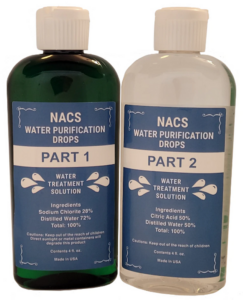
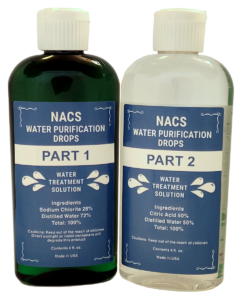
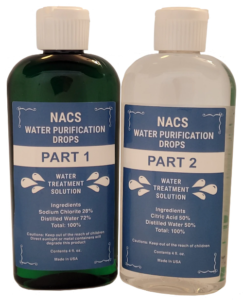
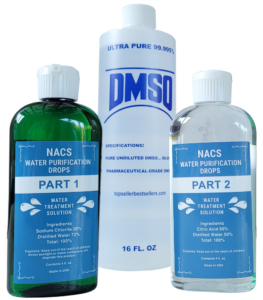
2-part chlorine dioxide kit

🔷 Chlorine Dioxide Claims Hierarchy

Organisms and Conditions Commonly Discussed in Relation to Chlorine Dioxide

🟩 TIER 1 — DOCUMENTED WATER PURIFICATION / SANITATION TARGETS

(EPA-recognized, industrial sanitation, municipal treatment, or published disinfection relevance)

These are organisms or contamination categories widely associated with chlorine dioxide use in:

  • municipal water systems
  • industrial sanitation
  • emergency water purification
  • environmental disinfection
Organism / Category Context
E. coli Common waterborne bacteria discussed in municipal purification
Salmonella Food and water sanitation
Giardia lamblia Waterborne protozoan often referenced in outdoor purification
Cryptosporidium Frequently discussed in chlorine dioxide water-treatment contexts
Norovirus Surface and water sanitation discussions
Legionella Water system disinfection
Cholera-related organisms Emergency sanitation and contaminated water control
General bacteria & viruses Municipal and industrial purification applications
Biofilm reduction Industrial water systems and pipeline sanitation
Mold and mildew control Environmental sanitation


🟨 TIER 2 — MANUFACTURER / INDUSTRIAL EFFICACY CLAIMS

(Claims made in product literature, industrial sanitation, or water-treatment marketing)

These claims are commonly found in:

  • water purification product literature
  • industrial sanitation materials
  • agricultural and environmental applications
Organism / Category Discussion Context
Campylobacter Water and food contamination
Shigella Waterborne sanitation
Staphylococcus species Surface sanitation
Streptococcus species General microbial sanitation
Pseudomonas aeruginosa Industrial water systems
Candida species Mold/yeast sanitation discussions
Aspergillus Environmental mold control
Algae and slime organisms Water system maintenance
General protozoa Outdoor water purification
Broad-spectrum microbial reduction Product efficacy positioning


🟧 TIER 3 — ANECDOTAL / ALTERNATIVE-HEALTH CLAIMS

(User reports, alternative-health discussions, controversial or non-consensus claims)

These are commonly discussed in:

  • alternative-health communities
  • forums
  • anecdotal reports
  • independent experimentation circles

These claims remain controversial and are not established medical consensus.

Organism / Condition How It Is Discussed
Toxoplasma gondii (“cat worms”) Behavioral, craving, and environmental burden discussions
Candida overgrowth Gut-health and detox conversations
Lyme-related organisms Chronic inflammatory discussions
Parasites / helminths Parasite cleanse communities
Liver flukes Detoxification discussions
Mold burden Environmental toxicity conversations
Biofilm-related burden Chronic microbial discussions
Chronic fatigue-related infections Alternative terrain-health discussions
EBV / herpes-family viruses Immune-load discussions
General “microbial burden” Systems-based detoxification discussions


🔷 TIER 4 — HIGHLY CONTROVERSIAL OR EXTRAORDINARY CLAIMS

(Stories, testimonials, and claims lacking broad clinical validation)

These claims circulate heavily online but should be approached with substantial caution and critical thinking.

Condition / Claim Area Discussion Context
Neurocognitive disorders Dementia / Alzheimer’s anecdotal reports
Cancer-related discussions Extremely controversial
Autoimmune conditions Broad anecdotal claims
Advanced chronic illness recovery stories Testimonial-driven discussions
Behavioral and addiction shifts T. gondii and microbiome speculation
Heavy metal “detoxification” Alternative detox communities
Chlorine Dioxide for Humans Book

🔷 Why This Tiered Structure Matters

One of the biggest problems in alternative-health conversations is that: everything gets presented as equal. It is not equal.

Some discussions involve:

  • recognized sanitation science

Others involve:

  • industrial efficacy claims

Others involve:

  • personal testimony and experimentation

Separating these categories helps people:

  • think more clearly
  • research more effectively
  • and avoid exaggerated certainty


🔷 A More Intelligent Approach

The strongest position is rarely: “Everything is true.” Nor: “Everything is false.”

The strongest position is: “Different levels of evidence exist, and thoughtful people should understand the difference.”

That approach protects:

  • curiosity
  • skepticism
  • and intellectual honesty

all at the same time.


🔷 Important Note

This hierarchy is presented for educational and informational purposes only. Inclusion within any tier does not imply medical approval, clinical proof, or consensus regarding internal therapeutic use of chlorine dioxide. Chlorine dioxide is widely used in water purification and sanitation applications. Many alternative-health claims remain anecdotal, controversial, or insufficiently studied.
 

Categories
Chlorine Dioxide MMS

Pathogenic Disease Chlorine Dioxide vs Parasite and Pathogen

Would you like to know how to get rid of parasites? Tapeworms, pinworms, and other types of parasites may live inside your body. Immunologists and other biologists are studying the effects of parasitic worms, or helminths, on the immune system, despite your doctor’s assurances that parasites are not a problem for Americans living in the United States. Parasites, diseases, and hosts have been used in a wide array of experiments and many individuals are turning to natural alternatives, such as the Chlorine Dioxide Parasite Cleanse with MMS.

Depending on the size and location, parasites can be classified as either microparasites, such as malaria, which can only be seen under a microscope, or macroparasites, such as roundworms and tapeworms. There are various types of parasite cleanses, such as diets, supplements, or other detox products. It is best to consult a healthcare professional before attempting any parasite cleanse.

Pathogenic Disease

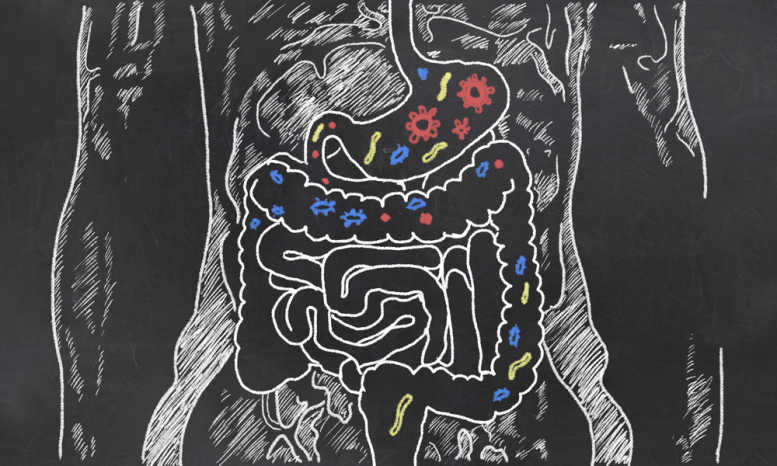
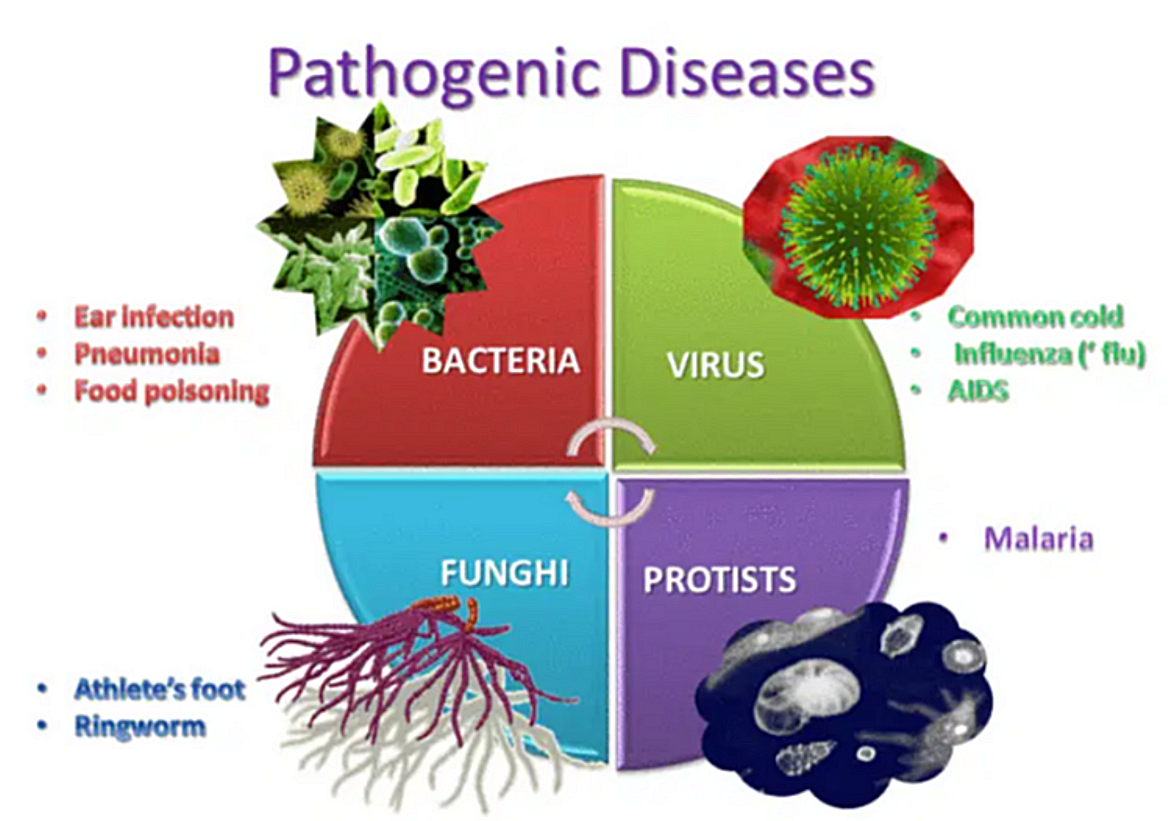
Pathogenic diseases are caused by parasites and pathogens that gain access to your body and multiply spreading disease symptoms throughout the biological system. The most common pathogens spreading disease are bacteria, fungi, viruses, and parasites. Pathogenic disease is most often spread to humans from person-to-person, but are also spread by pets, bug bites, contaminated food, and water.

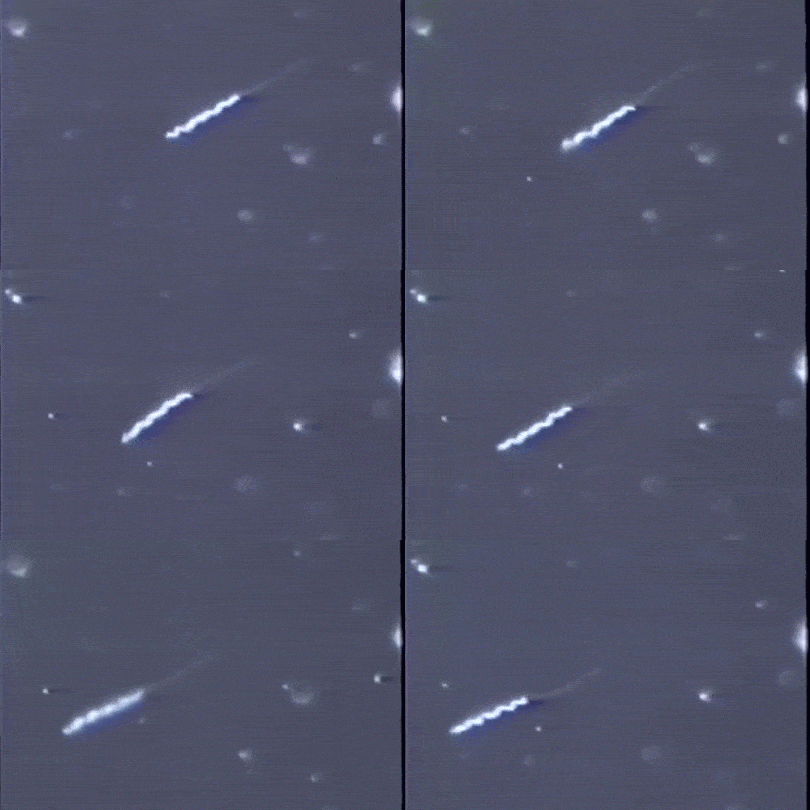
One of the big hitters gaining popularity among the pathogenic disease promoters are pathogenic spirochetes which are responsible for more misdiagnoses of disease than any other, as they have an extremely high survivability index, possess the unique ability to mutate and morph into other forms, hide and hibernate in biofilm, making them almost impossible to locate and kill.

Pathogenic Spirochete in Action

Chlorine dioxide is highly attracted to the pathogen’s positive electric charge to locate and destroy the pathogen, including but not limited to the pathogenic spirochete. Chlorine dioxide also breaks down the biofilm, where pathogens tend to hide, exposing them for extermination. Chlorine dioxide kills pathogens by oxidation causing them to explode.

Friendly bacteria, as well as healthy cells in the body, are not affected by chlorine dioxide as they possess a negative electrical charge. One of the greatest solutions to mankind’s diseases may be chlorine dioxide. It is the same chemical the healthy body’s immune system manufactures to kill pathogens and other harmful microorganisms.

Chlorine dioxide kits are available over the counter as chlorine dioxide water purification drops. This is a safe and convenient way to make chlorine dioxide on demand for the disinfection of water. The two-part kit is available and any sporting goods store and can usually be found in the camping department, for hikers and campers who may need to make safe drinking water from questionable water sources.

Chlorine dioxide is a potent disinfectant that possesses strong antibacterial and oxidizing properties. Its effectiveness in inhibiting or eliminating microbes has been extensively studied in areas like water and wastewater treatment, environmental sanitation, and medical contexts. When organic matter is present, this compound (known as chlorine dioxide or ClO2) has shown to have greater antiviral capabilities against SARS-CoV-2 compared to household bleach which is sodium hypochlorite (NaOCl or NaClO). Note their chemical compositions are completely different even though they share similar chemical elements.

Chlorine dioxide is also effective at destroying pathogenic microbes, including viruses, bacteria, and fungi from vegetables and fruits, without altering their taste. Following administration and detoxification, only a little sodium is left behind as its waste product.

In addition to seeking out and destroying parasites and pathogens, chlorine dioxide also prevents biofilm from forming. Even the thickest and most established biofilm deposits can be destroyed and eradicated by chlorine dioxide. Moreover, it is effective against bacteria, viruses, parasites such as Giardia, as well as the highly resistant parasite Cryptosporidium, which requires a longer period of exposure.

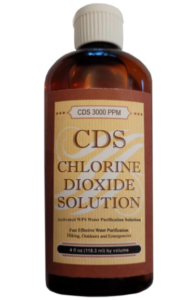
CDS 3000 PPM

CDS 3000 is made from chlorine dioxide gas suspended in distilled water at a solution of 3,000 parts per million or 3000 PPM. It is manufactured via distillation process and requires no activation (unlike the two-part kit). It is more expensive per drop and uses 5-times the number of drops than those made from the two-part kit, but much more convenient if you’d rather not be burdened with mixing or prefer a purer product.

With a pH of neutral, CDS (ClO2) is a concentrated aqueous solution containing 0,3% (3000ppm) chlorine dioxide gas. It contains no sodium chlorite (NaClO2) in the solution. A dose of 10ml diluted with one liter of water is equivalent to 0,003% (30ppm) in 10 shots of 100ml per hour. (= 3mg ClO2 per dose)

Global reports and studies have proven that CDS 3000 kills pathogens and any kind of parasite more effectively than conventional disinfectants or antibiotics because of its high oxidizing capacity.

Eating on Chlorine Dioxide

In the protocols, it is recommended that you plan your meals around your chlorine dioxide usage. For example, if your chlorine dioxide usage is at 8:00 am, breakfast could be at 8:20-8:30 am, and your next dose at 9:00 am.

Chlorine Dioxide for Humans Book

To learn more about chlorine dioxide and MMS, see Healthy Alternative Chlorine Dioxide Uses Non-pharmacological Health Restoration, for the latest information, including how to use it for a variety of pathogenic diseases.


Categories
Chlorine Dioxide MMS

Chlorine Dioxide Parasite Cleanse with MMS | by Paris Humble

Insufficient attention is directed towards the gradual accumulation of parasites and pathogens within the human body. While the prevailing belief suggests a harmonious coexistence between parasites and humans, this equilibrium is disrupted when parasites reach a critical mass, severely compromising the host’s well-being. Additionally, it is not widely recognized that parasites may be significant contributors to numerous diseases. Modern medicine often neglects these underlying causes, as addressing them is deemed less lucrative compared to managing patients’ illnesses over time.

Chlorine dioxide, colloquially referred to as MMS by my father, stands out as the most potent killer of parasites and pathogens globally. Commercially, food processors employ chlorine dioxide to eradicate fungi, spores, molds, E. coli, all forms of bacteria, and viruses present in fruits, vegetables, seafood, and various food, dairy, and beverage products. Its effectiveness extends to eliminating a diverse array of parasites and worms found in food processing plants.

Without chlorine dioxide, instances of food poisoning would likely be significantly more prevalent. My father discovered that chlorine dioxide can purify water in any non-metallic container, including the human body.

Three-Week Parasite Cleanse Protocol

For those seeking an effective protocol for a pathogen and parasite cleanse, a three-week regimen involving the ingestion of three activated drops of chlorine dioxide in 4 ounces of water per hour over eight hours each day is recommended. If unfamiliar with regular use, individuals are advised to commence with Phase 1 (one drop per hour or less) and progress through the Chlorine Dioxide Phase continuum until reaching the prescribed 3 activated drops per hour for 21 consecutive days. This regimen is designed to eliminate the majority of parasites and pathogens, restoring vibrant health. For more detailed information, see the book, Healthy Alternative Chlorine Dioxide Uses Non-pharmacological Health Restoration.

Chlorine Dioxide for Humans Book

Adherence to the protocol is crucial for optimal results. Any deviations have been associated with the only reported complaints, primarily from individuals who did not faithfully follow the regimen. Completing the 21-day commitment is imperative, and in unforeseen circumstances preventing efficient completion, reducing chlorine dioxide intake to a maintenance dose is advised to avoid exciting surviving parasites into a replicating frenzy. A maintenance dose entails 4 or 5 activated drops in 4 ounces of water in the morning and evening, maintaining the existing parasite population until the full cleanse can be restarted.

Hard to Kill Parasites

Certain parasites, particularly the hard-to-kill Plasmodium falciparum responsible for malaria-related deaths worldwide, require a different approach. An initial dose of 18 drops of activated chlorine dioxide in three-fourths cup of preferably distilled or purified water is recommended, with a second dose an hour or two later if needed. Monitoring for adverse reactions is crucial, and adjustments to the dosage may be necessary. A 90% success rate has been observed in combating severe parasite attacks with this method.

For persistent symptoms, a third dose may be considered. If symptoms persist, a regimen of 6 drops per hour until symptoms subside is suggested. Negative reactions to this regimen should prompt cessation until subsidence, followed by a gradual reintroduction of chlorine dioxide.

Other hard-to-kill parasites, including pathogenic spirochetes, require a prolonged period of consistent attack to fully eradicate these highly evolved parasites with the most advanced survival skills.

The primary benefit of the chlorine dioxide parasite cleanse is the elimination of parasites and the prompt rebuilding of the body’s immunity, which provides protection against future parasitic and pathogenic threats.

Guidelines for Obtaining and Producing Chlorine Dioxide

Chlorine dioxide can be synthesized conveniently using a two-part water purification kit, wherein equal drops from Part 1 (or Part A) and Part 2 (or Part B) are combined to generate chlorine dioxide. These water purification drops are readily available over the counter at sporting goods stores. Campers, hikers, outdoor enthusiasts, and military personnel commonly utilize them to purify potentially contaminated surface water for consumption in the field.

The subsequent instructions pertain exclusively to a two-part kit comprising a 28% sodium chlorite solution in one bottle and a 50% citric acid solution in the other. It is imperative to inspect the labels before acquiring the water purification kit. Additionally, review the activation instructions, as the procedure may differ among manufacturers. Adherence to label instructions is essential if they deviate from the ensuing directions.

Commence the process with a clean, dry glass—avoid using plastic or metal for chlorine dioxide production. Add one drop of Part 1 to the glass, followed by one drop from Part 2, and swirl the two drops together. Allow these drops to activate for 30 seconds, during which they will adopt an amber hue with the scent of chlorine. After the activation period, mix the activated drops with four ounces of pure distilled water in the glass to create a one-drop dose. This two-part kit consistently maintains a one-drop to one-drop ratio (refer to your kit’s documentation for variations).

A general guideline is to initiate with one activated drop and incrementally increase the dosage as needed while monitoring for adverse reactions. In the event of a negative reaction, reduce the subsequent dose by half until the adverse reaction subsides. Gradually escalate subsequent doses as they become tolerable until reaching the desired dosage.

How to Make a Half-drop of Chlorine Dioxide

Creating a one-half drop dose is straightforward. For example, to formulate a half-drop dose, generate a one-drop dose (as described above), but instead of adding 4 ounces of water, add 8 ounces. Pour off half the mixture to obtain a one-half drop dose. Similarly, incorporating 16 ounces of water and utilizing only 4 ounces of the solution would yield a quarter of a drop, and so forth.

Caution is warranted, as Part 1 is highly alkaline, and Part 2 is acidic, akin to lemon juice. Spills may discolor clothing, necessitating ample water for cleanup and precautions to prevent skin contact.

Chlorine Dioxide and DMSO

For an enhanced parasite cleanse, the addition of DMSO to chlorine dioxide is an option. Incorporating one teaspoon of DMSO into a four-ounce dose can amplify the effectiveness of the cleanse, particularly against resilient parasites. Although not obligatory under regular circumstances, this addition provides an extra advantage. Moreover, a 50/50 mixture of the regular chlorine dioxide dose with DMSO can be topically applied to specific skin areas to target parasites in conjunction with internal administration, not as a substitute.

It is essential to acknowledge that the United States Food and Drug Administration strongly opposes the ingestion of chlorine dioxide for personal use. Independent research is encouraged, and consulting a licensed medical professional is advisable before taking any action.

Reference materials, such as books or those authored by my father, Jim Humble, like his The Master Mineral Solution of the Third Millennium, may be valuable resources in conducting thorough research.