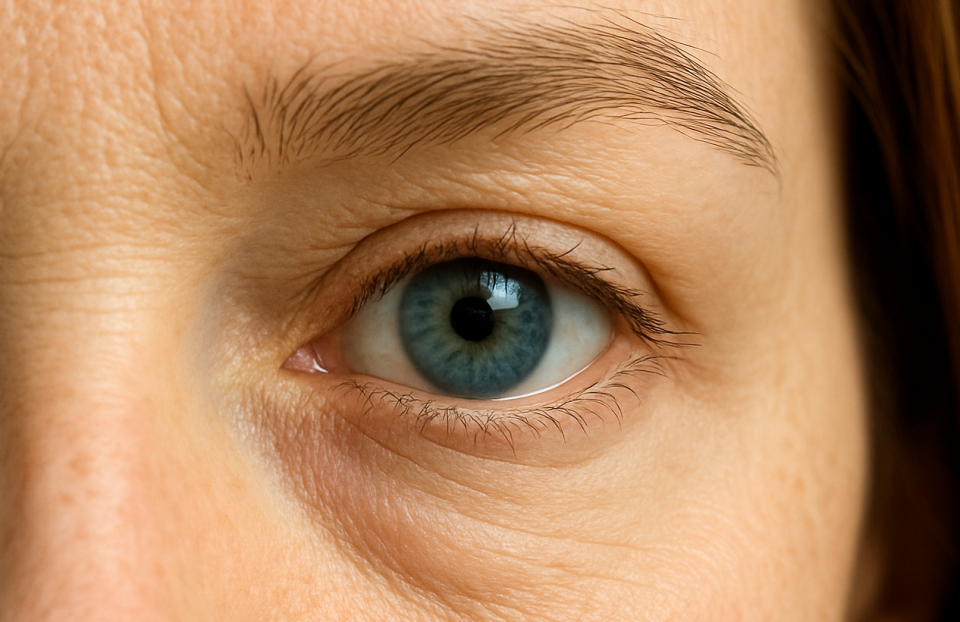
The eyes are among the most delicate and metabolically active organs in the human body. They rely heavily on oxygenation, hydration, nutrient flow, lymphatic drainage, and the cleanliness of surrounding tissues. Yet the eyes are constantly exposed to:
-
- microbes
- allergens
- biofilms
- environmental toxins
- inflammation
- oxidative stress
Over time, these hidden irritants can contribute to:
-
- dry eye
- blurry vision
- floaters
- inflammation
- eyelid congestion
- recurrent infections
- premature aging of ocular tissues
Chlorine dioxide (CD/CDS), known for its ability to selectively oxidize pathogens and biofilms while leaving healthy tissue unaltered at low concentrations, is emerging as an area of interest for supporting eye health and vision preservation, not through internal eyeball application, but through indirect pathways that reduce microbial and toxic burden affecting the eyes.
Let’s explore how CD may support ocular vitality by improving the surrounding environment that influences eye function.
- What Are the Main Causes of Vision Decline?
Most non-genetic eye problems stem from:
-
- chronic inflammation
- sinus congestion
- eyelid biofilms
- microbial imbalance
- oxidative stress
- poor circulation
- lymphatic stagnation
- environmental irritants
- metabolic waste accumulation
These factors affect not just the eyes themselves, but also the tissues surrounding them.
- Why Do Eyes Suffer From Hidden Biofilms and Microbes?
The eyes and eyelids provide an ideal environment for microbial growth:
-
- moisture
- warmth
- natural oils
- limited oxygen
- exposure to environmental debris
- touching the eyes during the day
Biofilms commonly develop:
-
- along the eyelash base
- inside the eyelid margin
- in tear ducts
- in sinus channels that drain into the eyes
These biofilms contribute to:
-
- blepharitis
- chronic styes
- meibomian gland dysfunction
- dry eye
- eye fatigue
- inflammation
- blurry vision due to tear-film irregularities
- Who Might Explore CD for Eye Health Support?
Individuals who experience:
-
- chronic dry eyes
- recurring irritation
- eyelid inflammation
- redness
- frequent styes
- allergy-like discomfort
- eye fatigue
- cloudy vision from sinus congestion
- age-related vision changes
- pressure or heaviness around the eyes
Those recovering from long-term infections or inflammation often experience ocular symptoms as part of the overall burden.
- Where Does CD Influence Eye Health?
Chlorine dioxide is not applied directly into the eyes.
Instead, CD influences multiple systems connected to ocular function:
-
- Sinus Pathways
- Sinus infections and biofilms drain into tear ducts and affect vision clarity.
- Eyelid Margins
- CD can help reduce microbial load around eyelid skin and lash follicles when used topically on surrounding tissue (not inside the eye).
- Lymphatic Drainage
- The eyes depend on a healthy lymphatic system to reduce swelling and inflammation.
- Gut Microbiome
- The gut influences inflammation throughout the body, including the eyes.
- Systemic Microbial Burden
- Lower pathogen load = less inflammatory debris reaching ocular tissues.
- Skin Around the Eyes
- Biofilm buildup here is a major cause of persistent irritation.
- Sinus Pathways
- When Does CD Become Relevant for Eye Health?
CD becomes especially interesting when vision changes appear alongside:
-
- sinus congestion
- allergies
- chronic inflammation
- fatigue
- headaches
- toxin exposure
- infection history
- biofilm-related symptoms
- aging-related dryness and irritation
CD is often explored when standard eye treatments provide temporary relief, but the underlying congestion or microbial imbalance returns.

How Chlorine Dioxide Supports Vision and Ocular Comfort
- CD Reduces Microbial Load Around the Eyes
Overgrowth of bacteria, fungi, and mites (like Demodex) contributes to eyelid inflammation.
CD helps reduce external microbial debris.
- CD Breaks Down Biofilms on the Skin and Lash Follicles
Eyelid biofilms are a major cause of dry eye and chronic redness.
Breaking biofilms allows natural oils to flow properly.
- CD Helps Reduce Sinus Biofilms
Since sinus congestion directly affects tear ducts, reducing sinus biofilm load often improves eye comfort.
- CD Lowers Systemic Inflammation
Inflammation contributes to dry eye, vision fatigue, and redness.
- CD Supports Better Oxygenation
Better tissue oxygenation allows the tear glands and surrounding muscles to function more efficiently.
- CD Improves Lymphatic Flow
Reducing debris and inflammation improves lymphatic drainage behind the eyes.
- CD Helps Clear Environmental Toxins
Cleaner tissue fields reduce stress on delicate ocular structures.
A Natural Vision Preservation Concept
Vision decline is often the result of contamination, not just age.
By reducing:
-
- biofilms
- microbes
- sinus blockages
- lymph stagnation
- inflammation
- oxidative waste
CD may help restore the conditions required for clearer, more comfortable vision by indirectly supporting the eyes through the systems that surround and influence them.

Quick How-To Guide
- Sinus Steam With Diluted CD
Never near the eyes, only for sinus mist.
- Skin Cleansing Around the Eyes
Apply a very diluted CD to the outer eyelid skin; never apply it inside the eye.
- Oral Microdosing
Supports systemic microbial reduction.
- Hydration
Improves tear-film consistency.
- Magnesium and Trace Minerals
Support nerve and ocular function.
- Reduce Sugar
Glycation damages the lens and retina.
- Gentle Lymphatic Stimulation
Helps drain toxins from behind the eyes.
Disclaimer
This article is for informational and research purposes only. It does not diagnose, treat, cure, or prevent disease. Chlorine dioxide must never be applied into the eyes. CD is not approved for internal therapeutic use by regulatory agencies. Always consult qualified professionals regarding eye or vision concerns.