Categories
Chlorine Dioxide

Chlorine Dioxide and Heavy Metals: Understanding the Detox Idea

Heavy metals are all around us. They can be found in old paint, contaminated soil, polluted water, some workplaces, certain foods, old plumbing, industrial areas, and other parts of everyday life. Some metals are useful to the human body in tiny amounts. Others, such as lead and mercury, can become harmful when exposure is high enough.
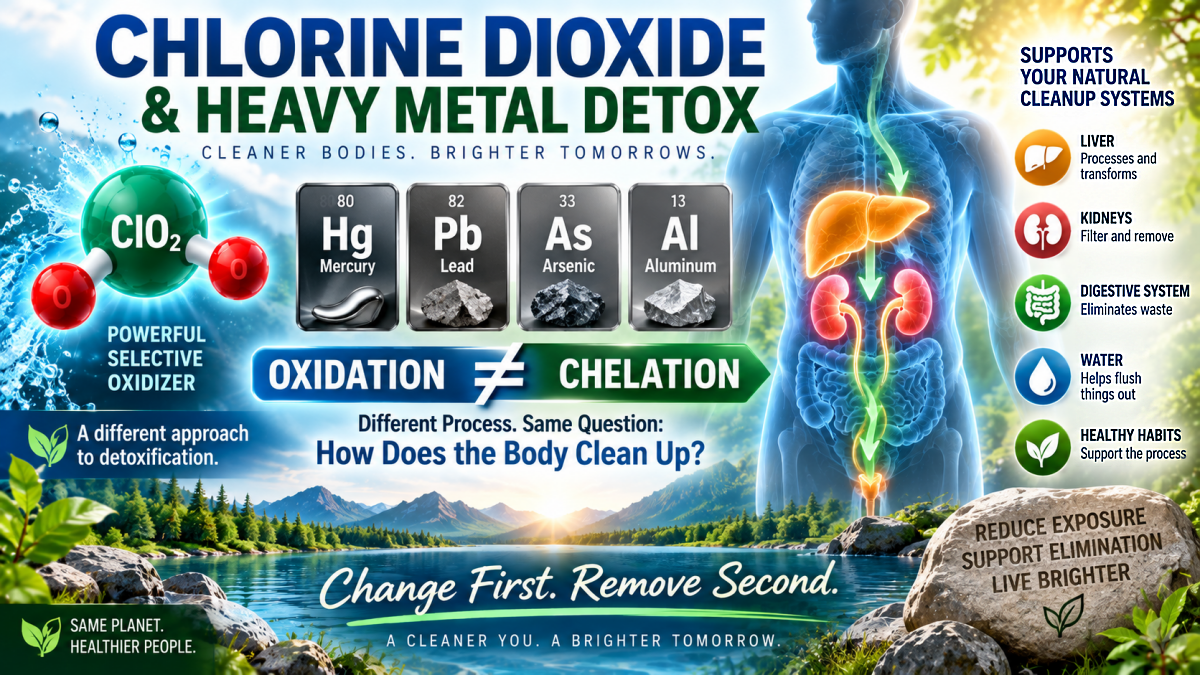
That is why many health-minded people are interested in reducing unnecessary exposure and helping the body’s natural cleanup systems do their job.

Among people who use chlorine dioxide for personal wellness, there is another interesting idea: Could chlorine dioxide also help the body deal with unwanted metals?

Many chlorine dioxide users believe it can. Let’s look at why.

First, What Is a Heavy Metal Detox?

The word detox can make something simple sound complicated. Your body is already cleaning itself every day.

The liver processes unwanted substances. The kidneys filter the blood. The digestive system carries waste out of the body. The lungs, skin, and other systems also participate in normal waste removal.

The goal of a detox program is usually to reduce exposure while supporting these natural processes.

When heavy metals are involved, however, things can become more complicated because some metals can remain in body tissues for a long time.

This is why conventional medicine sometimes uses special substances called chelating agents in cases of diagnosed heavy-metal poisoning.

Chlorine dioxide works differently.

Chlorine Dioxide Is an Oxidizer

This is one of the most important things to understand about chlorine dioxide.

Chlorine dioxide is an oxidizer.

That means it can accept electrons from certain substances and change their chemistry.

This isn’t merely something chlorine dioxide enthusiasts say. Oxidation is the reason chlorine dioxide has become useful in water treatment and other applications. The EPA describes chlorine dioxide as a chemical oxidant, and scientific reviews describe its selective reactions with microorganisms, organic compounds and some inorganic substances.

Think of oxidation as changing something chemically rather than wrapping around it and carrying it away.

That is an important difference.

Chlorine Dioxide Is Not a Traditional Chelator

People sometimes call chlorine dioxide a chelator. Technically, that probably isn’t the best description. Traditional chelators such as EDTA or DMSA bind directly to certain metals. The resulting complex can then be removed from the body.

Chlorine dioxide’s basic chemistry is different. It reacts through oxidation. So when chlorine dioxide believers talk about “heavy-metal detox,” a better description may be: oxidative support for detoxification rather than conventional chelation.

That small distinction helps explain why chlorine dioxide doesn’t behave like an ordinary chelation product.

We Already Use Oxidation to Deal With Metals in Water

Here’s where the idea becomes easier to picture. Water-treatment specialists have long used oxidation to change contaminants into forms that are easier to manage.

Chlorine dioxide is used in water treatment for purposes including iron and manganese oxidation.

Researchers have also investigated chlorine dioxide for oxidizing arsenic in contaminated water. Arsenic can exist in different chemical forms. One important water-treatment strategy is changing arsenic from one oxidation state into another that can be more easily removed by later treatment processes. Researchers have specifically studied chlorine dioxide for this purpose.

That doesn’t prove the same thing happens inside the human body. But it helps explain why chlorine dioxide users became interested in the subject in the first place.

Chlorine dioxide changes chemistry through oxidation. And changing chemistry can sometimes change what happens next.
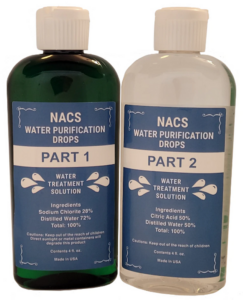
Chlorine Dioxide Kit

What Chlorine Dioxide Users Report

This is where practical experience enters the conversation. People using chlorine dioxide wellness protocols sometimes report changes they describe as “detox.”

They may describe:

  • clearer thinking
  • more energy
  • fewer headaches
  • improved sense of wellbeing
  • better digestion
  • changes in skin
  • temporary changes during their cleanup period

Some users believe these experiences result partly from reducing microorganisms, microbial waste, environmental contaminants, or accumulated substances that the body is trying to eliminate.

Heavy metals frequently appear in those discussions.

The important idea within this community is not necessarily that chlorine dioxide grabs a piece of mercury and carries it directly into the toilet.

The proposed picture is broader:

chlorine dioxide → oxidation → altered chemical environment → body’s normal detox systems → elimination

That’s considerably easier to understand.

Mercury

Mercury is probably one of the metals most commonly mentioned in detox conversations.

Possible exposure can come from several sources, depending upon the form of mercury involved.

Chlorine dioxide users report that they believe their wellness routines helped them deal with past mercury exposure. Rather than thinking of chlorine dioxide as a magnet that grabs mercury, they generally view chlorine dioxide as part of a larger oxidative cleanup process.

The body’s liver, kidneys, digestive system, and natural antioxidant systems would still have to do their jobs.

In other words: Chlorine dioxide isn’t the garbage truck.

It is thought of more as something that may help change the environment in which the cleanup takes place.

Lead

Lead is another metal people understandably want to avoid. Old paint, contaminated soil, some plumbing, and certain occupational exposures can all be sources.

The best heavy-metal strategy always begins with something wonderfully simple: Stop the exposure.

You don’t want to keep putting something into the body while simultaneously trying to get it out.

Once exposure has been identified and reduced, chlorine dioxide believers may include chlorine dioxide as one part of their broader cleanup program.

Again, the proposed role is oxidative rather than traditional chelation.

Arsenic Gives Us an Interesting Example

Arsenic is particularly interesting because chlorine dioxide has actually been studied for arsenic chemistry in water treatment.

Researchers have examined whether chlorine dioxide can oxidize arsenite, As(III), into arsenate, As(V). Changing the oxidation state can make arsenic easier for later water-treatment processes to remove.

Notice what chlorine dioxide isn’t doing. It isn’t magically making arsenic disappear. It is changing its chemistry. Then another process removes it.

That is a useful picture when thinking about the way chlorine dioxide enthusiasts approach detoxification:

Change first. Remove second.

Aluminum

Aluminum also comes up frequently in natural-health detox programs. People can encounter aluminum through food, water, occupational sources, and many everyday products.

Some chlorine dioxide users include aluminum among the substances they believe may become easier for the body to handle during a broader detoxification program.

This is another area where people sometimes combine chlorine dioxide with other wellness practices rather than expecting one product to accomplish everything.

Don’t Forget the Microbial Side

There is another possibility that makes this conversation interesting. What people call a “heavy-metal detox reaction” may not always involve metals alone.

Chlorine dioxide is widely used because of its antimicrobial properties. Its ability to inactivate microorganisms is well established in water treatment.

So someone using chlorine dioxide may believe several cleanup processes are happening at once:

  • microbial cleanup
  • changes in microbial waste
  • oxidation of reactive compounds
  • changes in the intestinal environment
  • normal liver and kidney elimination

and possibly

  • changes involving environmental contaminants

That makes the word detox much broader than simply removing mercury or lead.

Help the Body Finish the Job

One principle makes good sense, no matter which detox philosophy someone follows: The body still has to eliminate what it doesn’t need.

That means chlorine dioxide enthusiasts commonly pay attention to the basics as well.

  • Drink adequate water.
  • Eat nourishing foods.
  • Maintain normal bowel movements.
  • Get enough rest.
  • Move the body.
  • Reduce continuing exposure whenever possible.
  • Support good nutrition.

These aren’t glamorous ideas. But detoxification isn’t only about what you put into the body. It’s also about keeping the body’s normal exits working.

Don’t Confuse Chlorine Dioxide With Chlorine

This is worth repeating because the names sound similar. Chlorine dioxide is not the same substance as household chlorine bleach. Chlorine dioxide has its own chemistry and its own uses.

In water, chlorine dioxide reacts and produces substances including chlorite and chlorate. That’s one reason concentration and proper preparation matter. More isn’t automatically better.

Heavy Metals Can Be Measured

Here’s something especially useful about this subject. Heavy-metal exposure doesn’t have to remain a guessing game. When someone seriously suspects lead, mercury, arsenic, or another toxic-metal exposure, appropriate testing can sometimes establish whether an unusual exposure actually exists.

That gives the chlorine dioxide community an interesting opportunity.

Instead of relying only on: “I felt much better after detoxing,” we can also ask: “What did the measurements show?”

That could make future observations much more useful.

Chlorine Dioxide for Humans

A Simple Way to Think About It

Traditional chelation and chlorine dioxide shouldn’t be thought of as the same thing. A traditional chelator is more like a substance designed to grab onto a metal.

Chlorine dioxide is an oxidizer. Its specialty is changing chemistry.

That gives us a simple picture:

EXPOSURE

↓

REDUCE THE SOURCE

↓

OXIDATIVE CLEANUP

↓

SUPPORT THE BODY

↓

NORMAL ELIMINATION

For chlorine dioxide users, that is the heart of the heavy-metal detox idea.

Cleanup Is a Process

There probably isn’t one magic substance that handles everything the body encounters. That’s why many experienced natural-health practitioners think in terms of creating a healthier environment rather than chasing one toxin at a time.

  • Reduce what shouldn’t be coming in.
  • Give the body what it needs.
  • Keep the normal elimination pathways moving.
  • And allow time for cleanup.

Chlorine dioxide enthusiasts believe its unusual oxidative chemistry may give it a useful place in that process.

Perhaps the simplest way to say it is:

Chlorine dioxide doesn’t need to be a traditional chelator to be interesting in a detox program. Its specialty is oxidation, changing the chemical environment so the body’s own cleanup systems can do what they were designed to do.

And for people exploring heavy-metal detoxification, that makes chlorine dioxide one more interesting tool in the cleanup toolbox.

A Practical Note

Known or suspected heavy-metal poisoning—especially lead, mercury, or arsenic poisoning—is different from a general wellness “detox.” Significant exposure can cause permanent injury and can be measured and medically treated. Chlorine dioxide should not replace appropriate testing or treatment for confirmed poisoning.
 

Categories
Chlorine Dioxide

Chlorine Dioxide Health Benefits Chart in Practical Use News

Chlorine dioxide has developed a broad reputation across water treatment, sanitation, preparedness, and wellness discussions. While its most established uses remain in water purification and industrial sanitation, some people also discuss chlorine dioxide in broader lifestyle and wellness contexts.

It is important to distinguish between established purification applications and health-related claims that may not be supported by regulatory authorities or clinical evidence.

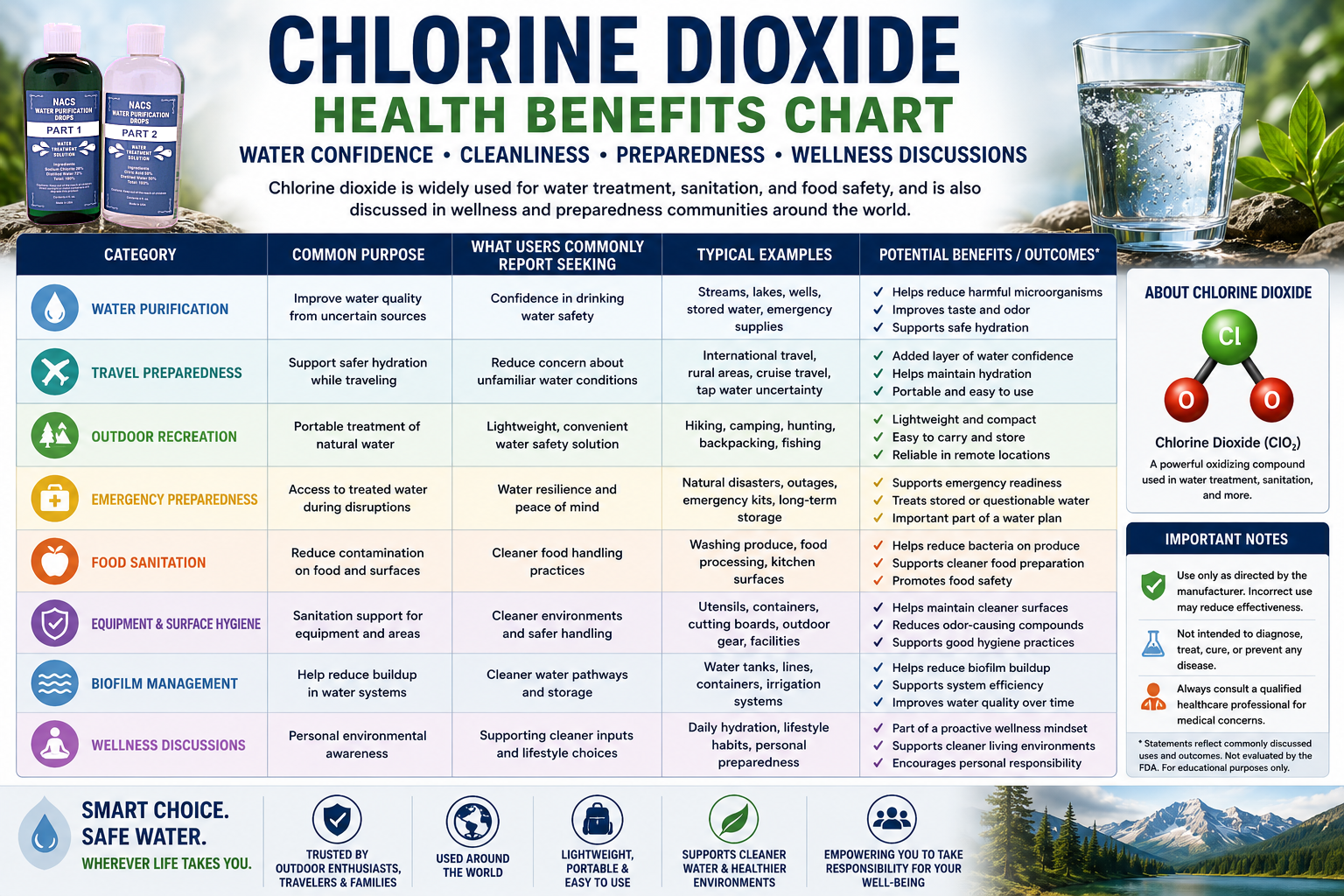
This chart organizes commonly discussed categories and the reasons people typically mention chlorine dioxide within those areas.

DIY Chlorine Dioxide Kit

Chlorine Dioxide Uses & Reported Benefit Categories

Category Common Purpose What Users Commonly Report Seeking Typical Example
Water Purification Improve water quality Confidence in drinking water from uncertain sources Camping, travel, emergency water
Travel Preparedness Support safer hydration choices abroad Reduce concern about unfamiliar water conditions International travel
Outdoor Recreation Portable treatment of natural water Lightweight preparedness Hiking, hunting, backpacking
Emergency Preparedness Access to treated water during disruption Water resilience planning Storms, outages, disasters
Taste & Odor Reduction Improve sensory quality of water Better taste and smell Stored or source water
Food Sanitation Reduce contamination on produce and surfaces Cleaner food handling practices Washing fruits and vegetables
Equipment & Surface Hygiene Sanitation support Cleaner handling environments Food prep and outdoor gear
Biofilm Management Help reduce buildup in certain systems Cleaner water pathways Water containers and lines
General Wellness Discussions Personal environmental awareness Supporting cleaner inputs Preparedness and lifestyle conversations

Expanded Category Overview

  1. Water Confidence & Hydration Support

Many people encounter chlorine dioxide through portable water treatment products. The goal is generally straightforward: improve confidence when water quality is uncertain.

Example scenarios:

    • Filling bottles from a mountain stream
    • International travel
    • Emergency storage water
  1. Outdoor Performance & Preparedness

Backpackers and outdoors enthusiasts often value chlorine dioxide because it is:

    • Lightweight
    • Compact
    • Shelf-stable
    • Easy to carry

Example scenarios:

    • Multi-day hiking
    • Hunting camps
    • Remote recreation
  1. Food & Environmental Cleanliness

Chlorine dioxide systems are also used in sanitation environments.

Examples:

    • Produce washing
    • Surface sanitation
    • Food preparation systems
    • Water line maintenance

Understanding the Difference Between Purification and Medical Claims

One reason chlorine dioxide receives so much attention is that people sometimes blend together three different conversations:

  1. Established water purification uses
  2. Food and environmental sanitation uses
  3. Personal wellness discussions and anecdotal experiences

Those categories are not interchangeable.

Water treatment and sanitation uses are well established. Health-treatment claims should be evaluated carefully and discussed with qualified professionals.

Chlorine Dioxide for Humans

Personal Maladies

While not recommended as an alternative to traditional health care, the following maladies appear in Chlorine Dioxide for Humans: Recipes and Treatment by Herb Roi Richards:

Autoimmune & Immune Disorders

  • Autoimmune Disorders
  • Graves’ Disease
  • Hashimoto’s Thyroiditis
  • Lupus
  • Multiple Sclerosis (MS)
  • Psoriatic Arthritis
  • Rheumatoid Arthritis
  • Sarcoidosis
  • Scleroderma
  • Sjögren’s Syndrome
  • Systemic Lupus Erythematosus (SLE)
  • Vasculitis (e.g., Takayasu’s Arteritis, Giant Cell Arteritis)

Blood & Lymphatic Disorders

  • Leukemia
  • Non-Hodgkin Lymphoma

Bone & Skeletal Disorders

  • Bone Fractures (Traumatic and Fragility-Related)
  • Fibrous Dysplasia
  • Kyphosis (Rounded Back)
  • Osteogenesis Imperfecta (Brittle Bone Disease)
  • Osteonecrosis (Bone Death)
  • Osteopenia
  • Osteopetrosis (Marble Bone Disease)
  • Osteoporosis
  • Paget’s Disease of Bone
  • Scoliosis
  • Spina Bifida
  • Spinal Stenosis

Cancer

  • Bladder Cancer
  • Brain Tumors
  • Breast Cancer
  • Cervical Cancer
  • Colorectal Cancer
  • Endometrial (Uterine) Cancer
  • Esophageal Cancer
  • Gynecologic Cancers
  • Kidney (Renal Cell) Cancer
  • Liver Cancer
  • Lung Cancer
  • Melanoma
  • Pancreatic Cancer
  • Prostate Cancer
  • Testicular & Penile Cancer
  • Throat Cancer
  • Thyroid Cancer

Cardiovascular Disorders

  • Arrhythmias (Irregular Heartbeats)
  • Arteriosclerosis (Hardening of the Arteries)
  • Cardiomyopathy
  • Cerebrovascular Disease
  • Congenital Heart Defects
  • Coronary Artery Disease (CAD)
  • Familial Hypercholesterolemia
  • Heart Attack (Myocardial Infarction)
  • Heart Failure
  • High Blood Pressure (Hypertension)
  • High Cholesterol
  • Hyperlipidemia
  • Peripheral Artery Disease (PAD)
  • Pulmonary Embolism
  • Stroke (Cerebrovascular Accident)
  • Valvular Heart Disease
  • Varicose Veins
  • Venous Thromboembolism (VTE)

Dental & Oral Health

  • Dental Issues
  • Tooth Infections & Abscesses
  • Wound Care & Infection Prevention

Digestive & Gastrointestinal Disorders

  • Digestive Issues (IBS, Bloating, Gastritis)
  • Dysphagia (Difficulty Swallowing)
  • Food Poisoning
  • Hepatitis

Ear, Nose & Throat (ENT)

  • Choesteatoma
  • Deviated Septum
  • Ear Infections
  • Epistaxis (Nosebleeds)
  • Laryngitis
  • Loss of Smell (Anosmia)
  • Nasal Polyps
  • Otitis Externa (Swimmer’s Ear)
  • Otitis Media (Middle Ear Infection)
  • Pharyngitis
  • Ruptured Eardrum
  • Sinus Infection (Sinusitis)
  • Sinusitis
  • Strep Throat
  • Tinnitus
  • Tonsillitis
  • Vertigo & Meniere’s Disease

Endocrine & Hormonal Disorders

  • Addison’s Disease (Adrenal Insufficiency)
  • Adrenal Fatigue
  • Adrenal Tumors
  • Congenital Adrenal Hyperplasia
  • Cushing’s Disease
  • Hyperparathyroidism
  • Hyperthyroidism (Overactive Thyroid)
  • Hypoglycemia
  • Hypoparathyroidism
  • Hypothyroidism (Underactive Thyroid)
  • Melatonin Imbalance (Linked to Sleep Disorders)
  • Menopause-Related Hormone Imbalance
  • Prolactinoma
  • Thyroid Nodules

Eye Disorders

  • Cataracts
  • Conjunctivitis (Pink Eye)
  • Diabetic Retinopathy
  • Dry Eye Syndrome
  • Glaucoma
  • Macular Degeneration
  • Refractive Errors

Fatigue, Wellness & General Health

  • Brain Fog
  • Chemical Sensitivity
  • Chronic Fatigue
  • Chronic Illness
  • Environmental Sensitivities
  • Fatigue
  • Heavy Metal Toxicity
  • Incurable Disease
  • Neuro-Cognitive Difficulties (Brain Fog)
  • New-Onset Fatigue
  • Sleep Apnea
  • Sleep Apnea & Fatigue
  • Sleep Disorders
  • Stress & Fatigue (Systemic Toxic Load)
  • Unexplained Illnesses

Genetic & Congenital Disorders

  • Cystic Fibrosis
  • Glycogen Storage Diseases
  • Maple Syrup Urine Disease
  • Marfan Syndrome
  • Mitochondrial Disorders
  • Muscular Dystrophy
  • Osteogenesis Imperfecta (Brittle Bone Disease)
  • Spina Bifida
  • Spinal Muscular Atrophy (SMA)

Infectious Diseases

  • Amebiasis
  • Chagas Disease (American Trypanosomiasis)
  • Chlamydia
  • Cold & Flu
  • COVID-19
  • Coxsackie B Virus
  • E. coli
  • Giardiasis
  • HIV / AIDS
  • Influenza
  • Leishmaniasis
  • Lyme Disease & Co-Infections
  • Malaria
  • MRSA (Methicillin-Resistant Staph)
  • Parasitic Infections
  • Respiratory Infections & Pneumonia
  • Schistosomiasis
  • Sexually Transmitted Infections (STIs)
  • Sleeping Sickness (African Trypanosomiasis)
  • Strongyloidiasis
  • Tuberculosis (TB)
  • Urinary Tract Infection (UTI)

Kidney & Urinary Disorders

  • Hematuria (Blood in Urine)
  • Hydronephrosis
  • Interstitial Cystitis (Bladder Pain Syndrome)
  • Kidney Stones
  • Vesicoureteral Reflux

Men’s Health

  • Benign Prostatic Hyperplasia (BPH)
  • Erectile Dysfunction (ED)
  • Low Sperm Count & Abnormal Sperm
  • Male Hypoactive Sexual Desire Disorder
  • Prostatitis

Mental Health & Neurological Disorders

  • Alzheimer’s Disease
  • ALS (Lou Gehrig’s Disease)
  • Anxiety
  • Autism Spectrum Condition
  • Bell’s Palsy
  • Bipolar Disorder
  • Dementia
  • Depression
  • Epilepsy
  • Myasthenia Gravis
  • Neurogenic Diseases
  • Parkinson’s Disease
  • Peripheral Neuropathy
  • Post-Traumatic Stress Disorder (PTSD)
  • Schizophrenia
  • Traumatic Brain Injury (TBI)

Metabolic Disorders

  • Cystic Fibrosis-Related Diabetes
  • Diabetes – Type 1
  • Diabetes – Type 2
  • Gestational Diabetes
  • Insulin Resistance
  • Lactic Acidosis
  • Metabolic Syndrome
  • Obesity
  • Prediabetes

Muscle, Joint & Pain Disorders

  • Aches and Pains
  • Acute Injuries (e.g., Ligament Tears)
  • Arthritis
  • Back Pain
  • Bursitis
  • Carpal Tunnel Syndrome
  • Chronic Injuries (e.g., Repetitive Strain Injuries)
  • Fibromyalgia
  • Gout
  • Herniated Disc
  • Low Back Pain
  • Myositis
  • Neck Pain
  • Osteoarthritis
  • Psoriasis
  • Sarcopenia (Age-Related Muscle Loss)
  • Sciatica
  • Soft-Tissue Injuries (Sprains, Strains)
  • Spondyloarthritis
  • Tendinitis
  • Tennis Elbow (Lateral Epicondylitis)

Respiratory Disorders

  • Allergic Rhinitis
  • Allergies
  • Asthma
  • Bronchiectasis
  • Bronchitis
  • Chronic Obstructive Pulmonary Disease (COPD)
  • Cystic Fibrosis
  • Emphysema
  • Pneumonia
  • Pulmonary Fibrosis

Skin, Hair & Nails

  • Acne
  • Athlete’s Foot
  • Baldness
  • Burns
  • Candida Overgrowth
  • Dandruff
  • Demodex Mites
  • Eczema & Psoriasis
  • Fleas and Ticks
  • Fungal Nail Infections
  • Ringworm
  • Scabies
  • Skin Infections (Staph, MRSA)
  • Skin Problems
  • Warts
  • Yeast & Fungal Infections

Women’s Health

  • Bacterial Vaginitis (BV)
  • Endometriosis
  • Female Sexual Interest/Arousal Disorder (FSIAD)
  • Infertility
  • Menstrual Disorders
  • Polycystic Ovary Syndrome (PCOS)
  • Pregnancy Complications
  • Uterine Fibroids

Cross-Reference Entries (Not Diseases)

  • Nose Bleed – See Epistaxis
  • Smell – See Loss of Smell
  • Sore Throat – See Pharyngitis

As with all medical concerns, check with your medical provider(s) first.

Chlorine Dioxide’s Reputation

For most users, chlorine dioxide remains less about chasing a miracle and more about practical preparedness—having an option available when water quality, travel conditions, or sanitation confidence become uncertain.

Its strongest reputation continues to come from helping people think ahead, travel prepared, and maintain cleaner water practices wherever life takes them.

Resources

Water Treatment & Drinking Water

  • U.S. Environmental Protection Agency (EPA). Alternative Disinfectants and Oxidants Guidance Manual. EPA 815-R-99-014.
  • U.S. Environmental Protection Agency (EPA). National Primary Drinking Water Regulations.
  • U.S. Environmental Protection Agency (EPA). Technical Fact Sheet: Chlorine Dioxide.

Drinking Water Standards

  • World Health Organization. Guidelines for Drinking-water Quality.
  • World Health Organization. Chemical Fact Sheets: Chlorine Dioxide and Chlorite.

Food Safety & Produce Sanitation

  • U.S. Food and Drug Administration. Food Code.
  • U.S. Department of Agriculture. Food Safety and Inspection Service (FSIS).
  • U.S. Department of Agriculture. Guidance on produce handling and food sanitation.

Scientific Literature

  • National Center for Biotechnology Information. Chlorine dioxide antimicrobial research.
  • PubMed. Peer-reviewed publications concerning chlorine dioxide, water disinfection, food sanitation, and microbial control.

Water Industry References

  • American Water Works Association. Water treatment manuals and chlorine dioxide guidance.
  • Water Research Foundation. Drinking water treatment studies.

International Standards

  • Centers for Disease Control and Prevention. Safe drinking water guidance for travelers and emergency preparedness.
  • United Nations Children’s Fund. Safe water and sanitation resources.
  • WaterAid. Water, sanitation, and hygiene (WASH) educational materials.

Waterborne Pathogens

  • Centers for Disease Control and Prevention. Information on waterborne diseases, including bacteria, viruses, and protozoa commonly addressed by water treatment technologies.
  • World Health Organization. Drinking water safety and pathogen reduction.

General Chemistry References

  • National Institute of Standards and Technology. Chemical properties of chlorine dioxide.
  • American Chemical Society. Educational chemistry resources.

Additional Educational Resources

  • Environmental Protection Agency. Emergency drinking water guidance.
  • Federal Emergency Management Agency. Emergency water preparedness recommendations.
  • American Red Cross. Household emergency water storage and purification guidance.