Categories
Chlorine Dioxide

Musculoskeletal Wellness Chlorine Dioxide DMSO and Magnesium

Over the last several decades, communities interested in self-directed wellness have repeatedly discussed three unusual substances together:

  • chlorine dioxide
  • DMSO (dimethyl sulfoxide)
  • liquid magnesium (especially ocean-sourced magnesium)
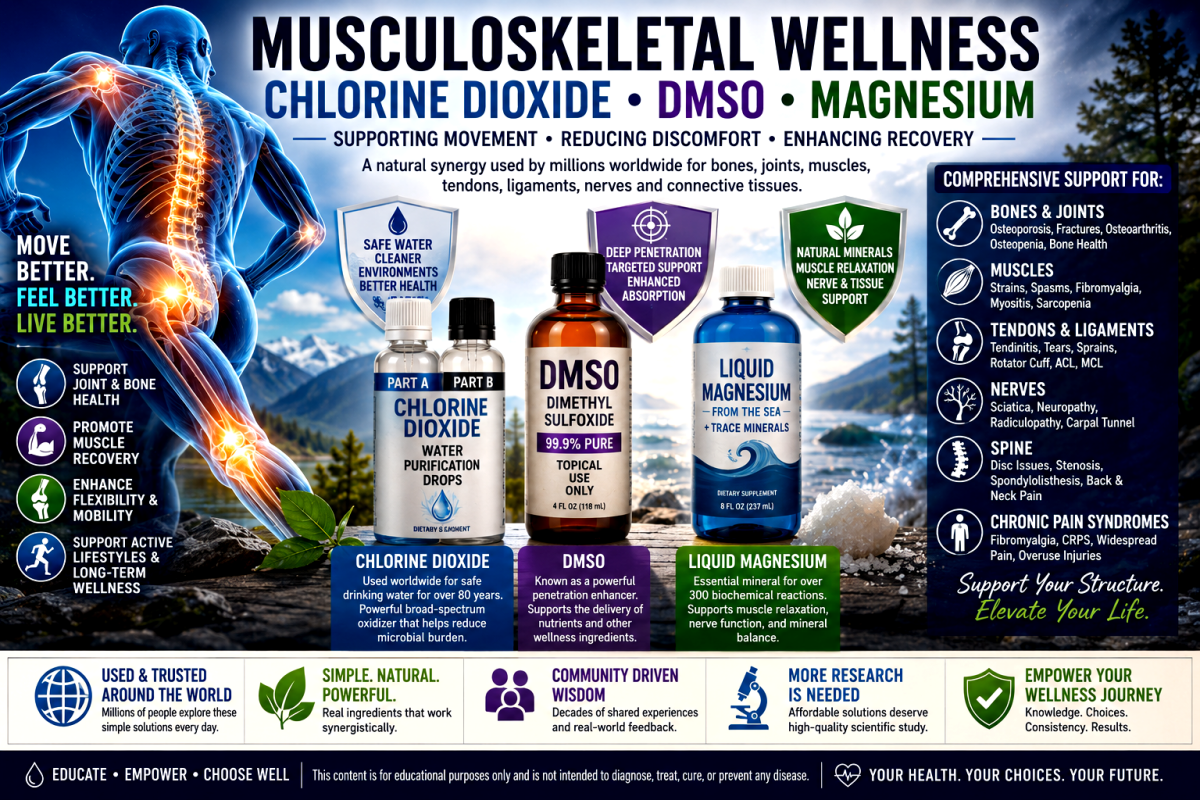
Supporters describe these as a complementary trio that they believe may support comfort, movement, recovery, tissue function, and overall musculoskeletal resilience. These discussions are broad.

They range from simple soreness and repetitive strain to chronic pain conditions and structural disorders involving:

  • bones
  • joints
  • muscles
  • tendons
  • ligaments
  • nerves
  • connective tissue

Thirty years ago, conversations surrounding these approaches were largely experimental and observational. There was very little formal research directly examining these combinations. As interest grew, people developed countless variations, routines, and application methods.

What emerged was not a standard protocol. What emerged was a large collection of personal reports. Whether those reports ultimately prove meaningful or not, they created enough continuity that many supporters continue calling for additional research.
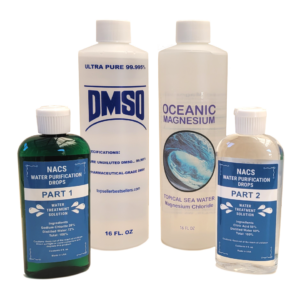
Chlorine Dioxide Musculoskeletal Kit

Supporters commonly organize musculoskeletal concerns into several broad categories.

  1. Bone Conditions

Examples often mentioned include:

    • bone cysts
    • bone tumors (benign and malignant discussions)
    • fragility fractures
    • osteogenesis imperfecta
    • osteomyelitis discussions
    • osteonecrosis
    • osteopenia
    • osteoporosis
    • Paget’s disease of bone
    • stress fractures
    • traumatic fractures
  1. Joint Conditions

Degenerative

    • degenerative joint disease
    • facet joint arthropathy
    • osteoarthritis

Inflammatory / Autoimmune

    • ankylosing spondylitis
    • gout
    • juvenile idiopathic arthritis
    • pseudogout
    • psoriatic arthritis
    • reactive arthritis
    • rheumatoid arthritis
    • spondyloarthritis

Mechanical / Structural

    • bursitis
    • hypermobility discussions
    • labral tears
    • meniscal injuries
    • synovitis
  1. Muscle Conditions
    • fibromyalgia
    • cramps and spasms
    • muscle strain
    • muscular dystrophy discussions
    • myofascial pain
    • myositis discussions
    • sarcopenia
  1. Tendon Conditions
    • Achilles tendon concerns
    • De Quervain’s discussions
    • golfer’s elbow
    • patellar tendon concerns
    • rotator cuff issues
    • tendinitis / tendinosis
    • tennis elbow
    • trigger finger
  1. Ligament Conditions
    • ACL / PCL / MCL / LCL injuries
    • chronic ligament laxity
    • shoulder instability
    • sprains
    • whiplash-related conditions
  1. Spine Conditions

Mechanical

    • low back pain
    • neck pain
    • thoracic pain

Structural

    • compression fractures
    • degenerative disc disease
    • disc herniation
    • scoliosis
    • spinal stenosis
    • spondylolisthesis

Inflammatory

    • ankylosing spondylitis
    • axial spondyloarthritis
  1. Nerve Compression Discussions
    • carpal tunnel
    • cubital tunnel
    • radiculopathy
    • sciatica
    • thoracic outlet discussions
  1. Connective Tissue and Systemic Conditions
    • Ehlers–Danlos discussions
    • mixed connective tissue disease
    • polymyalgia rheumatica
    • scleroderma
    • systemic lupus discussions
    • vasculitis with musculoskeletal involvement
  1. Widespread Pain Syndromes
    • chronic neck pain
    • chronic low back pain
    • complex regional pain syndrome
    • fibromyalgia
    • shoulder and hip pain syndromes
  1. Overuse and Repetitive Stress
    • bursitis
    • IT band concerns
    • plantar fascia discussions
    • shin splints
    • repetitive tendon irritation
  1. Pediatric Musculoskeletal Conditions
    • developmental hip concerns
    • juvenile arthritis
    • scoliosis
    • growth-related orthopedic conditions
  1. Amputation and Recovery Discussions
    • phantom limb pain
    • prosthetic adaptation
    • surgical and traumatic recovery discussions

Why These Three Substances Keep Appearing Together

Supporters generally describe three different roles.
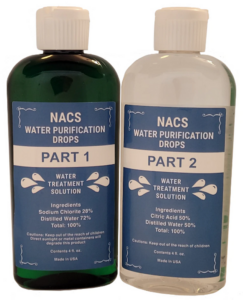
Chlorine Dioxide 2-Part Kit

Chlorine Dioxide → Environmental and Internal Burden Discussions

Chlorine dioxide is widely recognized for water purification and sanitation. Many wellness communities became interested in it because of its reputation for reducing microbial burden in environmental settings.

Two-part systems became especially popular because the active compound is created only when needed.

Supporters often appreciate:

  • portability
  • long storage life before activation
  • simple field preparation
  • use in emergency and outdoor settings

Community discussions frequently describe very small diluted preparations and individualized experimentation, though there is no standardized or clinically established protocol for musculoskeletal conditions.
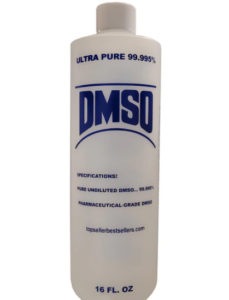
DMSO – 16 oz

DMSO → Delivery and Penetration Discussions

DMSO has a long history of interest because of its unusual transport properties.

Supporters frequently discuss DMSO in relation to:

  • topical wellness routines
  • tissue penetration
  • localized application strategies

People commonly emphasize:

  • clean application surfaces
  • allowing time before applying additional products
  • avoiding contamination during use
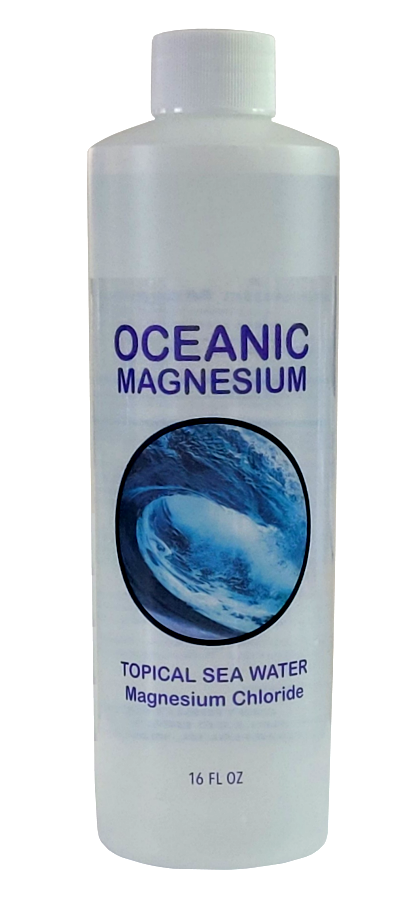
Oceanic Magnesium

Liquid Magnesium → Structural Support Discussions

Magnesium remains one of the most frequently discussed minerals in wellness circles.

Supporters are interested in magnesium because of its role in:

  • muscle function
  • nerve signaling
  • tissue relaxation
  • mineral balance

Topical magnesium (“magnesium oil”) is popular because users believe it offers a different experience than oral supplementation.

Ocean-sourced magnesium is especially favored among some groups because it contains additional naturally occurring minerals.

The General Pattern People Describe

Although approaches vary dramatically, supporters often describe recurring themes:

Category What Supporters Commonly Focus On
Chlorine dioxide sanitation and microbial discussions
DMSO topical transport discussions
Magnesium muscle and mineral support
Combined approaches layering multiple wellness strategies

No universal approach exists.

People often adjust based on:

  • personal tolerance
  • comfort
  • goals
  • lifestyle
  • observed experience

Why Research Remains Limited

Supporters often express frustration that inexpensive substances receive less direct investigation than patentable products.

Clinical research requires:

  • funding
  • standardized manufacturing
  • controlled trials
  • publication review

Without those systems, much discussion remains observational. That does not automatically validate or invalidate observations. It simply means evidence quality varies.

Chlorine Dioxide for Humans

Musculoskeletal health is rarely one-dimensional. Movement. Recovery. Inflammation. Nutrition. Mechanical stress. Lifestyle. All interact.

The continued interest in chlorine dioxide, DMSO, and liquid magnesium may say less about miracle solutions and more about something simpler: People continue searching for ways to feel stronger, move easier, and remain active longer.

That curiosity continues. And where curiosity continues, research questions usually follow.


Disclaimer

This article summarizes observations, discussions, and anecdotal reports found within wellness communities and is not medical advice. References to chlorine dioxide, DMSO, and liquid magnesium should not be interpreted as treatment recommendations for musculoskeletal disorders. Individuals should consult qualified healthcare professionals regarding diagnosis, treatment, rehabilitation, medications, and supplement decisions.

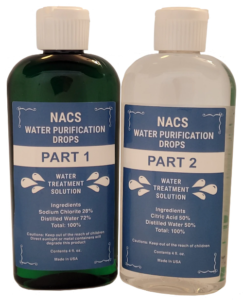
 

Categories
Chlorine Dioxide

Using Chlorine Dioxide, Magnesium Chloride, and Baking Soda for Health

The combination of chlorine dioxide (ClO₂), magnesium chloride, and baking soda (sodium bicarbonate) has garnered attention for its potential in addressing various health concerns. Each substance has unique properties that support health. When used together in a complementary protocol, they may enhance the body’s ability to recover from illnesses, improve overall well-being, and address specific health issues. Below is a comprehensive exploration of their applications, potential benefits, and recommended protocols.

Chlorine Dioxide (ClO₂): The Oxidative Antimicrobial Agent

Properties and Benefits

Chlorine dioxide is a powerful oxidant known for its antimicrobial properties. It works by disrupting the cellular membranes of pathogens such as bacteria, viruses, and fungi, effectively neutralizing them. Its ability to work across a wide pH range and its selective oxidation mechanism make it an effective tool for combating infections.

Health Issues Addressed

  1. Infections: Effective against Escherichia coli, Salmonella, and even viruses like influenza and HIV.
  2. Chronic Conditions: Anecdotal reports suggest benefits in managing Lyme disease and autoimmune conditions.
  3. Detoxification: Helps neutralize environmental toxins and microbial pathogens in the body.

Recommended Protocol

  • Start with a low concentration: Dilute a 2-part chlorine dioxide solution (activated) to achieve a concentration of 1–3 drops in 4–8 oz of water.
  • Timing: Take it on an empty stomach 30–60 minutes before meals, up to 2–3 times daily.
  • Precautions: Use only pharmaceutical-grade solutions and follow guidelines to avoid high doses, as overuse can lead to irritation or nausea.
Chlorine Dioxide for Humans Book

Magnesium Chloride: The Cellular Energizer

Properties and Benefits

Magnesium chloride also known as Oceanic Magnesium is a bioavailable form of magnesium essential for over 300 enzymatic reactions in the body. It supports muscle function, nerve transmission, and energy production, and is crucial for maintaining a healthy immune response.

Health Issues Addressed

  1. Muscle Cramps and Fatigue: Improves muscle relaxation and reduces spasms.
  2. Cardiovascular Health: Regulates blood pressure and supports heart function.
  3. Neurological Support: Aids in reducing migraines, improving mood, and promoting better sleep.
  4. Bone Health: Facilitates calcium absorption and strengthens bones.

Recommended Protocol

  • Oral Use: Dissolve ½ teaspoon of magnesium chloride in a glass of water and drink once or twice daily.
  • Topical Use: Apply magnesium oil (a solution of magnesium chloride and water) to the skin for rapid absorption, particularly on sore muscles or joints.
  • Bath Soak: Add 1–2 cups of magnesium chloride flakes to a warm bath for 20–30 minutes to promote relaxation and relieve muscle tension.

Baking Soda (Sodium Bicarbonate): The Alkalizer

Properties and Benefits

Baking soda is a natural alkalizing agent that helps neutralize excess acid in the body. It also supports kidney function, improves metabolic processes, and enhances the body’s detoxification capabilities.

Health Issues Addressed

  1. Acidosis: Helps restore pH balance in conditions like metabolic acidosis.
  2. Digestive Issues: Relieves heartburn, acid reflux, and indigestion.
  3. Kidney Support: Reduces the burden on kidneys by neutralizing acidic waste.
  4. Urinary Tract Infections (UTIs): Alkalizes urine, making it less hospitable to bacterial growth.

Recommended Protocol

  • Oral Use: Mix ½ teaspoon of baking soda in a glass of water and drink once daily, preferably in the morning on an empty stomach.
  • Topical Use: Add 1 cup of baking soda to a warm bath to soothe skin irritations and promote detoxification.
  • Precautions: Avoid excessive use, as over-alkalization can interfere with natural bodily processes.

Synergistic Protocol for Common Health Issues

  1. General Detoxification
  • Morning: Take a glass of water with ½ teaspoon of baking soda to alkalize the body.
  • Midday: Use a chlorine dioxide solution (1–3 drops activated) diluted in water to neutralize pathogens.
  • Evening: Take magnesium chloride orally or use a magnesium oil spray to support relaxation and detox.
  1. Chronic Fatigue Syndrome (CFS)
  • Daily: Magnesium chloride orally (½ teaspoon in water twice daily) to boost energy production.
  • Alternate Days: Use chlorine dioxide to reduce microbial load (1–2 drops activated in water).
  • As Needed: Baking soda (½ teaspoon in water) to reduce acidosis and improve cellular function.
  1. Respiratory Infections (e.g., Cold, Flu)
  • Every 4–6 Hours: Inhale steam from hot water with 1–2 drops of chlorine dioxide for respiratory disinfection.
  • Twice Daily: Magnesium chloride orally to enhance immune function and reduce inflammation.
  • As Needed: Baking soda (½ teaspoon in water) to soothe inflammation and maintain pH balance.
  1. Autoimmune Conditions
  • Morning: Baking soda (½ teaspoon in water) to combat inflammation and support detoxification.
  • Twice Daily: Magnesium chloride (oral or topical) to reduce stress on the immune system.
  • Alternate Days: Chlorine dioxide (1–3 drops in water) to manage microbial imbalances.
  1. Emergency Use for Infections
  • Acute Phase: Chlorine dioxide every hour (1 drop in water) for up to 8 hours, then reduce to 3 times daily.
  • Supportive Therapy: Magnesium chloride twice daily to support immune response and reduce fatigue.
  • pH Balance: Baking soda once daily to prevent metabolic acidosis.

Safety and Precautions

  1. Chlorine Dioxide: Only use pharmaceutical-grade products. Never exceed recommended doses, and discontinue use if adverse effects occur.
  2. Magnesium Chloride: Monitor for signs of magnesium excess, such as diarrhea or low blood pressure.
  3. Baking Soda: Prolonged use can disrupt natural pH levels and should be avoided by those on low-sodium diets or with kidney disease.

Always consult with a healthcare professional before starting any new protocol, especially if you have pre-existing medical conditions or are taking medications.

The combination of chlorine dioxide, magnesium chloride, and baking soda offers a holistic approach to addressing a range of health issues. Each substance has unique benefits, and their complementary actions can help detoxify the body, support the immune system, and improve overall well-being. When used safely and according to guidelines, these natural compounds can be powerful tools for health maintenance and recovery.