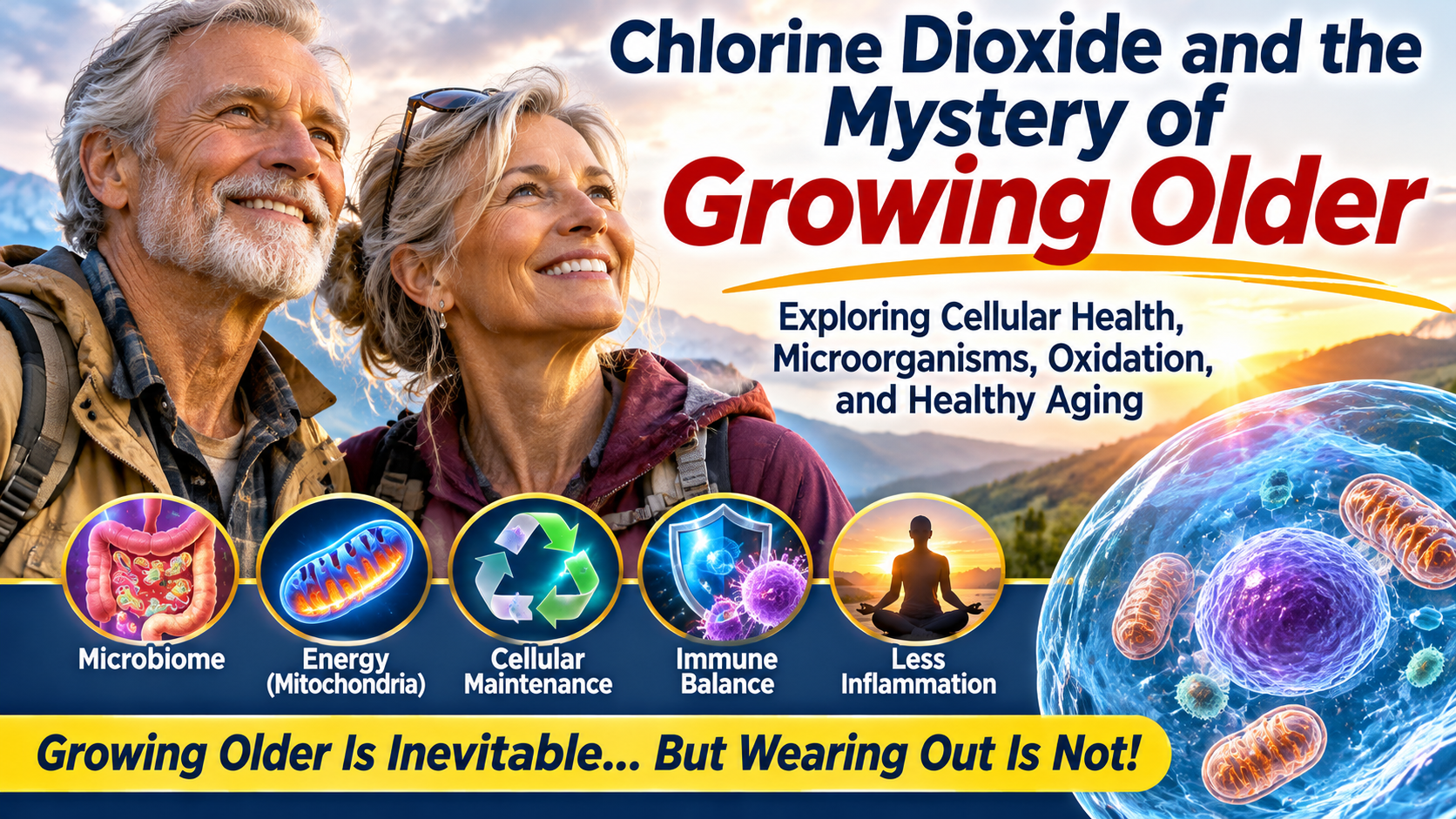
What if growing older and wearing out were two different things? We all grow older. There isn’t much we can do about the number of candles on our birthday cake. But how well our bodies hold up over the years is another matter altogether. Some people are old at 50, while others are still dancing, gardening, traveling, and enjoying life well into their 90s. What makes the difference?
Certainly, our genes have something to do with it. So do the foods we eat, the air we breathe, the quality of our sleep, our physical activity, and even the people we spend time with.
But there is another interesting part of the aging puzzle that deserves attention: the biological environment in which our cells live.
Your Body Is a Community
You might think of your body as a collection of human cells, but you are also home to trillions of microorganisms.
Some help you digest your food. Others produce useful nutrients, communicate with your immune system, and help protect you from unwanted visitors.
As we grow older, this community can change. Our digestive systems may work differently. Our immune systems may become less efficient. Low-level inflammation can become more common.
Scientists have even come up with a word for the chronic inflammation associated with aging. They call it inflammaging.
It is a little like having a smoke alarm that never quite shuts off. Your body spends time and energy responding to signals that keep telling it something is wrong.
This is one reason researchers are becoming increasingly interested in the relationship between our microscopic companions and how well we age.
The Body Has Its Own Maintenance Crew
Every day, your body performs an incredible number of maintenance tasks without asking for your permission.
It repairs damaged tissue, replaces worn-out cells, breaks down unwanted materials, fights infections, and recycles cellular components.
One of these natural processes is called autophagy. Think of it as your body’s internal recycling program. Cells break down certain damaged or unwanted parts and reuse some of the materials.
Another important process involves mitochondria, the tiny structures inside your cells that help turn food into usable energy.
These maintenance and energy systems can become less efficient as we grow older.
Imagine living in a house for 90 years. How well that house holds up depends, in part, on how well it is maintained.
Your body is considerably more complicated than a house, but the importance of maintenance is much the same.
Where Does Chlorine Dioxide Enter the Conversation?
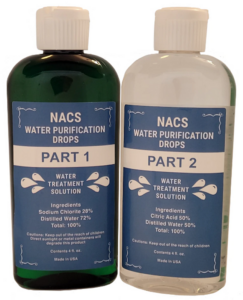
Chlorine dioxide has been used for generations in water treatment, industrial sanitation, and the control of microorganisms.
Its ability to react with certain biological materials has also attracted the attention of people interested in natural health and longevity.
There are personal accounts from individuals who associate chlorine dioxide use with increased energy, improved mental clarity, better mobility, or a greater sense of well-being.
These experiences help explain why chlorine dioxide has entered the anti-aging conversation.
But feeling younger and reversing biological aging are not necessarily the same thing.
A person who finally gets a good night’s sleep after years of sleeping poorly may feel ten years younger. Someone who resolves a longstanding digestive problem may suddenly have the energy to enjoy life again.
These improvements can be meaningful without actually turning back the biological clock.
There is currently no reliable human clinical evidence that taking chlorine dioxide reverses aging or extends human life.
The Oxidation Puzzle
Here is where things get particularly interesting.
For years, we have heard about antioxidants and their importance in protecting our cells. We are encouraged to eat antioxidant-rich foods to help protect ourselves from oxidative damage.
Chlorine dioxide, on the other hand, is an oxidant.
How can oxidation be useful in one situation and harmful in another?
Think about your immune system. Some of your own immune cells produce highly reactive substances to help destroy invading microorganisms.
Your body uses oxidation as one of its natural tools.
At the same time, uncontrolled oxidation can damage proteins, cell membranes, and DNA.
Location, concentration, timing, and the substances involved all make a difference. The fact that our bodies use certain oxidants does not mean that introducing an outside oxidant will produce the same benefits.
This is an important distinction when considering chlorine dioxide and aging. Its established ability to oxidize biological materials outside the body does not establish that it can safely improve the body’s internal maintenance systems.
What If We Focused on the Things That Age Us?
Rather than searching for a magical substance that makes us younger, perhaps we should spend more time looking at the things that cause us to wear out prematurely.
Consider some of the burdens we may accumulate over a lifetime:
- Chronic inflammation
- Poor-quality sleep
- Environmental pollutants
- Nutritional deficiencies
- Long-term emotional stress
- Repeated infections
- Loss of muscle mass
- Metabolic problems
- Changes in the gut microbiome
- Physical inactivity
Each of these can influence how well we function as we grow older.
Reducing even a few of these burdens may make a noticeable difference in the quality of our lives.
Chlorine dioxide already has an established role in certain external sanitation and water treatment applications. Access to safe drinking water and reduced exposure to infectious contaminants can help protect human health throughout a lifetime.
That is a legitimate connection between chlorine dioxide and healthy aging, even though it is quite different from the idea of taking chlorine dioxide as a rejuvenating substance.

Are We Living Longer or Living Better?
There is a growing interest among longevity researchers in something called healthspan.
Lifespan is how long you live.
Healthspan is how much of that time you spend living well.
There is quite a difference.
Living to be 100 sounds wonderful, especially if you can still enjoy your favorite activities, think clearly, laugh with your friends, and maintain your independence.
Perhaps the greatest accomplishment in longevity is not adding another year to the end of your life, but adding more life to the years you have.
That is something we can begin working on at any age.
The Fountain of Youth May Not Be a Fountain at All
For thousands of years, people have searched for something that could restore their youth.
Perhaps we have been looking at the problem from the wrong direction.
Maybe there isn’t one magical ingredient that holds the answer. Maybe healthy aging is the result of many small things working together.
Clean water. Nourishing food. Healthy relationships. Restful sleep. Movement. A healthy digestive system. Less exposure to harmful substances. Something meaningful to look forward to when we get out of bed in the morning.
The science of chlorine dioxide is interesting, particularly its interaction with microorganisms and proteins. Its proposed anti-aging effects, however, remain unproven.
We can appreciate the mysteries of the human body without having to pretend we have solved them all.
And we can celebrate growing older without necessarily surrendering to the idea of growing old.
After all, the goal isn’t to see how many birthdays we can collect.
It’s to see how much living we can do between them.
This article is for educational purposes. Chlorine dioxide is not an established anti-aging treatment. Ingesting chlorine dioxide products can cause serious adverse effects, and inhaling chlorine dioxide gas can damage the respiratory system. Its established applications in controlled water treatment and sanitation should not be confused with therapeutic use.