Every immune response begins with a signal. Not a symptom. Not inflammation. Not fatigue. A signal. Something is detected. A microbial fragment. An oxidative byproduct. A disrupted oxygen gradient. A damaged protein. An inflammatory residue not fully cleared. The body does not react randomly. It reacts to input.
Step 1: Detection
Immune receptors recognize molecular patterns.
These receptors do not distinguish between “large threat” and “persistent background irritant.” They only detect deviation.
If deviation persists, signaling persists. Low-level detection → low-level signaling. Not enough to cause acute illness. Enough to alter baseline.
Step 2: Amplification
Once detection occurs, signaling molecules are released:
The immune system is not the enemy. The cascade is not the enemy. The problem is unfinished signaling. When the first signal quiets, the rest of the chain often follows.
Disclaimer
This article is for informational and research purposes only. Chlorine dioxide is not approved for internal therapeutic use by regulatory agencies. Immune physiology is complex and requires professional guidance before making health-related decisions.
Redox balance is the ongoing exchange between oxidation and reduction, the controlled transfer of electrons that powers metabolism, immunity, detoxification, and repair. It is not the same as “oxidative stress,” though oxidative stress is what happens when the balance tips too far in one direction.
Every breath we take creates reactive oxygen species. Every immune response generates oxidative chemistry. Every metabolic reaction involves electron movement. This is not damage. This is biology.
The issue arises when oxidative signals do not resolve, when electron flow becomes disorganized, inefficient, or excessive. That’s when recovery slows, inflammation lingers, and tissues behave as if under constant low-level threat.
Case one:
A man in his late forties reports that small stressors linger too long. A minor cold turns into weeks of fatigue. A tough workout produces disproportionate soreness. Recovery feels delayed — not dramatic, just slow.
Case two:
A woman in her early fifties notices that her skin reacts unpredictably. Small irritants cause outsized redness. Sleep disruption leaves her inflamed for days. Antioxidant supplements help briefly, then plateau.
Case three:
An otherwise healthy individual develops increasing sensitivity to foods, chemicals, temperature changes, and even emotional stress. Nothing is catastrophic. Everything is amplified.
The labs, again, are mostly unremarkable, but there is a common thread: redox imbalance.
Redox imbalance is rarely caused solely by a lack of antioxidants.
In alternative health discussions, chlorine dioxide is often misunderstood as simply an oxidizing agent. That label misses nuance. Its proposed relevance to redox balance lies not in “adding oxidation,” but in altering the conditions that distort redox cycling in the first place.
If then
microbial triggers decrease
oxidative burden drops
biofilms weaken
trapped reactive species disperse
intracellular waste clears
electron flow stabilizes
inflammation resolves fully
redox signals quiet
mitochondrial function improves
electron leakage decreases
Redox balance is not achieved by suppressing oxidation; it is restored when oxidation and reduction return to rhythm. One of the more subtle markers of improving redox balance is resilience.
Not energy spikes, dramatic detox reactions, or sudden breakthroughs.
Instead:
stress that passes more quickly
soreness that resolves on schedule
skin that calms faster
sleep that restores more deeply
immune responses that complete without lingering
emotional stress that doesn’t inflame the body
Redox balance does not make you invincible. It makes you responsive. This is where resilience and longevity intersect.
A body that can tolerate oxidation without spiraling into chronic stress is a body that ages more slowly. A system that can generate oxidative chemistry when needed, and shut it down when finished, accumulates less micro-damage over time.
Aging accelerates when redox loops stay open. Resilience returns when they close.
Rather than chasing antioxidant capacity endlessly, many people explore restoring redox balance by:
reducing ongoing oxidative triggers
supporting microbial load reduction
improving oxygen distribution
reopening detox pathways
restoring mitochondrial efficiency
allowing inflammatory cycles to resolve fully
When the environment stabilizes, redox chemistry often follows. Resilience is chemistry behaving properly. Not suppressed or amplified; balanced. And when that balance returns, the body tends to feel less fragile, not because it is protected from stress, but because it can process stress cleanly.
Disclaimer
This article is for informational and research purposes only. It does not diagnose, treat, cure, or prevent disease. Chlorine dioxide is not approved for internal therapeutic use by regulatory agencies. Redox biology is complex; consult qualified professionals before making health-related decisions.
Health depends on communication. Every cell in the body constantly exchanges signals, chemical, electrical, mechanical, and metabolic, that coordinate growth, repair, immunity, energy production, and adaptation. When communication is clear, the body behaves like an intelligent system. When communication is distorted, systems fall out of sync.
Many chronic conditions are not the result of missing nutrients or broken organs, but of communication failure at the cellular level. Inflammation, microbial debris, biofilms, oxidative waste, poor oxygen delivery, and extracellular congestion all interfere with how cells send, receive, and interpret signals.
Chlorine dioxide (CD/CDS) is being explored in alternative health research as a supportive upstream intervention for restoring cellular communication, not by forcing signaling, but by removing the noise that prevents signals from being transmitted accurately.
This article explores why cellular miscommunication underlies many chronic symptoms, and how restoring signal clarity may allow systems to self-correct.
What Is Cellular Communication?
Cellular communication is the coordinated exchange of information that allows cells to:
respond to stress
regulate inflammation
manage energy production
coordinate immune responses
maintain tissue structure
adapt to environmental changes
initiate repair or regeneration
Key communication channels include:
cytokines and signaling molecules
electrical gradients and membrane potentials
ion channels
receptor–ligand interactions
extracellular matrix signaling
metabolic feedback loops
When these channels function properly, the body maintains balance. When they are disrupted, confusion spreads system-wide.
Why Does Cellular Communication Break Down?
Cells do not stop communicating—they communicate poorly when interference accumulates.
Primary disruptors include:
Chronic Inflammation: Inflammatory signals drown out regulatory messages.
Microbial Byproducts: Toxins distort receptor sensitivity and signal interpretation.
Biofilms: Biofilms physically and chemically block signal diffusion.
Oxidative Waste: Excess debris interferes with receptor function.
Reduce Interference First: Signal clarity follows cleanup, not stimulation.
Support Oxygen and Energy: Communication is energy-dependent.
Hydration and Minerals: Ion signaling requires fluid balance.
Support Lymphatic Flow: Signals must travel through clean pathways.
Observe System-Wide Shifts: Signs of restored communication include:
multiple symptoms improving together
smoother stress responses
faster recovery
improved adaptability
Disclaimer
This article is for informational and research purposes only. It does not diagnose, treat, cure, or prevent disease. Chlorine dioxide is not approved for internal therapeutic use by regulatory agencies. Cellular signaling is complex; consult qualified professionals before making health-related decisions.
Chronic inflammation is one of the most damaging and misunderstood drivers of disease and accelerated aging. Unlike acute inflammation, which is short-lived and protective, chronic inflammation lingers. It quietly erodes tissues, disrupts metabolism, accelerates aging, and drains energy.
What makes chronic inflammation especially difficult to resolve is that it is often not caused by injury, but by persistent internal triggers: microbial debris, biofilms, oxidative waste, iron mismanagement, toxin accumulation, and poor oxygen delivery.
Chlorine dioxide (CD/CDS) is being explored in alternative health research as a supportive upstream tool for addressing chronic inflammation, not by suppressing immune responses, but by removing the ongoing irritants that keep inflammation switched on.
This article examines how chronic inflammation becomes self-perpetuating, and how reducing its root drivers may allow the body to finally return to balance.
What Is Chronic Inflammation?
Chronic inflammation is a prolonged, low-grade immune activation that persists even when there is no acute injury.
Common signs include:
persistent fatigue
joint stiffness
muscle aches
brain fog
digestive discomfort
skin issues
mood instability
poor sleep
frequent illness
slow healing
accelerated aging
Unlike acute inflammation, chronic inflammation does not resolve on its own; it must be disarmed by removing its triggers.
Why Does Inflammation Become Chronic?
Inflammation becomes chronic when the immune system is continuously provoked by internal stressors.
Key contributors include:
Persistent Microbial Burden
Bacteria, fungi, viruses, and parasites shed inflammatory debris even at low levels.
Biofilms
`Biofilms act as reservoirs of toxins that continuously irritate tissues.
Inflammation persists only while irritants remain.
Reduce Microbial and Biofilm Burden
Many explore CD as part of upstream cleanup.
Support Drainage
Hydration, minerals, and movement help clear inflammatory debris.
Avoid Over-Suppression
Blunting inflammation without removing causes delays resolution.
Observe Symptom Shifts
People often notice:
reduced pain
improved energy
better sleep
calmer mood
clearer thinking
Disclaimer
This article is for informational and research purposes only. It does not diagnose, treat, cure, or prevent disease. Chlorine dioxide is not approved for internal therapeutic use by regulatory agencies. Chronic inflammation has many causes; consult qualified professionals before making health decisions.
The eyes are among the most delicate and metabolically active organs in the human body. They rely heavily on oxygenation, hydration, nutrient flow, lymphatic drainage, and the cleanliness of surrounding tissues. Yet the eyes are constantly exposed to:
microbes
allergens
biofilms
environmental toxins
inflammation
oxidative stress
Over time, these hidden irritants can contribute to:
dry eye
blurry vision
floaters
inflammation
eyelid congestion
recurrent infections
premature aging of ocular tissues
Chlorine dioxide (CD/CDS), known for its ability to selectively oxidize pathogens and biofilms while leaving healthy tissue unaltered at low concentrations, is emerging as an area of interest for supporting eye health and vision preservation, not through internal eyeball application, but through indirect pathways that reduce microbial and toxic burden affecting the eyes.
Let’s explore how CD may support ocular vitality by improving the surrounding environment that influences eye function.
What Are the Main Causes of Vision Decline?
Most non-genetic eye problems stem from:
chronic inflammation
sinus congestion
eyelid biofilms
microbial imbalance
oxidative stress
poor circulation
lymphatic stagnation
environmental irritants
metabolic waste accumulation
These factors affect not just the eyes themselves, but also the tissues surrounding them.
Why Do Eyes Suffer From Hidden Biofilms and Microbes?
The eyes and eyelids provide an ideal environment for microbial growth:
moisture
warmth
natural oils
limited oxygen
exposure to environmental debris
touching the eyes during the day
Biofilms commonly develop:
along the eyelash base
inside the eyelid margin
in tear ducts
in sinus channels that drain into the eyes
These biofilms contribute to:
blepharitis
chronic styes
meibomian gland dysfunction
dry eye
eye fatigue
inflammation
blurry vision due to tear-film irregularities
Who Might Explore CD for Eye Health Support?
Individuals who experience:
chronic dry eyes
recurring irritation
eyelid inflammation
redness
frequent styes
allergy-like discomfort
eye fatigue
cloudy vision from sinus congestion
age-related vision changes
pressure or heaviness around the eyes
Those recovering from long-term infections or inflammation often experience ocular symptoms as part of the overall burden.
Where Does CD Influence Eye Health?
Chlorine dioxide is not applied directly into the eyes.
Instead, CD influences multiple systems connected to ocular function:
Sinus Pathways
Sinus infections and biofilms drain into tear ducts and affect vision clarity.
Eyelid Margins
CD can help reduce microbial load around eyelid skin and lash follicles when used topically on surrounding tissue (not inside the eye).
Lymphatic Drainage
The eyes depend on a healthy lymphatic system to reduce swelling and inflammation.
Gut Microbiome
The gut influences inflammation throughout the body, including the eyes.
Systemic Microbial Burden
Lower pathogen load = less inflammatory debris reaching ocular tissues.
Skin Around the Eyes
Biofilm buildup here is a major cause of persistent irritation.
When Does CD Become Relevant for Eye Health?
CD becomes especially interesting when vision changes appear alongside:
sinus congestion
allergies
chronic inflammation
fatigue
headaches
toxin exposure
infection history
biofilm-related symptoms
aging-related dryness and irritation
CD is often explored when standard eye treatments provide temporary relief, but the underlying congestion or microbial imbalance returns.
How Chlorine Dioxide Supports Vision and Ocular Comfort
CD Reduces Microbial Load Around the Eyes
Overgrowth of bacteria, fungi, and mites (like Demodex) contributes to eyelid inflammation.
CD helps reduce external microbial debris.
CD Breaks Down Biofilms on the Skin and Lash Follicles
Eyelid biofilms are a major cause of dry eye and chronic redness.
Breaking biofilms allows natural oils to flow properly.
CD Helps Reduce Sinus Biofilms
Since sinus congestion directly affects tear ducts, reducing sinus biofilm load often improves eye comfort.
CD Lowers Systemic Inflammation
Inflammation contributes to dry eye, vision fatigue, and redness.
CD Supports Better Oxygenation
Better tissue oxygenation allows the tear glands and surrounding muscles to function more efficiently.
CD Improves Lymphatic Flow
Reducing debris and inflammation improves lymphatic drainage behind the eyes.
CD Helps Clear Environmental Toxins
Cleaner tissue fields reduce stress on delicate ocular structures.
A Natural Vision Preservation Concept
Vision decline is often the result of contamination, not just age.
By reducing:
biofilms
microbes
sinus blockages
lymph stagnation
inflammation
oxidative waste
CD may help restore the conditions required for clearer, more comfortable vision by indirectly supporting the eyes through the systems that surround and influence them.
Apply a very diluted CD to the outer eyelid skin; never apply it inside the eye.
Oral Microdosing
Supports systemic microbial reduction.
Hydration
Improves tear-film consistency.
Magnesium and Trace Minerals
Support nerve and ocular function.
Reduce Sugar
Glycation damages the lens and retina.
Gentle Lymphatic Stimulation
Helps drain toxins from behind the eyes.
Disclaimer
This article is for informational and research purposes only. It does not diagnose, treat, cure, or prevent disease. Chlorine dioxide must never be applied into the eyes. CD is not approved for internal therapeutic use by regulatory agencies. Always consult qualified professionals regarding eye or vision concerns.
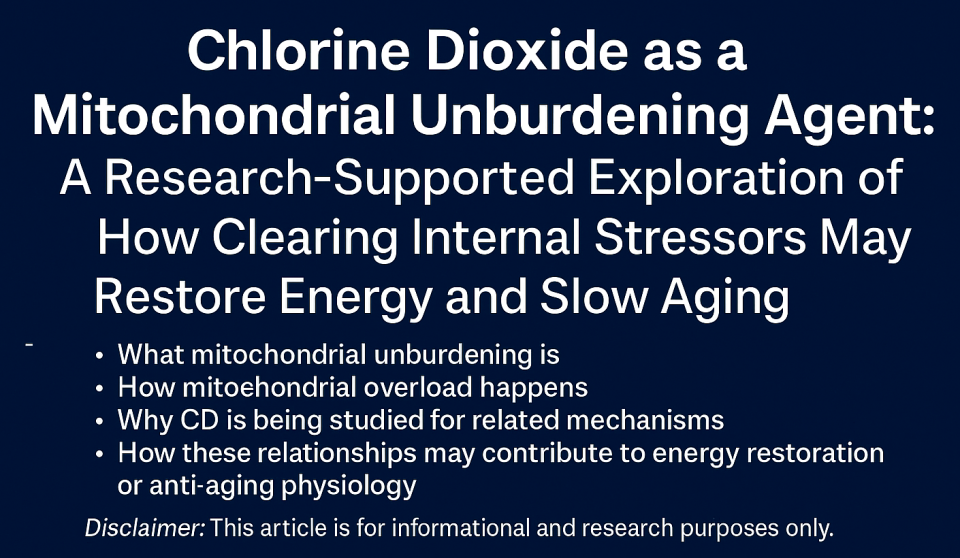
Mitochondria are the power generators of the human body. They produce ATP, the molecule that fuels every cell. When mitochondria become overwhelmed by pathogens, toxins, biofilms, inflammation, and metabolic waste, their output drops dramatically. This leads to low energy, accelerated aging, and reduced resilience.
While chlorine dioxide (CD) is not a mitochondrial drug or therapy, a growing body of research suggests that reducing microbial burden and breaking down biofilms, two well-documented actions of chlorine dioxide, may indirectly support mitochondrial function.
What Is Mitochondrial Unburdening?
Mitochondrial unburdening is the process of reducing internal stressors, particularly microbial and inflammatory stress, that interfere with mitochondrial ATP production.
Research shows that:
pathogens generate toxins that damage mitochondria
Many researchers start with low diluted amounts taken slowly throughout the day.
Drink More Water
Cellular waste removal depends on hydration.
Add Magnesium
Magnesium is essential for ATP production.
Use Gentle Movement
Walking, stretching, sauna, or rebounding increases oxygen use and lymph flow.
Track Energy Levels
Improvements often appear gradually as microbial overload decreases.
Disclaimer
This article is for informational and research purposes only and does not diagnose, treat, or prevent any disease. Chlorine dioxide is not approved for internal use by regulatory agencies. Seek professional guidance before making health decisions.
1. Is Chlorine Dioxide Effective Against Fleas and Their Eggs?
Yes — chlorine dioxide (ClO₂) has been shown to be effective against a broad range of small parasites, insects, and pathogens through oxidation, not poisoning. It destroys microorganisms and small parasites by oxidizing their outer membranes and proteins, effectively killing them or rendering them unable to reproduce.
Fleas and their eggs are particularly resilient because:
Eggs are often hidden in carpet fibers, bedding, or fur.
Larvae and pupae stages are resistant to many topical chemicals.
Chlorine dioxide can kill adult fleas and larvae on contact, but its ability to penetrate eggs depends on concentration and exposure time.
In practice, it has been reported to reduce infestations dramatically when used correctly.
2. Using Chlorine Dioxide for Pets (Cats and Dogs)
It’s very important to use proper dilution and application methods.
Veterinarians or natural practitioners familiar with chlorine dioxide recommend using very mild concentrations.
Topical Use
For cats or dogs:
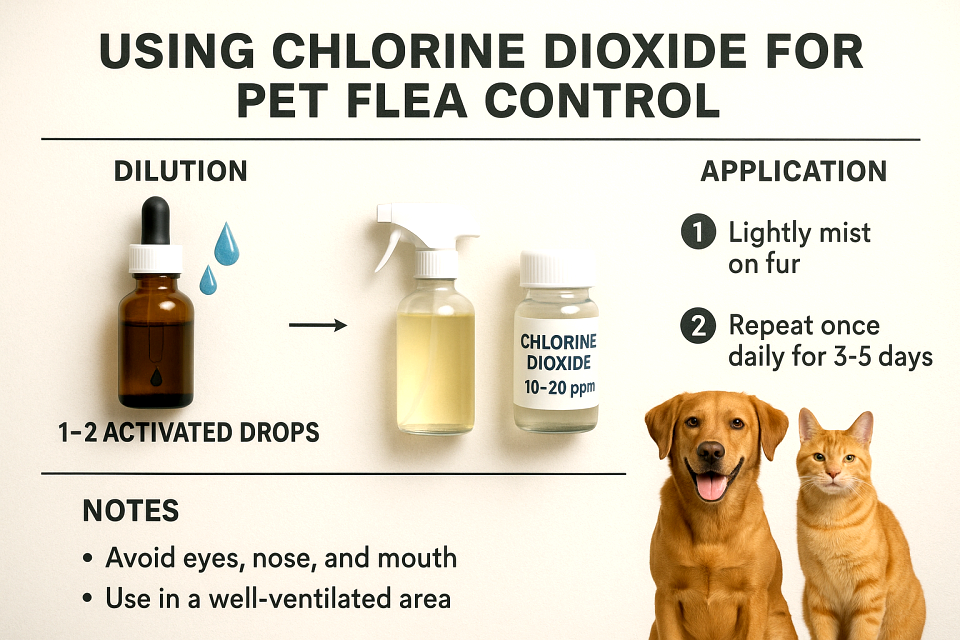
Mix: 1–2 activated drops of chlorine dioxide (MMS or CDS equivalent ~10–20 ppm) in 1 cup (250 ml) of distilled water.
Application: Lightly mist on fur or wipe the coat with a damp cloth.
Avoid the eyes, nose, and mouth.
Focus around the neck, tail base, and belly (favorite flea areas).
Frequency: Once daily for 3–5 days, then once weekly for prevention.
Many pet owners report that fleas fall off or die within minutes. The oxidation is brief, and because chlorine dioxide breaks down into salt and oxygen, there’s no lasting residue.
Oral (Internal) Support
For detox or immune balance:
Add a trace amount (one drop of activated chlorine dioxide in 1 quart of water) to drinking water.
Allow pets to drink freely.
This helps cleanse the bloodstream and may repel parasites naturally.
Note: Cats are more sensitive than dogs. Always start very low (half-drop equivalent per quart). Never give concentrated solutions orally.
3. Using Chlorine Dioxide for Humans Against Fleas
Humans can safely use low-dose topical chlorine dioxide solutions for external pests.
Topical Skin Application
Mix 1 activated drop per 4 oz (120 ml) of distilled water.
Use a spray bottle or a damp cloth to wipe legs, arms, and ankles (areas fleas bite).
Let air dry — the faint chlorine smell will dissipate quickly.
Some people also report benefits by:
Adding 2–4 activated drops into a bath of warm water (about 10 gallons) for a 10–15 minute soak, to calm itching and kill any residual fleas or eggs on the skin.
This also helps with bacterial skin irritation caused by flea bites.
4. Using Chlorine Dioxide Around the Home
This is where chlorine dioxide really shines. It can be used to disinfect surfaces, carpets, and bedding, killing fleas, larvae, bacteria, and odors all at once.
Household Spray
Mix 10 activated drops per quart (liter) of distilled water (around 100 ppm).
Spray lightly on:
Carpets
Pet bedding
Upholstery
Under furniture
Let it dry naturally (ClO₂ breaks down into salt and oxygen).
Mop or Wash Additive
Add 10–15 drops of activated to a gallon of mop water.
Wash floors or fabrics where pets rest.
Repeat every few days until no fleas are observed.
Chlorine dioxide also helps neutralize odors and molds, a bonus benefit.
5. What About Ticks?
Ticks are tougher than fleas, with thicker shells and stronger attachment mechanisms.
Chlorine dioxide can kill ticks on contact, but works best before attachment or shortly after removal.
For Ticks:
Apply a few drops of 10–20 ppm solution directly on the tick.
Wait 30–60 seconds — the tick will weaken and can be removed easily.
Clean the bite area with 1–2 activated drops in a tablespoon of water to disinfect.
Many people who live in tick-heavy areas also spray their socks, shoes, and pant legs with a light mist of chlorine dioxide before going outdoors.
6. How It Works (Simplified Chemistry)
Chlorine dioxide doesn’t poison pests — it oxidizes them:
It steals electrons from cell membranes, proteins, or parasites’ outer coatings.
This reaction neutralizes bacteria, viruses, and small parasites instantly, without leaving toxic residue.
It reverts to salt (NaCl) and oxygen (O₂) — safe end products.
This makes it one of the cleanest pest control agents when used correctly.
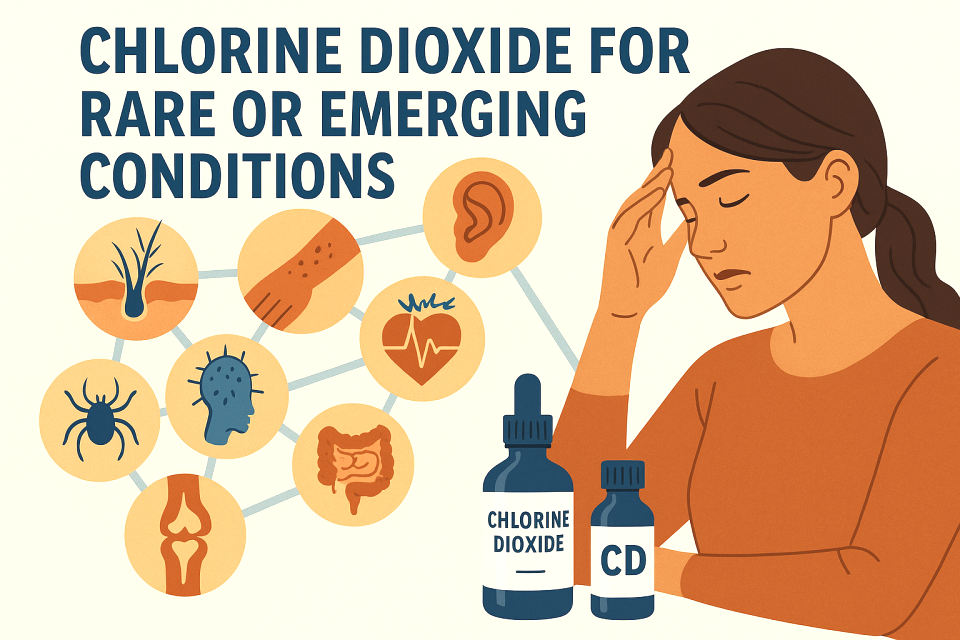
Some illnesses are so rare or newly emerging that even the medical establishment struggles to define, diagnose, or treat them effectively. Many people suffering from these conditions experience frustration when traditional medicine offers few answers beyond symptom management. Chlorine dioxide, known for its ability to oxidize and neutralize pathogens, toxins, and biofilm layers, has been used by individuals worldwide exploring non-pharmaceutical routes to health restoration.
Let’s explore ten lesser-known or misunderstood conditions and how chlorine dioxide may offer hope for improvement by addressing root causes like microbial imbalance, heavy metal toxicity, and systemic inflammation.
Morgellons Disease
Description: Morgellons is a controversial skin condition where sufferers experience fibers, threads, or granules emerging from the skin, often accompanied by crawling sensations.
Symptoms: Itching, sores, fatigue, brain fog, muscle pain, and a sensation of parasites beneath the skin.
Chlorine Dioxide’s Role: Chlorine dioxide may help by oxidizing fungal, bacterial, and parasitic elements that contribute to skin lesions and sensations. It also breaks down biofilm that can harbor pathogens in the skin.
How to Use:
Internally: Follow the Standard Starting Protocol (1 activated drop in 4 oz of water hourly for 8 hours).
Topically: Apply a diluted solution directly to the skin or mix into a mild lotion base. Allow to air dry.
Externally (Baths): Add 5–10 activated drops to bath water to calm skin and reduce itching.
Fifth’s Disease (Erythema Infectiosum)
Description: Caused by human parvovirus B19, this viral illness mainly affects children but can also impact adults.
Symptoms: Bright red rash on the cheeks (“slapped cheek” appearance), joint pain, fatigue, and mild fever.
Chlorine Dioxide’s Role: Because chlorine dioxide neutralizes viral particles and enhances blood oxygenation, it may assist the body in clearing viral load faster and reducing inflammation.
How to Use:
Internally: Use Protocol 1000 (3 activated drops per hour in 4 oz water, 8 hours daily, for 3 weeks).
Topically: Use a weak solution (5 ppm) as a compress for rash areas.
Supplement: Drink purified water and maintain mineral balance (magnesium, potassium).
Meniere’s Syndrome
Description: A disorder of the inner ear causing vertigo, hearing loss, and ringing (tinnitus). Thought to result from fluid imbalance or autoimmune reactions.
Symptoms: Severe dizziness, nausea, loss of balance, tinnitus, ear fullness.
Chlorine Dioxide’s Role: By reducing viral or microbial inflammation in the inner ear and supporting improved microcirculation and oxygenation, chlorine dioxide may help restore balance and hearing function.
How to Use:
Internally: Protocol 1000 for 2–3 weeks.
Externally: A warm compress with diluted solution (10 ppm) behind the ear may calm inflammation.
Support: Stay hydrated and reduce sodium intake to prevent fluid retention.
Reactive Arthritis (Reiter’s Syndrome)
Description: An autoimmune reaction following infection in the urinary tract, intestines, or genitals.
Symptoms: Joint pain, eye inflammation, and urinary discomfort.
Chlorine Dioxide’s Role: Since this condition often follows bacterial infection, chlorine dioxide may support by neutralizing residual pathogens and reducing immune hyper-reactivity. How to Use:
Internally: Begin with Protocol 1000, progressing to Protocol 2000 if symptoms persist (6–10 drops hourly, 8 hours daily).
Externally: Use compresses or DMSO-based application on painful joints for targeted relief.
POTS (Postural Orthostatic Tachycardia Syndrome)
Description: A disorder of the autonomic nervous system causing heart rate spikes when standing up. Linked to viral infections, inflammation, or autoimmune response.
Chlorine Dioxide’s Role: May aid by improving blood oxygenation, reducing viral residues, and enhancing mitochondrial energy production, leading to improved circulation and nerve stability.
How to Use:
Internally: Standard Protocol 1000; add CDS water (50 ppm) throughout the day.
Transdermal: Apply 10 ppm solution to wrists and ankles to support microcirculation.
Support: Maintain high water and electrolyte intake.
Ehlers-Danlos Syndrome (EDS)
Description: A group of genetic connective tissue disorders leading to hypermobility, fragile skin, and easy bruising.
Chlorine Dioxide’s Role: While not curative for genetic conditions, it may reduce systemic oxidative stress, improve circulation, and enhance tissue oxygen levels to promote collagen repair and reduce inflammation.
How to Use:
Internally: Low-dose maintenance use (1–2 drops in 8 oz water, twice daily).
Externally: Gentle 10 ppm topical applications on wounds to promote clean healing.
Complex Regional Pain Syndrome (CRPS)
Description: A chronic pain condition often following an injury, believed to be caused by nerve dysfunction and inflammation.
Symptoms: Burning pain, skin color changes, swelling, temperature sensitivity, and stiffness.
Chlorine Dioxide’s Role: By oxidizing inflammatory mediators and improving oxygen delivery, chlorine dioxide may help normalize nerve communication and reduce swelling.
How to Use:
Internally: Protocol 1000 for systemic inflammation.
Externally: Mix DMSO and 10 ppm chlorine dioxide (1:1 ratio) and apply to the affected area for 10 minutes twice daily.
Bath Therapy: Add 10–15 drops to warm water for full-body relaxation.
Auto-Brewery Syndrome
Description: A rare condition where yeast in the gut ferments carbohydrates into alcohol, leading to intoxication without drinking.
Symptoms: Fatigue, dizziness, mood swings, confusion, smell of alcohol on breath, and brain fog.
Chlorine Dioxide’s Role: Chlorine dioxide has powerful antifungal properties, helping to neutralize Candida and gut yeast responsible for internal alcohol production.
How to Use:
Internally: Protocol 1000; optionally include Protocol 115 (enema) to cleanse lower intestinal yeast.
Diet: Avoid sugar and refined carbs during the cleansing phase.
Maintenance: After symptoms subside, continue 1–2 drops twice daily for prevention.
Alpha-Gal Syndrome
Description: An allergic reaction to red meat caused by a tick bite transferring the alpha-gal molecule into the human body.
Symptoms: Hives, stomach pain, fatigue, swelling, and anaphylaxis hours after eating red meat.
Chlorine Dioxide’s Role: Helps by oxidizing allergenic compounds and improving detoxification pathways in the liver and blood.
How to Use:
Internally: Protocol 1000 for 3 weeks; repeat monthly if symptoms recur.
Externally: Use topical 10 ppm solution for hives or allergic skin reactions.
Support: Maintain antihistamine-rich foods (like quercetin and vitamin C).
Stiff Person Syndrome
Description: A rare neurological disorder with progressive muscle stiffness and spasms, often autoimmune in nature.
Symptoms: Muscle rigidity, painful spasms, anxiety, and reduced mobility.
Chlorine Dioxide’s Role: May support by reducing autoimmune inflammation and oxidizing toxins that disrupt nerve transmission. Enhanced oxygenation may help relax muscle fibers and improve energy levels.
How to Use:
Internally: Gradual Protocol 1000 progression; if tolerated, shift to Protocol 2000 for 2–4 weeks.
Topically: Use warm compresses with 10 ppm solution on stiff areas.
Support: Add magnesium and potassium supplements to prevent muscle cramping.
Chlorine dioxide acts as a selective oxidizer, targeting pathogens, toxins, and biofilm layers while leaving healthy tissue intact. It helps the body by:
Breaking down biofilm, allowing detox pathways to clear
Improving oxygenation and red blood cell efficiency
Modulating immune system activity
Supporting detoxification and energy metabolism
These combined effects may explain why people with rare or misunderstood illnesses, conditions often involving chronic infection, immune dysfunction, and toxicity, report improvements with responsible chlorine dioxide use.
Rare and emerging conditions often leave patients feeling helpless, unseen, and misunderstood. Many of these illnesses involve chronic infection, inflammation, and environmental toxicity, which chlorine dioxide may help mitigate through its natural oxidizing and purifying actions. While it is only approved for water purification, those who have experimented with chlorine dioxide often report that it supports their body’s ability to restore balance and vitality, even in the face of conditions modern medicine has yet to fully explain.
References
Humble, Jim. The Master Mineral Solution of the 21st Century
Rowland, Wayne. Silver Water Colloidal: Rejuvenation Through Natural Purity
Paris Humble. Healthy Alternative Chlorine Dioxide Uses: Non-Pharmacological Health Restoration
U.S. Environmental Protection Agency (EPA). Chlorine Dioxide Use in Water Purification
Klenner, F.R. Clinical Guide to the Use of Vitamin C and Oxidative Therapies
Chlorine dioxide, long recognized as a water purifier and industrial disinfectant, is increasingly being discussed within alternative health communities for its broad-spectrum antimicrobial and detoxifying potential. Though officially approved only for water purification, many independent users and practitioners report success using chlorine dioxide (CD) and MMS (Master Mineral Solution) in self-directed, non-medical applications—particularly concerning the kidneys, bladder, and reproductive organs.
Below are examples of reported cases and plausible mechanisms where chlorine dioxide may positively impact urological and reproductive health.
Urinary Tract Infections (UTI)
Problem:
UTIs are most commonly caused by E. coli bacteria colonizing the urinary tract, leading to burning urination, frequent urges, and lower abdominal discomfort.
How Chlorine Dioxide May Help:
Chlorine dioxide is a selective oxidizer that targets and deactivates pathogenic microorganisms, including bacteria, viruses, and fungi, without damaging healthy tissue. When used as a diluted solution externally or in oral rinses (for systemic absorption), users report rapid reduction in infection symptoms.
Suggested Use:
For non-medical purposes, some users consume a highly diluted CD solution (e.g., 1–2 activated drops per hour in water) following Jim Humble’s Protocol 1000 for mild infections, alongside adequate hydration and rest. Paris Humble says, for topical application using MMS spray: Men may apply one full spray directly into the opening of the penis, and women may apply one full spray into the urethral opening. Men and women can spray up to five times daily.
Supporting Information:
Studies show chlorine dioxide effectively kills E. coli and other bacteria at low concentrations in water treatment systems, suggesting a plausible mechanism for reducing microbial load in the urinary tract.
Kidney Stones
Problem:
Kidney stones are crystallized minerals—often calcium oxalate—that cause severe pain when passing through the urinary tract.
How Chlorine Dioxide May Help:
While chlorine dioxide doesn’t dissolve stones directly, it may help by supporting overall detoxification, oxygenation, and maintaining a clean internal environment that discourages bacterial infection and inflammation—factors linked to stone formation.
Suggested Use:
Users often pair oral chlorine dioxide, three activated drops per hour (Protocol 1000), with topical chlorine dioxide/DMSO spray rubbed into the surface area. Paris Humble suggests supporting the process by drinking three daily infusions made from fresh leaves of the stonebreaker plant (Lepidium latiodium). Alternatively, magnesium oxide may be used to provide additional therapeutic support.
Supporting Information:
Chlorine dioxide’s oxidation process may assist in reducing metabolic waste and biofilm buildup, thereby lowering conditions favorable for stone recurrence.
Prostatitis
Problem:
Prostatitis, an inflammation of the prostate gland, may stem from bacterial infection, chemical irritation, or immune dysfunction. Symptoms include pain, frequent urination, and sexual discomfort.
How Chlorine Dioxide May Help:
Chlorine dioxide may help eliminate bacterial presence and oxidative stress in the prostate region. Its oxygen-releasing properties could enhance cellular recovery and immune response.
Suggested Use:
Some users apply chlorine dioxide topically to the lower abdomen or perineal area while following a slow hourly oral regimen for systemic support. Continue until symptoms disappear, returning you to your vibrant health status.
Supporting Information:
Anecdotal reports suggest reduced swelling and pain within days of consistent use. The oxidative effect helps clear microbial overgrowth often embedded in prostate tissue biofilms.
Infertility
Problem:
Infertility in men and women can result from infection, hormonal imbalance, or toxicity in reproductive tissues.
How Chlorine Dioxide May Help:
By reducing microbial interference, detoxifying metals, and oxygenating reproductive cells, chlorine dioxide may indirectly improve sperm motility and egg viability. It also appears to reduce chronic low-grade infections that inhibit conception.
Suggested Use:
A cautious low-dose oral CD protocol combined with mineral and antioxidant support is commonly reported.
Supporting Information:
Animal studies show improved fertility outcomes when oxidative antimicrobial agents are used to control infection-related infertility.
Bacterial Vaginitis (BV)
Problem:
BV occurs when harmful bacteria outnumber beneficial lactobacilli, leading to odor, discharge, and irritation.
How Chlorine Dioxide May Help:
Topical application of diluted chlorine dioxide solution may rebalance vaginal flora by neutralizing harmful anaerobic bacteria without harming beneficial species.
Suggested Use:
Externally rinsing with a mild CD solution or using it in a sitz bath has been reported to offer relief. Internal use is not medically approved, though many self-directed users report success when used carefully.
Supporting Information:
Scientific data confirms chlorine dioxide’s strong antibacterial efficacy against anaerobes like Gardnerella vaginalis—a known BV pathogen.
Erectile Dysfunction (ED)
Problem:
ED can arise from poor circulation, inflammation, or chronic infection within the urogenital tract.
How Chlorine Dioxide May Help:
Improved blood oxygenation and reduced inflammation from chlorine dioxide’s oxidative properties may enhance vascular performance. Detoxification and improved nitric oxide balance may also restore natural erectile response.
Suggested Use:
Users often report benefits from hourly low-dose oral use combined with lifestyle changes and mineral-rich hydration.
Supporting Information:
While no formal clinical studies exist, testimonials suggest improved vitality and energy consistent with reduced microbial load and enhanced systemic oxygenation.
HIV/AIDS
Problem:
HIV attacks immune cells, leading to immune deficiency and vulnerability to secondary infections.
How Chlorine Dioxide May Help:
CD is known to neutralize viruses by oxidative denaturation. Though not recognized as a medical treatment, some independent clinical trials and field reports (notably from Uganda and Bolivia) showed significant viral load reduction and improved patient well-being.
Suggested Use:
Jim Humble’s Protocol 1000 (three activated drops per hour for 8 to 10 hours per day) for three weeks or until symptoms subside, then resume a six-drop-per-day maintenance regimen—emphasis on gradual introduction and continuous low-dose exposure.
Supporting Information:
Oxidation may interfere with viral replication by damaging viral envelopes and denaturing proteins critical for infectivity.
Candida (Yeast Infection)
Problem:
Candida albicans overgrowth leads to itching, discharge, fatigue, and systemic imbalance.
How Chlorine Dioxide May Help:
Chlorine dioxide oxidizes fungal cell walls, effectively neutralizing candida colonies in the gut, mouth, or genital area.
Suggested Use:
Low-dose oral solution or external rinses (for genital yeast infections) are widely discussed among natural alternative specialists and holistic practitioners.
Supporting Information:
Laboratory studies confirm chlorine dioxide’s ability to eliminate yeast biofilms, which are often resistant to antifungal drugs.
Chlamydia
Problem:
A common sexually transmitted infection caused by Chlamydia trachomatis, which can cause infertility and chronic pain.
How Chlorine Dioxide May Help:
As a potent oxidant, chlorine dioxide disrupts the cell membranes of intracellular bacteria, such as Chlamydia, thereby helping the immune system clear the infection.
Suggested Use:
Individuals report improvement using oral chlorine dioxide regimens and topical cleansing protocols.
Supporting Information:
Similar oxidative agents are used in laboratory settings to deactivate Chlamydia organisms without harming host tissue.
Herpes (HSV-1 & HSV-2)
Problem:
Herpes simplex virus causes painful sores and remains dormant in nerve cells, causing recurring outbreaks.
How Chlorine Dioxide May Help:
Chlorine dioxide’s oxidative power can denature viral proteins, possibly reducing outbreak frequency and viral load. Topical application of very dilute solutions to affected areas has been reported to reduce healing time.
Suggested Use:
Paris Humble suggests starting with one activated drop or less to build up gradually to three activated drops of chlorine dioxide per hour for 8 to 10 hours a day. Then, conduct the Mold/Fungus Protocol using bentonite clay to clear the healing pathway. Continue as needed until symptoms resolve and your body reestablishes its renewed state of health. Some apply a mild external CD solution with a clean cotton pad during an outbreak, while others use oral regimens for ongoing immune support.
Supporting Information:
Oxidative therapy research shows similar mechanisms for ozone and hydrogen peroxide therapies—suggesting a comparable benefit from chlorine dioxide use.
Chlorine dioxide works through selective oxidation, meaning it targets pathogens with a negative charge or high electron density—such as bacteria, viruses, and fungi—while leaving healthy, oxygen-rich cells untouched. It neutralizes toxins and biofilms, reduces inflammation, and enhances oxygen delivery at the cellular level.
This mechanism may explain the growing number of user-reported improvements in chronic infections and inflammation within the urinary and reproductive systems.
Disclaimer
Chlorine dioxide is officially approved only for water purification and is not recognized by medical authorities for internal or topical use in humans. The information presented here is for educational purposes only and reflects reported user experiences, scientific hypotheses, and independent researcher observations. Anyone pursuing off-label use does so at their own discretion.
References
Lubbers, J. R., Chauan, S., & Bianchine, J. R. (1981). The effects of chlorine dioxide, chlorite, and chlorate on selected biological systems. Environmental Health Perspectives, 46, 57–62.
Gordon, G., & Rosenblatt, D. H. (2005). Chlorine dioxide: The current state of the art. Ozone: Science & Engineering, 27(3), 203–207.
Noszticzius, Z. et al. (2013). Chlorine dioxide is a size-selective antimicrobial agent. PLOS ONE, 8(11): e79157.
Humble, J. (2016). The Master Mineral Solution of the Third Millennium. MMS Publishing.
McGrath, J., & Hirt, R. (2019). Oxidative therapies and the immune system. Journal of Integrative Medicine, 17(4), 234–242.
Deguillaume, L. et al. (2009). Chemical properties and antimicrobial action of chlorine dioxide. Applied Microbiology and Biotechnology, 82(2), 221–229.
Kross, R. D. (2017). Chlorine dioxide in human health applications. Frontier Research Reports.
Humble, P. (2022), Healthy Alternative Chlorine Dioxide Uses Non-pharmacological Health Restoration
Jim Humble Foundation (2021). Field Reports on Chlorine Dioxide Use in Africa and South America.
I never imagined that something as silent as high blood pressure could cause so much struggle in my daily life. At first, it was nothing more than headaches and a feeling of pressure behind my eyes. But soon I began to notice I was tired all the time, even after a full night’s rest. Simple things like walking to the mailbox left me short of breath. Worst of all was the constant worry, wondering if the pounding in my head meant a heart attack or a stroke was just around the corner. It’s a constant struggle, yet quiet, but it takes over your life in ways that outsiders can’t always see.
Understanding High Blood Pressure
High blood pressure, also called hypertension, begins when the force of blood pushing against the artery walls is consistently too high. At first, many people don’t feel any symptoms at all; that’s why it’s often called “the silent killer.” But over time, signs begin to show:
Persistent headaches
Shortness of breath
Fatigue
Nosebleeds
Irregular heartbeat
Chest pain
As the condition progresses, it strains the heart and damages the arteries. Left unchecked, it increases the risk of heart attack, stroke, kidney damage, and vision problems.
The Burden on Loved Ones
I remember talking to a friend, Doug, who struggled with hypertension for years. He often said the worst part wasn’t just his health, it was how the condition affected his family. “I feel like a burden,” he told me. “My wife worries constantly. My kids hesitate to ask me for help because they think I’ll get too tired. I don’t want my illness to limit their lives.” That frustration, the feeling of dragging others down, often weighs heavier on patients than the physical symptoms themselves.
What Modern Medicine Offers
Conventional medicine provides medications to lower blood pressure, such as diuretics, beta-blockers, ACE inhibitors, and calcium channel blockers. These drugs manage symptoms, but they don’t address the root cause. Doctors will usually say there is no cure, only lifelong management.
Natural Alternatives for High Blood Pressure
Yet millions of people worldwide are discovering another reality: alternative and natural methods that don’t just reduce blood pressure, but over time, can restore balance to the body so that the whole problem disappears. These approaches are rarely endorsed by mainstream medicine because medical schools are funded by pharmaceutical corporations. Doctors are trained to prescribe drugs, not herbs, lifestyle strategies, or natural healing.
Still, nature has always offered tools for recovery. There are some herbs and natural aids that many have found helpful:
Garlic – Known to relax blood vessels and improve circulation. Often taken raw or in capsules.
Hawthorn Berry – Strengthens the heart muscle and regulates heartbeat. Can be consumed as tea or tincture.
Cleanses pathogens and toxins that burden circulation, restores arterial balance.
Protocol 1000: 3 activated drops in 4 oz water, every hour for up to 8 hours per day, for 2–3 weeks. Adjust dose as needed.
Jim Humble’s Chlorine Dioxide Method
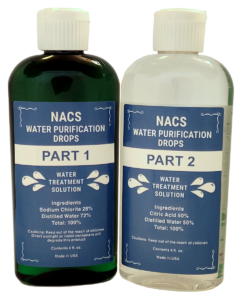
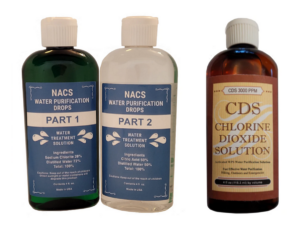
One of the most remarkable alternative approaches has come from Jim Humble, who developed a method using chlorine dioxide water purification drops. While originally discovered as a way to disinfect water in the wilderness, countless people have reported profound health benefits from careful use inside the body. According to Jim Humble’s materials, the protocol for hypertension is simple: small, diluted doses of chlorine dioxide are taken throughout the day, giving the body constant support to cleanse pathogens and toxins. Over time, the blood vessels relax, circulation improves, and blood pressure normalizes.
Hundreds of thousands of people have shared testimonials of eliminating hypertension altogether with this approach. While mainstream medicine dismisses these results, many Natural Alternative Specialists are now quietly including chlorine dioxide water purification drops in their practices, and the results speak for themselves.
His experience with millions of people led him to outline step-by-step methods for various conditions, including high blood pressure.
Here’s how he would generally suggest approaching hypertension, based on his published protocols:
Start Small
Mix 1 activated drop of MMS (sodium chlorite with an acid activator like citric acid or hydrochloric acid) in a small glass of water.
Drink this diluted mixture slowly.
Do this once per hour for a few hours to test tolerance.
Build Up Slowly
If no nausea or discomfort occurs, gradually increase to 2–3 activated drops per dose.
The key is low dose, repeated often rather than large single doses.
Hourly Support (Protocol 1000)
Many with hypertension benefit from what Jim Humble called Protocol 1000:
Take 3 activated drops in 4 oz of water once per hour, up to 8 hours per day.
Continue daily for 3 weeks.
Observe the Body
As the body begins cleansing, some may feel mild detox reactions (tiredness, loose bowels, nausea).
If this happens, reduce the dosage until comfortable, then gradually increase again.
Lifestyle Support
Jim Humble always stressed combining MMS/CDS with healthy habits: clean water, whole foods, rest, and avoiding toxic substances.
The goal is not just symptom relief but to restore balance in the bloodstream and arteries.
Completion
After 2–3 weeks on Protocol 1000, many people report normal blood pressure readings and no further symptoms.
At that point, maintenance may mean only occasional use if needed.
Jim Humble emphasized that this method works not by suppressing symptoms but by removing what causes the imbalance in the first place: microbes, toxins, and hidden pathogens that burden the circulatory system.
Humble’s discovery was simple but profound: a tiny amount of chlorine dioxide (CDS or MMS when prepared from drops) could safely purify drinking water and, when carefully used in diluted amounts, could also support the body in cleansing harmful pathogens.
To sum it up, high blood pressure is often described as a life sentence; a chronic condition you must “manage” until the end of your days. But for those willing to look beyond the limitations of the pharmaceutical model, hope is abundant. Herbs from nature, dietary shifts, lifestyle changes, and the groundbreaking work of Jim Humble with chlorine dioxide show that hypertension does not have to be permanent. Healing is possible.
The journey starts by questioning the belief that you are destined to be a patient forever. Instead, you can choose to be a participant in your own healing; a choice that opens the door to freedom, health, and a future where high blood pressure no longer defines your life.